

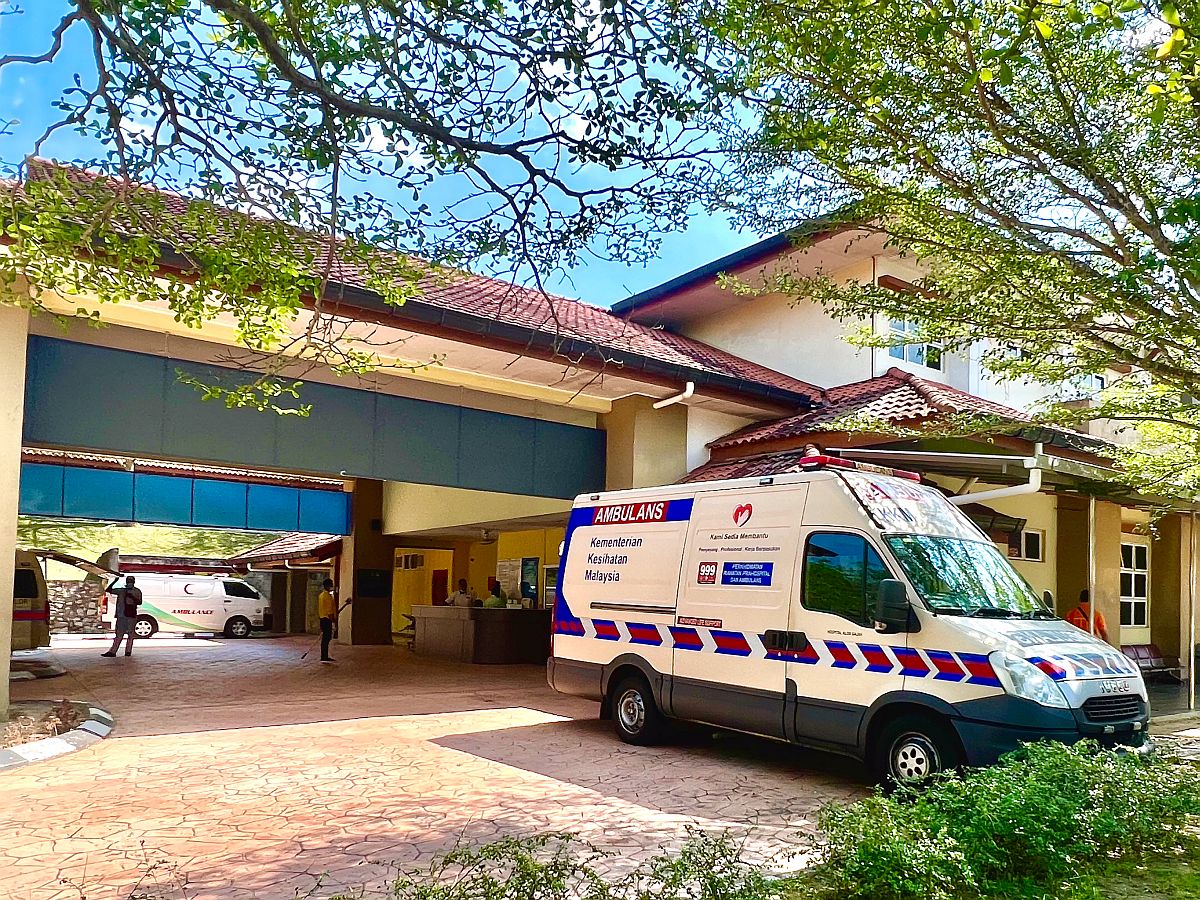
I’ve been glued to the recent discussions on national health insurance (NHI), mostly because it hits close to home for me personally.
I have friends living in countries with NHI. Health care is almost something you don’t have to think about. For someone like me who’s spent thousands of hours in government hospital waiting rooms, that’s hard to imagine.
First accompanying my maternal grandmother, years ago. Now, my mother. Private care has always been out of reach for them.
So we did what most Malaysian families in our position do: we queued. Compared to years ago, the queue is getting much longer, waits are longer, and it’s more crowded. Same system, worse every year. Clearly this is unsustainable, a bubble that’s ever ready to pop.
So when I first read about NHI, it immediately felt like the solution we’d needed all along. But the more I’ve read since, the more concerns I have, not about NHI itself, but about the state and maturity of our health care system, and more importantly, our people.
NHI is clearly a good idea for many Malaysians, my mother included. The question that lingers is whether we, as a country, are actually ready for it.
Who’s Going To Pay For It?
My main concern is funding, and two recent episodes offer some hard lessons.
First option: the government pays, through new taxes or by cutting other expenditure. The GST episode years ago showed clearly that new taxes get met with stiff resistance, and cutting expenditure, especially finally touching the ballooning fuel subsidy bill, is basically political suicide.
Yes, we want better health care. But we also very clearly want to keep paying less for fuel and less in taxes. We can’t consistently have both.
Second option: make it mandatory, deducted straight from employees’ payslips. That’s clearly not going to fly either.
SOCSO’s LINDUNG 24 Jam scheme asked for just 0.75 per cent, for a benefit people directly stand to gain from, but the backlash was loud enough that the government backed down and made it optional.
Notice the pattern. Same story, told twice. Malaysians tend to say no to a near-term cost, even a small one, even for a future benefit that helps us directly.
This isn’t a funding gap. It’s a mindset gap. I’ll admit I’m disappointed by that, but I also get that a lot of us are just trying to survive day to day.
Even so, I don’t think we can keep making that choice and then act surprised when the queue keeps compounding.
Would It Even Fix The Queue?
There’s another concern, and it might matter even more: are our hospitals actually ready to handle the extra load?
NHI, after all, is a financing method. It doesn’t build a new hospital or hire a single new doctor out of thin air.
It wouldn’t have shortened a single one of the queues I’ve sat in with my mother, those queues exist because there aren’t enough hands and beds to go around, not because nobody’s paying.
So Where Does That Leave Us?
NHI might still be the right destination. But the clear path forward right now isn’t NHI, Malaysia currently has neither the money nor the political appetite to build it. What we need instead are two things.
Firstly, we need to push, loudly and specifically, for a bigger share of the government’s budget to go toward actually building capacity, more beds, more doctors, more hospitals. That’s where our energy should go, especially leading up to Budget 2027.
Secondly, we need to make it commercially sensible for private hospitals to move toward lower-income patients. There should be more room for something in between those who can afford high-end private care and those who have to rely on public care. Get the numbers right, create the demand and let the free market do the rest.
Neither of these sound as ambitious as NHI. But perhaps that is precisely what we need at this stage.
Both of these only bear fruit in the long run, which is exactly why they keep losing out to whatever feels urgent this year.
Until that changes, until we’re actually willing, as a country, to pay a little now for something we won’t feel the benefit of for years, no financing model, NHI included, is going to have the room it needs to work.
My mother, my generation, and those who come after us deserve better than a queue that just keeps getting longer while we wait for the perfect answer to arrive.
The author is a CodeBlue reader from Melaka, with decades of firsthand experience navigating Malaysia’s public health care system through his family members.
- This is the personal opinion of the writer or publication and does not necessarily represent the views of CodeBlue.


