

Malaysia’s public health care system is currently grappling with a well-documented shortage of medical officers and nurses.
But outside the sprawling campuses of government hospitals, another quiet crisis is playing out in the hundreds of private and NGO-run hemodialysis centres across the country.
Driven by soaring national rates of diabetes and hypertension, the prevalence of End-Stage Renal Disease (ESRD) in Malaysia has skyrocketed.
Because Ministry of Health (MOH) facilities simply cannot absorb this massive demand, standalone private and charitable centres have become the backbone of our renal care system.
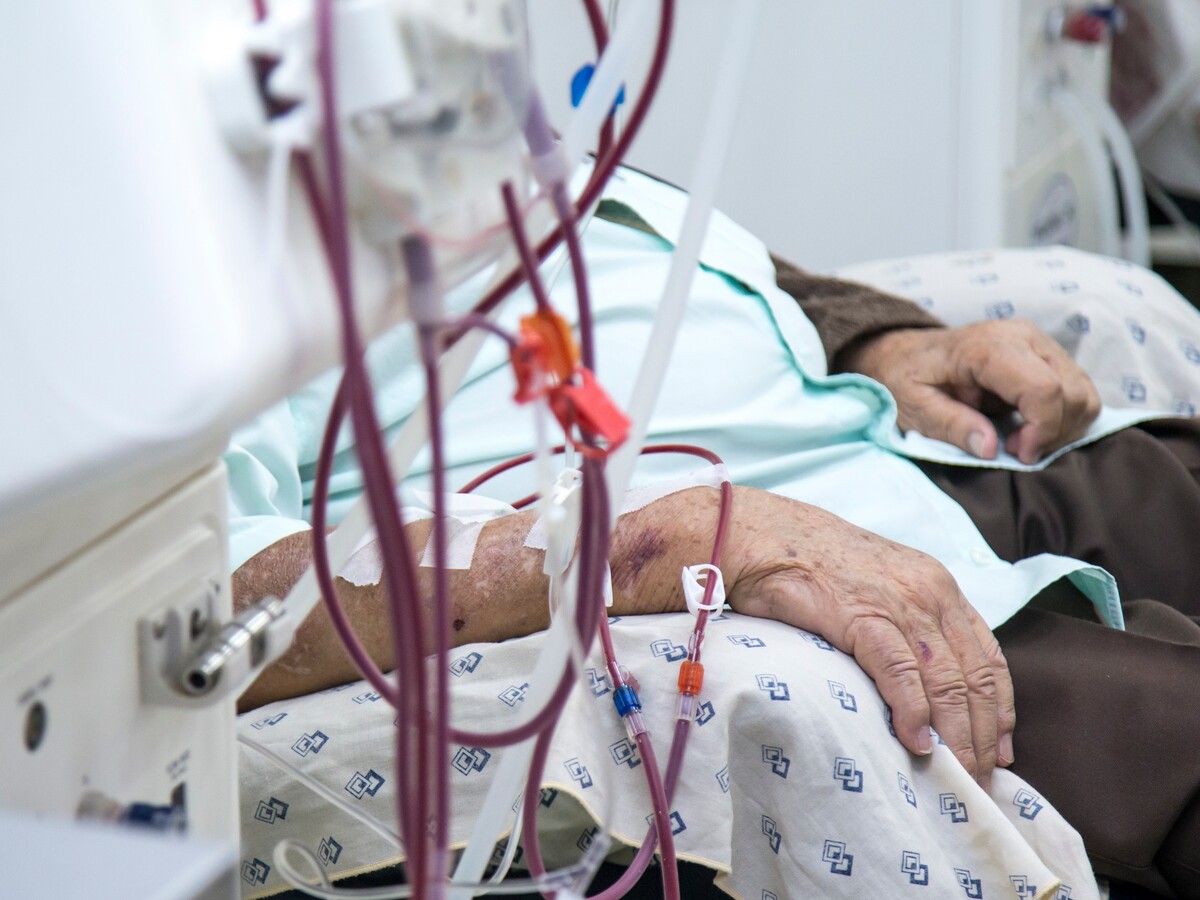
Yet, the nurses staffing these units carry a unique and heavy burden. To the untrained eye, a dialysis centre looks like a calm environment patient resting in recliners, watching television or sleeping while machines hum quietly.
But beneath this routine exterior, these clinics are high-acuity environments where life-and-death emergencies can unfold in seconds.
When Routine Becomes Critical
When a patient experiences cardiopulmonary arrest a code blue mid-dialysis, it is not a standard resuscitation. It is a highly complex, perilous medical emergency that highlights exactly why the specialised training of these nurses is a matter of life and death.
Standard Advanced Cardiovascular Life Support (ACLS) algorithms are not enough. If a patient codes, the renal nurse must simultaneously manage the patient, the specialised vascular access, and the dialysis machine itself.
They must know to immediately halt the blood pump and abandon the blood in the extracorporeal circuit, as delaying chest compressions to return a small volume of blood is detrimental.
Furthermore, vascular access in renal patients presents a terrifying clinical trap. If a nurse uses a patient’s tunneled central venous catheter (a Permcath) to push emergency resuscitation drugs, they must first remember to aspirate both ports.
These lines are “locked” with high concentrations of heparin between sessions. Failing to aspirate means pushing a massive, systemic heparin bolus directly into the heart of a coding patient during compressions.
Then there is the underlying cause. In the ESRD population, the most likely trigger for cardiac arrest is severe hyperkalemia (dangerously high potassium).
Reversing this requires a precise, rapid-fire cocktail of intravenous calcium, insulin, dextrose, and sodium bicarbonate to stabilise the heart and shift potassium out of the bloodstream.
Executing this flawless sequence while performing CPR in a standalone clinic requires immense clinical competence that is currently under immense strain.
The Weight Of Act 586 And The Manpower Crisis
The Ministry of Health is well aware of these risks. Under the Private Healthcare Facilities and Services Act 1998 (Act 586), the Medical Practice Control Section (CKAPS) enforces strict regulations on private dialysis centres.
A mandated percentage of the staff must hold specialised post-basic qualifications in renal nursing, and clinics must maintain meticulously audited crash carts and defibrillators.
From a patient safety perspective, Act 586 is entirely justified. The clinical realities of a code blue prove why we cannot compromise on these standards. However, from a manpower perspective, it is creating an unsustainable pressure cooker.
Malaysia is suffering from a severe nursing brain drain. Post-basic renal nurses are highly sought after globally, often leaving for better pay and working conditions in Singapore or the Middle East.
The specialised nurses who remain in Malaysia’s private and NGO sectors are stretched dangerously thin. They are forced to shoulder the heavy clinical responsibility of keeping high-risk patients alive while simultaneously bearing the regulatory weight of keeping their clinics compliant with CKAPS.
The Systemic Gap In Post-Resuscitation Care
The burden does not end if the resuscitation is successful. Standalone private dialysis centres are not equipped for post-resuscitation intensive care.
If Return of Spontaneous Circulation (ROSC) is achieved, the patient remains critically unstable and requires immediate transfer to a tertiary hospital.
Here, the private and public systems violently collide. The clinic nurses must scramble to coordinate emergency transport, often waiting anxiously for ambulance services, while managing a patient whose kidneys cannot clear the potent resuscitative drugs just pumped into their body.
Upon arrival at a government hospital, these patients add to the already overwhelming demand for ICU beds and Continuous Renal Replacement Therapy (CRRT).
A Call For Recognition And Support
We frequently applaud the frontliners in our public hospitals, but it is time we recognise the specialised nurses manning our private and NGO dialysis centres.
They are holding the line against Malaysia’s kidney disease epidemic, managing intensive care level emergencies in outpatient settings.
Strict regulations like Act 586 are necessary to save lives, but regulations alone cannot sustain a health care system. We need aggressive, systemic interventions to train, retain, and fairly compensate post-basic specialised nurses.
If we continue to ignore the manpower crisis in this critical sector, the silent burden carried by these nurses will eventually break the lifeline that thousands of Malaysian patients depend on.
Noor Hanita Zaini (PhD) and Noor Hasliza Che Seman (PhD) are lecturers at the Faculty of Nursing, University of Malaya.
- This is the personal opinion of the writer or publication and does not necessarily represent the views of CodeBlue.


