

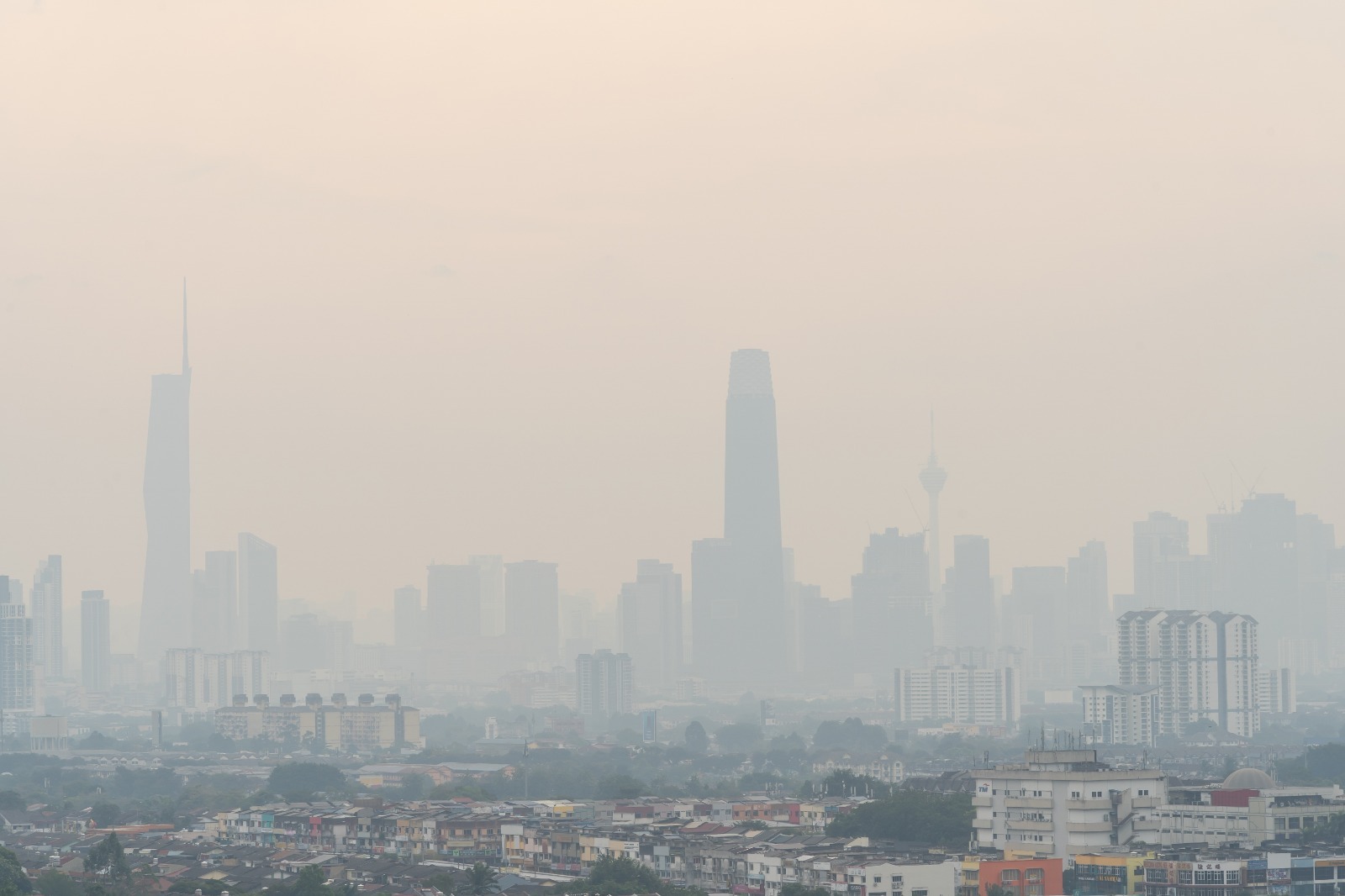
KUALA LUMPUR, August 27 — The Malaysian Pharmacists Society (MPS), Sarawak Pharmaceutical Society, and Sabah Pharmaceutical Society are urging Malaysians to take greater care of their health as transboundary haze continues to affect the country, with Sarawak currently bearing the greatest impact.
Air quality in several parts of Sarawak has reached unhealthy and, at times, very unhealthy levels. Schools have been closed in affected areas, while smoke from fires in Kalimantan continues to move across the border.
The situation may change from day to day depending on wind, weather, and fire activity. Malaysians should therefore continue to monitor official Air Pollutant Index (API) readings, even in areas where the haze may appear less severe.
Protect Those Most At Risk
Haze affects everyone, but some people are more vulnerable to poor air quality. Extra care should be taken by children, older persons, pregnant women, people with asthma or chronic obstructive pulmonary disease (COPD), those with cardiovascular or other chronic conditions, and people who work or spend long periods outdoors.
When air quality worsens, the public should reduce unnecessary outdoor exposure and strenuous outdoor activity. Those who need protection from fine particles should use an appropriate respirator such as an N95 and ensure that it is worn correctly.
Patients with chronic conditions should continue taking their regular medicines as prescribed and make sure they have an adequate supply.
Pharmacists Are Ready To Help
Community pharmacists are among the most accessible health care professionals in Malaysia and are at the heart of communities across the country.
During the haze, community pharmacists can help the public do the following:
- Understand how to reduce exposure.
- Choose and correctly use appropriate respiratory protection.
- Manage minor haze-related symptoms through responsible self-care.
- Continue taking chronic medicines correctly.
- Review inhaler technique and medicine adherence for asthma and COPD.
- Recognise when symptoms are worsening.
- Determine when further medical attention is needed.
People with asthma, COPD, and other respiratory conditions should not wait until their symptoms become severe before seeking advice.
Difficulty breathing, worsening shortness of breath, chest pain, significant worsening of an existing condition or other severe symptoms require prompt medical attention.
A Role Recognised Globally
The role of pharmacists in responding to air pollution is also recognised by the International Pharmaceutical Federation (FIP).
In its Call To Action: Mobilising Pharmacists Across Our Communities To Mitigate the Impact Of Air Pollution On Health directive, FIP has called for stronger integration of community pharmacists into respiratory health care
It has identified pharmacist roles such as health education, inhaler technique optimisation, disease management, and appropriate referral.
Community Pharmacists At The Heart Of The Community
“Haze is not new to Malaysia, but we should never become complacent about its impact on health. What matters now is what we can do to protect the people,” said Amrahi Buang, president of the MPS.
“Community pharmacists are among the most accessible health care professionals in Malaysia. We are there in our communities every day to provide advice, support self-care, help patients manage their medicines, and recognise when further medical attention is needed.”
“Sarawak is feeling the impact of the haze now. Schools have already been closed in affected areas and many people cannot simply avoid going outdoors or remain in air-conditioned environments throughout the day,” said Ngu Soon Hieng, president of the Sarawak Pharmaceutical Society.
“Our concern is especially for children, older persons and people with respiratory or other chronic conditions. Take precautions early, keep your medicines available, and speak to your community pharmacist if you are concerned about your health.”
“Sabah may not be experiencing the same conditions as Sarawak at the moment, but the situation can change with wind and weather patterns. We should be prepared rather than wait for air quality to worsen,” said Hiew Chui Li, president of the Sabah Pharmaceutical Society.
“Check the API regularly, reduce unnecessary exposure and seek advice if you are unsure about your medicines, inhalers or respiratory protection. Your community pharmacist is there to help.”
Community Pharmacies Should Be Prepared
The three societies have also called on community pharmacists, particularly those practising in areas affected by haze, to be ready for increased demand for advice and care.
Community pharmacists should proactively support vulnerable patients, reinforce correct medicine use, check inhaler technique where appropriate, provide evidence-based advice on respiratory protection, and refer patients for further medical care when necessary.
The three societies support continued efforts by the government and Asean countries to address transboundary haze and its underlying causes.
While these wider efforts continue, there are actions every Malaysian can take today:
- Check the API.
- Reduce unnecessary exposure.
- Keep chronic conditions under control.
- When in doubt, speak to your pharmacist.
This press statement was jointly issued by the Malaysian Pharmacists Society, Sarawak Pharmaceutical Society, and Sabah Pharmaceutical Society.


