

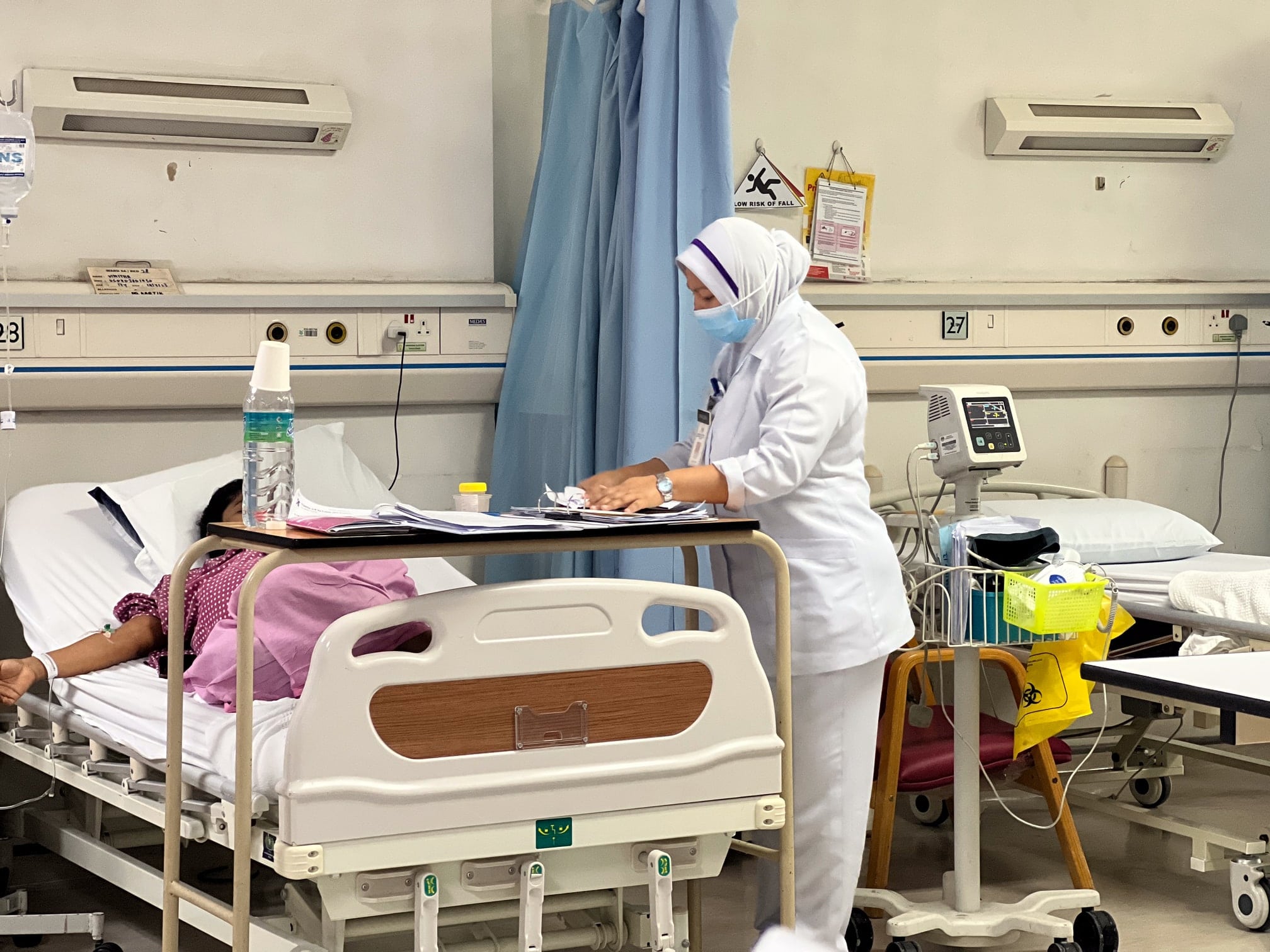
KUALA LUMPUR, July 17 — Night shifts and double-shift duty are among factors contributing to burnout among nurses and assistant medical officers in the Ministry of Health (MOH), according to a National Institutes of Health (NIH) study.
Health Minister Dzulkefly Ahmad said the study also identified traumatic workplace incidents and workplace conflict as contributing factors.
“Based on a study conducted by the National Institutes of Health among nurses and assistant medical officers in MOH, factors contributing to burnout include working night shifts, working double-shift duty, experiencing traumatic incidents at the workplace, as well as conflict at the workplace,” Dzulkefly said in a written Dewan Rakyat reply on July 8.
He was responding to Jasin MP Zulkifli Ismail, who asked about measures to address a reported rise in burnout or severe fatigue among frontline health workers and the ministry’s welfare plans for personnel.
Dzulkefly said MOH was seeking to increase health worker recruitment to address workload and the need for double shifts.
The ministry is working with the Public Services Commission (SPA) to fill vacancies, expanding the recruitment of nurses and radiographers from among graduates not sponsored by MOH, and approaching final semester medical and nursing students at local institutions with conditional offers or invitations.
Retired officers are also being reappointed on contract, while sessional appointments are being used to support service delivery at facilities in need.
Dzulkefly said the government created 8,686 permanent positions for medical, dental and pharmacy officers from 2022 to 2025, with another 1,500 medical officer positions added in 2026.
The government has also created 800 medical specialist and 70 dental specialist positions annually since 2023.
MOH is additionally implementing digitalisation and automation initiatives to ease health workers’ workload, including the rollout of electronic medical records through the Cloud-Based Clinic Management System (CCMS).
Dzulkefly said the system had improved operational efficiency and data governance, while reducing reliance on manual records.
The health minister said MOH had also developed a holistic intervention plan to provide mental health and psychosocial support to health workers, particularly medical officers and nurses.
Measures include emotional support and early mental health intervention through the HEAL 15555 crisis helpline, expanded access to counselling, mental health screening through the KOSPEN WOW workplace programme, and digital mental health services via MyMinda.
Mental health and psychosocial support teams at state, district and hospital levels also identify health workers who may require early psychological assistance or psychological first aid.
Mental health and psychological counselling services are currently available at 1,103 health clinics, 70 hospitals and 38 Mental Health Community Centres (MENTARI) nationwide.
MOH also runs Kintsukuroi to help medical officers and other hospital health workers build resilience and coping skills, as well as the House Officer Encouragement and Reassurance Through Sharing and Support (HEARTS) programme for house officers.
“MOH is concerned and continues to provide support for the well-being of health care workers. A healthy workforce is the main pillar in providing the best health care services to patients,” Dzulkefly said.


