

KUALA LUMPUR, June 19 — More than 1,000 aged care homes are believed to be operating without licences in Malaysia, raising concerns about oversight and safety standards as the country faces a rapidly ageing population and declining fertility rates.
Rashidi Yahaya, group chief executive officer of Seterra Group and chairman of Kendana, the National Caregiver Council, said Malaysia currently has only 441 registered aged care homes under the Care Centres Act 1993 and 28 licensed nursing homes.
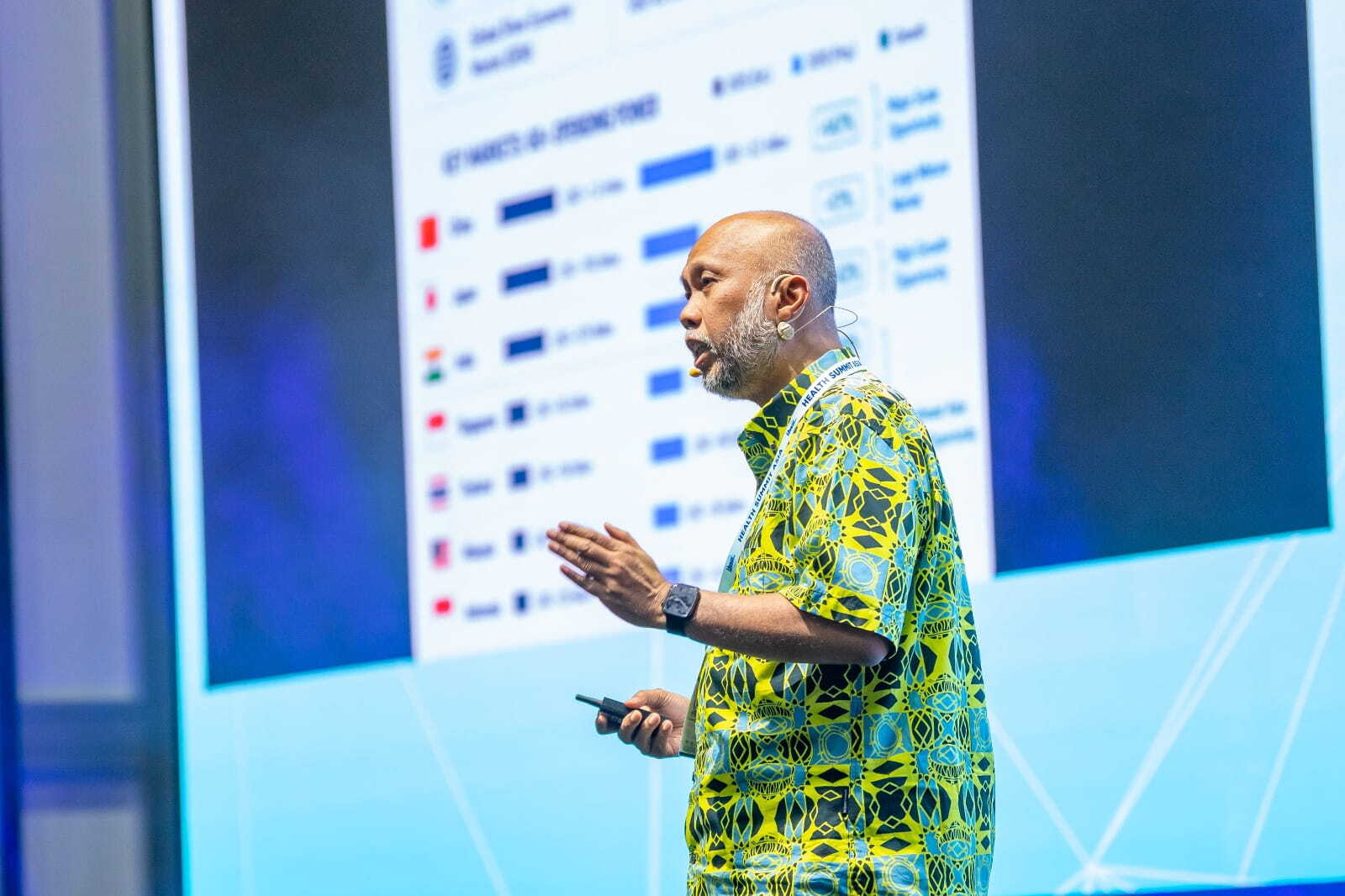
“Nursing homes require Private Medical Practice Control Section (CKAPS) by the Ministry of Health. But if you want to open your care centre or care homes, you just comply with the Care Centres Act. But there are about 1,000 plus operating without a license,” Rashidi said at Health Summit Asia 2026 here last May 21.
Rashidi cited Petaling Jaya as an example of the scale of the issue.
“So I’ll take PJ, for example. PJ today has about 226 aged care homes from Section 1 all the way to Section 7, 8, 9. And if you look at the national number, only 400 plus are registered.
“So you’ll be thinking whether some of them have registration or not. Of course there are issues behind getting a license to operate and so forth. But this is something that happens when there’s no governance, so you have to be very careful when sending your elders – you have to double check on this,” Rashidi said.
His remarks come as Malaysia grapples with falling birth rates and shrinking family sizes that are expected to increase demand for formal elder care services.
Malaysia’s ageing challenge is compounded by falling birth rates and shrinking family sizes.
According to the Department of Statistics Malaysia, the country’s total fertility rate declined from 1.7 children per woman in 2023 to 1.6 in 2024, well below the replacement level of 2.1 children per woman – the rate needed for a population to replace itself from one generation to the next in the absence of migration.
The number of live births also fell from 421,270 in 2023 to 414,918 in 2024, continuing a long-term demographic trend towards lower fertility and an older population.
Rashidi said economic pressures and changing family structures are making it harder for adult children to care for ageing parents at home.
At the same time, many Malaysians approaching retirement are already considering care and retirement facilities for their own future needs.
“My wife and I are already looking at retirement facilities. I told my wife we can sell this and that so that we can afford this.
“Currently, there are those who cannot afford the RM8,000 to RM9,000 a month that they are offering now. It looks like a resort, like a hotel and so forth,” Rashidi said.
“I did my math, looked at my EPF savings, right? Maybe I will last three months, you know, that’s about it. So we are looking at the long term. You have to add another 15 to 20 years.
“So say for example, we retire at say 55 or even 60. You have to add on another 20 years to that and your money needs to work plus 20 or plus 15 years. So this will be the challenge.”
Rashidi warned that affordability could become a major barrier to accessing quality long-term care, particularly as Malaysians live longer and require support over extended periods in retirement.
He said stronger governance and regulation of the care sector would be critical to ensure safe, accessible, and sustainable services for older persons as demand for institutional and community-based care continues to grow.
Rashidi previously said the government was studying a national long-term care insurance framework targeted for 2030, including whether funding should come from mandatory contributions, a dedicated fund, taxation, or a combination of mechanisms.
He said the proposed scheme aims to reduce out-of-pocket spending on long-term care and may be piloted among civil servants as early as next year.


