

The Ministry of Health’s (MOH) recent admission that only 53 per cent of house officer (HO) slots nationwide are filled is a sobering confirmation of what those of us in the field have long feared.
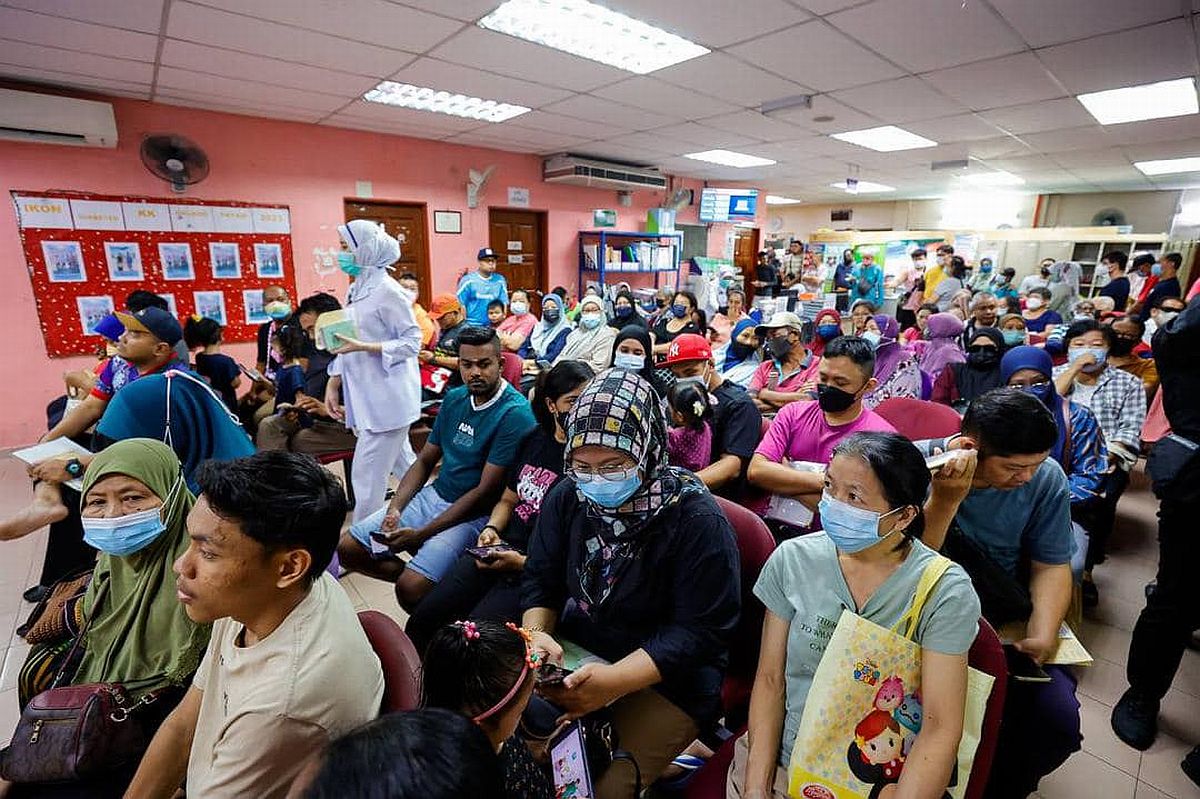
While the HO drought cripples major training hospitals, its ripple effect is creating a far more dangerous phenomenon in the remote corners of Malaysia: the total operational collapse of rural health clinics (klinik kesihatan).
From the interiors of Sabah and Sarawak to the rural stretches of the East Coast, we are witnessing a system that is no longer just “strained”, but breaking.
In these regions, we are the primary emergency units and maternity centers for communities hours away from the nearest hospital.
As the national supply of doctors thins, rural facilities are moving past increased workloads into the territory of service cessation.
The Public Health Fallout: Beyond The Waiting Room
In public health, the rural clinic is the frontline for preventive medicine. When a clinic loses 50 per cent of its doctors, the damage isn’t just felt in long queues; it is felt in the silent erosion of population health indicators.
Maternal and Child Health (MCH) at Risk: Rural clinics handle high-risk pregnancies that require close monitoring. When a doctor is too exhausted to catch a subtle sign of pre-eclampsia or when clinics are forced to reduce antenatal appointments, we risk a regression in our national Maternal Mortality Rate (MMR).
The Non-Communicable Disease (NCD) Time Bomb: In rural Malaysia, the prevalence of undiagnosed hypertension and diabetes is disproportionately high. When doctors are pulled from screening programmes to cover acute emergencies, these chronic conditions remain silent killers until they present as strokes or kidney failures, further straining the very hospitals that are already understaffed.
The “53 Per Cent Reality”: With only half the required HOs in the system, medical officers are effectively being “demoted” to housemen duties in hospitals, cutting off the supply chain to rural clinics. The result is a total paralysis of preventive care.
Displacement Of Crisis
The current mobilisation strategy, i.e. borrowing doctors from neighbouring facilities, is a mere stopgap. In reality, it is the displacement of a crisis.
By pulling a doctor from one understaffed clinic to save another, the system simply creates a new hole elsewhere.
This “robbing Peter to pay Paul” approach has exhausted the medical fraternity, leading to a surge in resignations that further thins the line of defense.
Three National Steps For Urgent Intervention
Health authorities must acknowledge this as a systemic operational emergency:
Transparent Deficit Mapping: A real-time, public assessment of manpower gaps, acknowledging that a 50 per cent vacancy in a rural clinic is as critical as a 50 per cent vacancy in an urban or rural hospital due to the lack of private sector alternatives.
Immediate KPI Suspension: Allowing clinics in manpower crises to focus exclusively on acute patient care and high-risk MCH screenings, suspending non-critical administrative reporting and targets.
A Rural Emergency Workforce: Creating a dedicated, heavily incentivised float team at the state or national level to be deployed immediately to facilities facing sudden staff depletion, ensuring that primary preventive care does not stop.
We remain committed to our rural communities, but patriotism cannot be used as a substitute for a functioning workforce.
If the walls of this last line of defence continue to crack under the weight of a 53% filled system, the public health cost will be measured in years of lost life and preventable deaths.
We must act before “closed early” becomes the epitaph of rural health care.
The author is a government doctor at a rural health clinic in Malaysia. CodeBlue is providing the author anonymity because civil servants are prohibited from writing to the press.
- This is the personal opinion of the writer or publication and does not necessarily represent the views of CodeBlue.


