

As a medical doctor and an assurance professional, I see no conflict in examining the issues of health assurance. Both are about businesses that capitalise on public needs.
In this relationship, both parties are doing business and claim that they are in it to serve the people. This is far from the truth. Both are in for the profits.
The Malaysian health assurance industry is an unhealthy downward spiral business. It is a costly business. To protect policyholders’ interests, regulators impose requirements that require companies to set aside a significant amount of capital.
This is a highly regulated business where business owners are surrounded by hospitals that behave like vultures, seeing it as an easy meal for them to hunt. Their fees are self-regulated. They are not answerable to anyone in determining their prices. Their boards expect revenue and profit growth annually.
Between capital regulation and operative regulation, and the unprofessional conduct of private hospitals, policyholders expect for their premium to unchanged forever. Is this realistic? Is this fair?
Policyholders need to understand that the insurance company’s business role lies in managing the contributions (premiums) kept in a health pool. If there is no annual surplus from the pool, insurers do not earn any income.
Policyholders need to understand that laws in Malaysia (and many other countries) do not allow funds from one pool to be combined or subsidised with funds from another pool. Cross-subsidisation between funds for different products is simply not allowed. This is part of financial prudence enforced upon assurance companies worldwide.
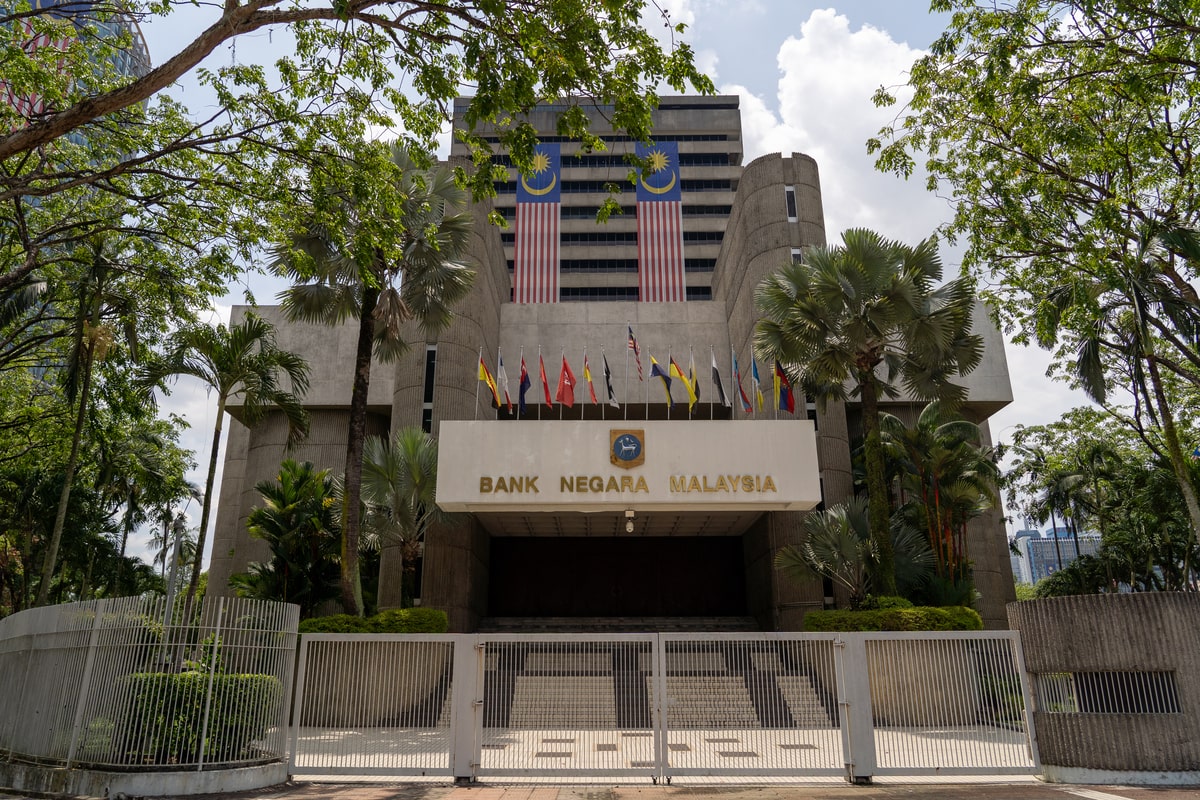
Until the bleeding point (hospitals’ uncontrolled charging) is cauterised, premium contribution cannot be stabilised. Bank Negara Malaysia is expected to introduce new measures to address public concerns in coming days. This is worrying as it may have a greater cost impact on assurers.
The solution is very clear.
Assurers that cannot maintain a sustainable Health Contribution Fund and have continued deficits should consider exiting the health business. If many players exit, then the public will put pressure on the private hospitals.
Those who choose to stay need to change the way they do business, failing which, they will face the same fate. In the end, there is no one left, and policyholders may have to rely on their bank accounts and credit cards.
Assurers’ options are limited under the current circumstances. Policyholders need to play their part in ensuring hospitals do not take advantage. Assurers do not have a foolproof mechanism. Only policyholders can improve the situation.
If this is not done, the future is clear. Assurers have no option but to stop selling health products. Consortium-led products may or may not help if the pricing is not right.
Dr Mohamed Rafick Khan is a trained physician with 12 years of experience in military medical services and over 22 years of experience in the assurance industry. He retired as the CEO of a multinational reinsurance company in 2019 and remains active as an independent international assurance industry consultant.
- This is the personal opinion of the writer or publication and does not necessarily represent the views of CodeBlue.


