

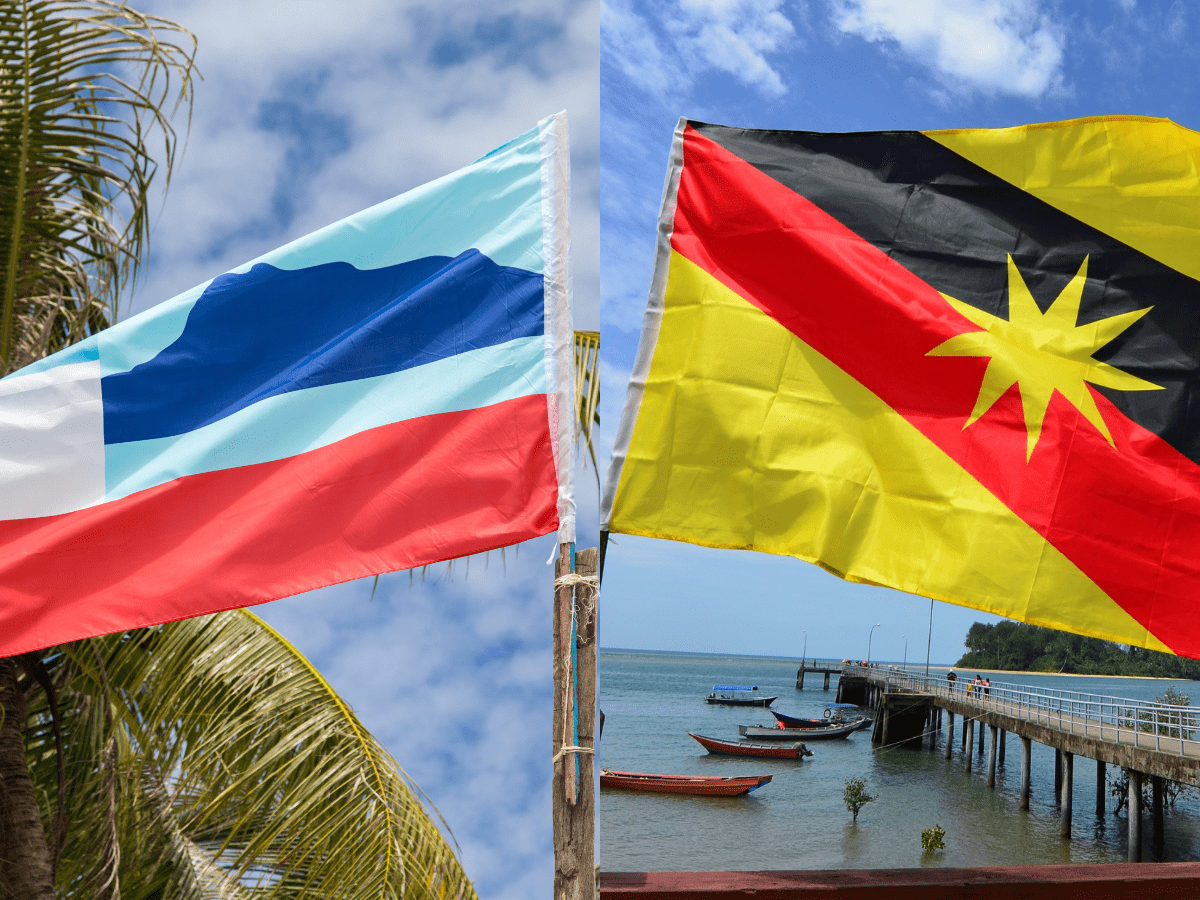
The Malaysian Medical Association (MMA) views with deep concern the recent Parliamentary reply that defines the Bayaran Insentif Wilayah (BIW) as merely a “privilege” and not a recognition of service.
This response is disheartening for the thousands of doctors who have dedicated the best years of their lives to serve the country, beginning with five to six years of medical school, followed by two gruelling years as house officers, and subsequent compulsory service, often in remote or underserved regions.
Doctors posted to Sabah, Sarawak, and Labuan face real challenges: relocation costs, separation from families, limited access to specialist support, under-resourced environments and complex patient needs.
The BIW allowance has always functioned not as a handout, but as a practical and fair incentive for public service in these regions. To reframe it as a “non-entitlement” undermines morale and fails to reflect the reality on the ground.
Based on MMA’s estimates, restoring the previous progressive BIW structure would cost approximately RM4.2 million annually — a modest figure when compared to the billions lost through inefficiencies and wastage in other areas of government spending.
Meanwhile, Singapore has projected the need for 15,000 additional healthcare professionals by 2030 and is moving aggressively to meet that target. An estimated 30 per cent of Malaysian medical graduates from recognised universities such as Universiti Malaya and Universiti Kebangsaan Malaysia have chosen to work in Singapore, attracted by better pay, clearer career pathways, and stronger institutional support.
While doctors cannot be compelled to stay, Malaysia must create conditions that encourage them to choose to serve here. Singapore’s approach shows the importance of treating the health care workforce as a strategic priority & asset, supported by coherent policies and targeted investment.
It is also important to recognise that the Ministry of Health (MOH) is constrained in this matter. Policy decisions related to remuneration are largely determined by central agencies such as the Public Service Department (JPA).
Unfortunately, this means the very ministry responsible for safeguarding national health often lacks control over the tools needed to support its workforce.
MMA respectfully urges the government to reconsider its current stance on BIW and to explore restoring a fair and meaningful incentive structure for doctors serving in Sabah, Sarawak, and Labuan.
We also call for stronger inter-ministerial collaboration to ensure that workforce policies reflect service realities. Empowering MOH with greater flexibility would help protect and strengthen our national healthcare system.
Doctors are not asking for special treatment. They are asking for recognition, fairness, and the means to serve effectively.
If we continue to neglect their needs, it is not just the doctors who suffer, it is the people they serve.
This statement was issued by MMA president Dr R. Arasu.
- This is the personal opinion of the writer or publication and does not necessarily represent the views of CodeBlue.


