

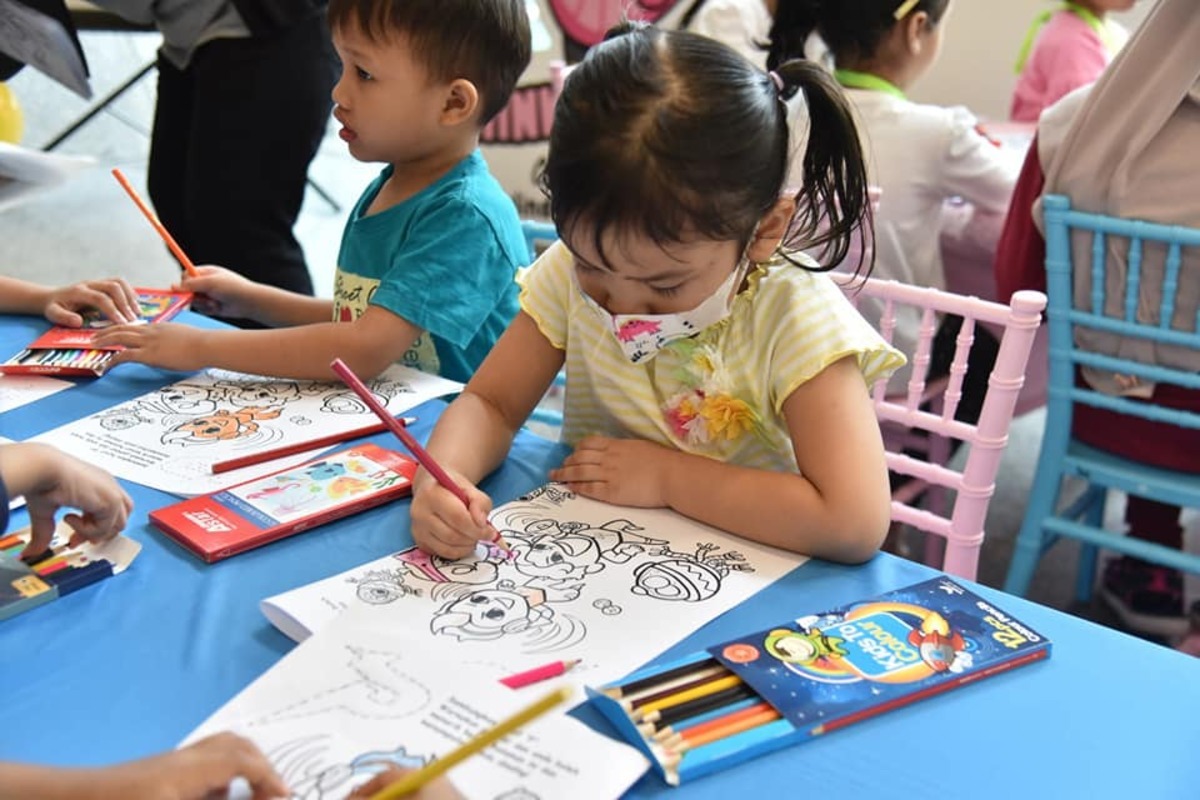
The recent announcement that six-year-olds may need to undergo diagnostic screening before entering Year One has triggered mixed reactions.
While the intention may be to ensure children are “ready” for formal schooling, the bigger question we need to ask is this: are we truly prepared for what comes after the screening, and at what cost to children and families?
Not every child needs to be diagnosed. In medicine and mental health, assessment and treatment are voluntary, guided by consent and the child’s best interests. Parents have the right to say yes or no.
Turning school entry into a process that resembles diagnosis risks crossing an ethical line. A five- or six-year-old is still developing rapidly. Emotional regulation, attention span, and learning readiness vary widely at this age. These differences are normal, not pathological.
There is also a very real equity issue. Children from families who can afford good preschools, enrichment classes, and early exposure to literacy will naturally perform better in readiness tests.
Meanwhile, many children — especially from lower-income or rural backgrounds — may not have had the same opportunities. Does that mean they are less capable, or simply less exposed?
Screening risks rewarding privilege rather than potential, and unintentionally creating a two-tier system from the very first year of schooling.
Then comes the uncomfortable but necessary question: what happens if a child is found “not ready”?
Do we have the systems in place to support them?
Malaysia already faces a severe shortage of specialists. We have only a few hundred clinical psychologists and child psychiatrists serving millions of children.
Most schools do not have psychologists, remedial educators, or structured intervention programmes. Teachers are doing their best, but many are not trained to identify or manage learning differences, neurodivergence, or early emotional difficulties.
Screening without intervention is not early help — it is early labelling.
As someone who has worked in a multidisciplinary clinical setting, I can say this honestly: much of what clinicians truly need to know about children is not learnt in classrooms or textbooks.
It is learnt through hands-on clinical work, supervision, and collaboration with experienced psychiatrists and allied health professionals.
Many lecturers themselves have limited clinical exposure. If professionals are still learning, how can the system suddenly scale up to screen an entire cohort of six-year-olds meaningfully?
Other Asian countries offer important lessons. Singapore, Japan, and South Korea do not use diagnostic screening to decide whether a child can start school. Instead, they focus on universal access to preschool and provide support after children enter school.
Singapore, for example, identifies learning difficulties early in Primary One and offers targeted learning support, without excluding children from entry. South Korea even abandoned plans to lower school entry age after parents and experts warned the system was not ready.
The message from these countries is clear: support first, screen second, and never exclude.
If Malaysia truly wants to help children thrive, our priorities should be different. We should be investing in affordable, high-quality preschool education for all.
We should be training teachers, recognising and upskilling clinical psychologists, and building multidisciplinary support within schools. Assessments should be used to guide help, not to decide who belongs and who doesn’t.
The real issue is not whether children develop at different speeds — we know they do. The issue is whether our education and mental health systems are ready to meet those differences with compassion, resources, and expertise.
Until we are, screening risks becoming a shortcut that places pressure on children, parents, and schools — without solving the deeper problem.
Educational reform should move at the pace of children’s development, not policy urgency. And above all, it must protect the rights of children to learn, to grow, and to be supported — without being labelled too early or left behind too soon.
Sitra Panirsheeluam is a psychologist at MindNexis Mental Health Centre.
- This is the personal opinion of the writer or publication and does not necessarily represent the views of CodeBlue.


