

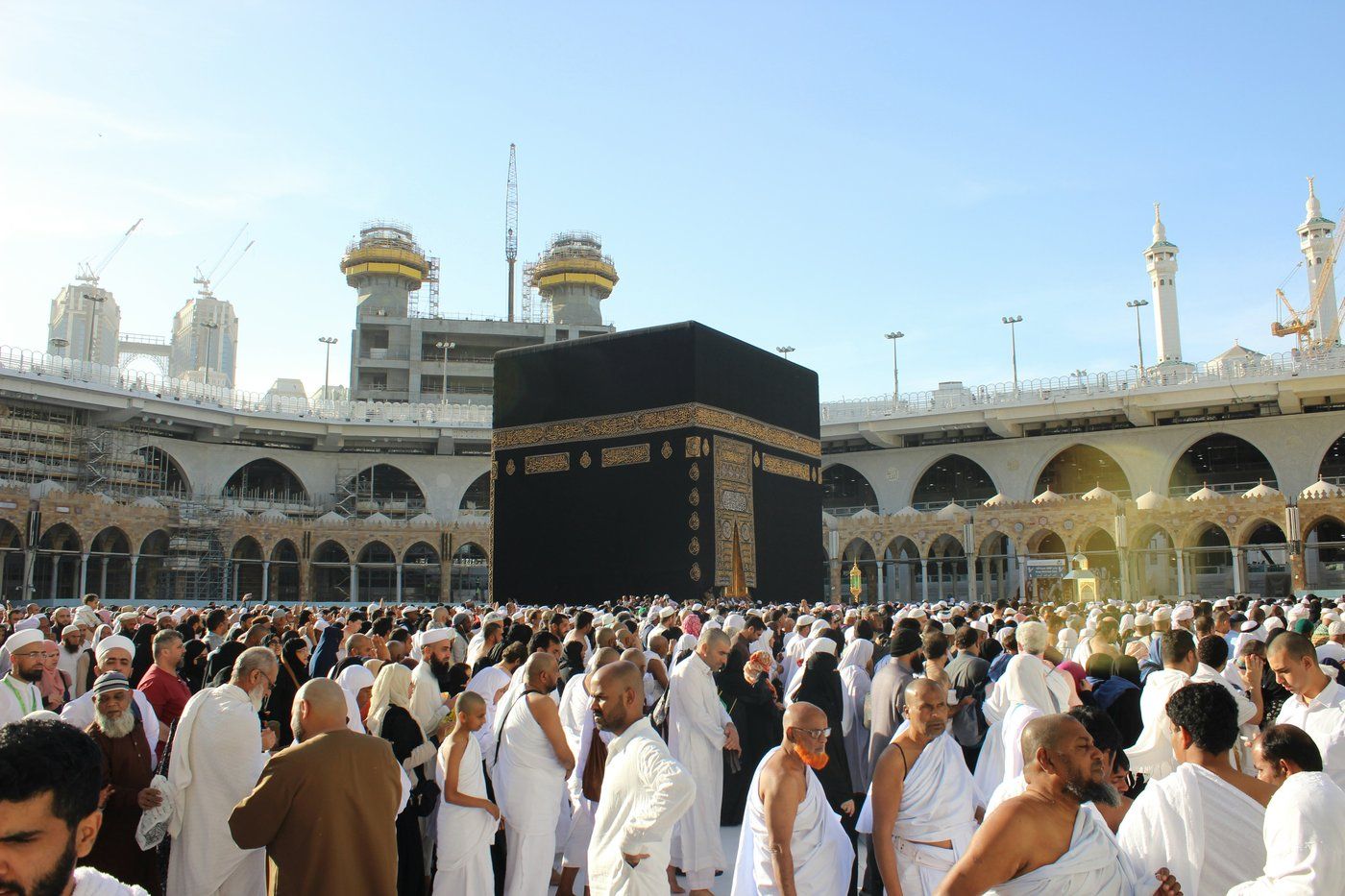
KUALA LUMPUR, Oct 22 — In a sweeping move that could bar thousands of Malaysians from performing the Hajj, Saudi Arabia has announced stringent new health requirements for the 1447H / 2026M pilgrimage season, effectively prohibiting people with a wide range of chronic diseases from obtaining a Hajj visa.
Lembaga Tabung Haji (TH) recently confirmed that it must enforce the Saudi Ministry of Hajj and Umrah’s new conditions, which require all prospective pilgrims to be “free from infectious, serious, or uncontrolled chronic diseases” and to be physically capable of performing the rituals “independently”.
Under the new rules, anyone diagnosed with the following medical conditions will be deemed ineligible for Hajj:
- Chronic kidney failure.
- Heart failure or serious heart disease.
- Chronic lung disease.
- Chronic liver disease.
- Neurological or mental disorders that impair cognitive or motor function.
- Elderly pilgrims with dementia or physical frailty.
- High-risk pregnancy.
- Active infectious diseases.
- Cancer currently under treatment.
TH group managing director and CEO Mustakim Mohamad said the new Saudi health regulations will be incorporated into TH’s existing medical screening framework, adding that the pilgrim board “always prioritises the safety, welfare, and comfort of Malaysian pilgrims”.
“Good health is a key requirement of istito‘ah (ability to perform Hajj) as emphasised by the resolutions of the National Hajj Muzakarah,” Mustakim said in a statement last Sunday. “As in previous years, prospective pilgrims must pass a medical examination conducted by the MOH.
“TH will continue to ensure the best possible health services for every Malaysian pilgrim. Pilgrims must also make adequate physical health preparations, as they will be in Saudi Arabia for an extended period and will face dusty environments and hot weather,” he added.
Health Is Now A Visa Condition
TH noted that all prospective pilgrims must undergo and pass a medical examination by the Ministry of Health (MOH) Malaysia before they are eligible to receive a Hajj offer – a prerequisite for the Saudi-issued Hajj visa under the new health requirements.
Previously, the medical examination was conducted internally by TH as part of Malaysia’s own istito‘ah (ability to perform Hajj) assessment to ensure that pilgrims were physically fit to perform the rituals and travel safely.
However, the results of these exams did not determine visa eligibility. They were primarily used by TH to plan medical services and screen for serious illnesses.
Under the 2026 rules, this screening now carries direct consequences. Pilgrims who fail to meet Saudi’s health criteria will not qualify for a Hajj visa.
The new restrictions come as Malaysia faces a ballooning epidemic of non-communicable diseases (NCDs).
According to the National Health and Morbidity Survey (NHMS) 2023, about one in six Malaysian adults, or 15.6 per cent, lives with diabetes, while nearly one in three adults, or 29.2 per cent, has hypertension. Additionally, more than one in three Malaysians, an estimated 7.6 million adults, have high cholesterol levels.
Nearly 2.3 million adults in Malaysia live with three NCDs among diabetes, hypertension, high cholesterol, or obesity, while more than half a million people – equivalent to 2.5 per cent of the Malaysian adult population – are living with all four chronic diseases
Kidney disease, one of the explicitly banned conditions under Saudi Arabia’s new Hajj health criteria, has become a silent national crisis. The Malaysian Dialysis and Transplant Registry 2024 reported that 55,237 Malaysians were receiving dialysis treatment as of December 31, 2024 – a staggering 57 per cent increase from 35,068 in 2014 over the past decade.
The Department of Statistics Malaysia’s 2024 report on causes of death also showed that in 2023, pneumonia, ischaemic heart disease, and cerebrovascular diseases (including stroke) were the three leading causes of medically certified deaths in the country, accounting for 16.1 per cent, 15.1 per cent, and 7.2 per cent of all deaths respectively.
For many elderly Malaysians, these conditions are managed but not cured, and under the new Hajj criteria, management may no longer be enough.
Changes To Malaysian Medical Services In The Holy Land
Meanwhile, TH will continue to operate outpatient clinics and pharmacies in every pilgrims’ accommodation building in Makkah and Madinah. However, the Saudi government has revoked permission for TH to operate full-scale treatment centres in the Holy Land.
Pilgrims requiring advanced medical care will instead be referred to Saudi government hospitals, under close monitoring by medical specialists from the Ministry of Health (MOH).
For the 2026 season, TH will deploy 225 Malaysian health workers and may collaborate with private hospitals in Saudi Arabia if necessary.


