

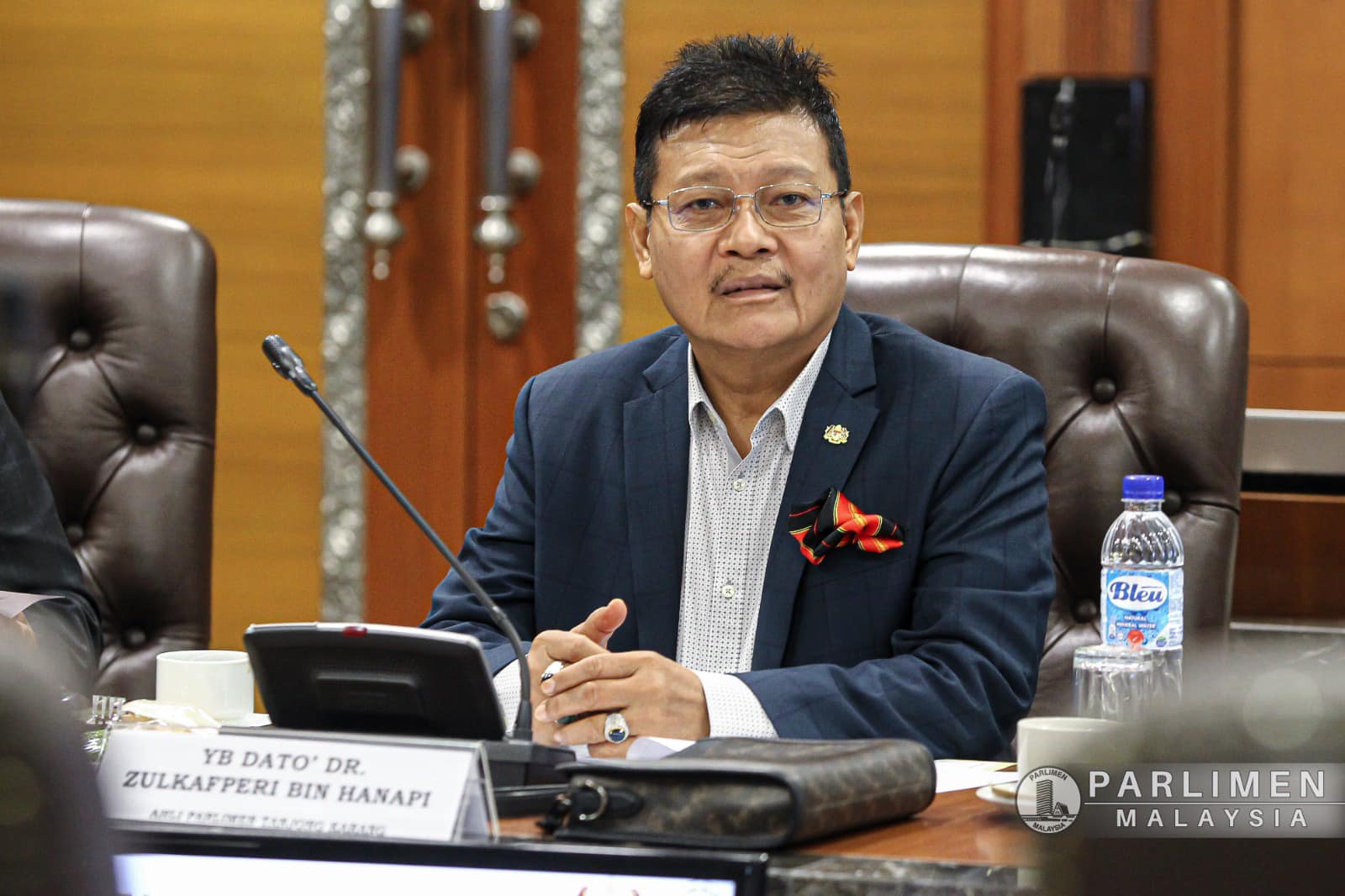
KUALA LUMPUR, July 15 — Tanjong Karang MP Dr Zulkafperi Hanapi has lambasted Rakan KKM that he claimed would pave the way for privatisation of Malaysia’s national health service.
The Bersatu lawmaker, who is aligned with Prime Minister Anwar Ibrahim, specifically pointed the finger at the Health Transformation Office in the Ministry of Health (MOH) for the Rakan KKM proposal.
“This isn’t reform; it is commercialisation in disguise. It’s a backward step that creates a gap between the rich and the poor,” said Dr Zulkafperi, a medical doctor, in a video posted on Facebook last Sunday.
“Treatment is not based on need, but financial ability. The rich can cut the queue, while the poor have to wait for their turn, sometimes for years. This is a two-tier system in public hospitals.
“Rakan KKM doesn’t solve systemic issues at all like a doctors’ shortage, infrastructure weaknesses, or an unsustainable financing system. Is Rakan KKM an early phase of hidden privatisation?
“The reality is that public services are resold to individuals through a special pathway. It creates a paid market in the public health care system. Eventually, free services will be reduced. Operational costs will depend on user payments. The social health gap widens further.”
Dr Zulkafperi urged the MOH instead to set up a national health insurance scheme (NHIS) to provide universal coverage while ensuring sufficient government funding for health care.
The Health parliament special select committee member also called for increased capacity of the public health service, instead of “selling priority to who pays more.”
“Rakan KKM supposedly aims to involve the private sector in the public health care system, but the reality is that it paves the way for hidden privatisation, shifting the government’s responsibility to stakeholders, even as the people continue to wait their turn in government hospitals and even as doctors and nurses still struggle with excessive work burdens,” wrote Dr Zulkafperi.
Health Minister Dzulkefly Ahmad sought to dispel public perception about privatisation of the national health service, after his remarks about Rakan KKM fast-tracking paying patients for elective procedures triggered public backlash.
The MOH plans to launch Rakan KKM in the third quarter of this year in existing government hospitals, namely Cyberjaya Hospital, Putrajaya Hospital, Sultan Idris Shah Serdang Hospital, and the National Cancer Institute (IKN).
In a long post on X last Sunday, Dzulkefly said Rakan KKM is a public initiative, as Rakan KKM Sdn Bhd is fully owned by the Minister of Finance Incorporated (MOF Inc.).
He added that the MOH remains the regulatory ministry responsible for making critical decisions over the management of the company.
Rakan KKM’s seed funding of RM25 million came from the Ministry of Finance (MOF). Government-linked investment companies (GLICs) will provide additional funding in Phase Two, expected to be repaid through revenue or profit from Rakan KKM operations.
Crucially, Dzulkefly said GLIC investors may take an equity stake in Rakan KKM Sdn Bhd. Profits will be distributed among shareholders, namely MOF Inc. or other GLICs.
Rakan KKM is expected to serve as a price benchmark for other private hospitals to reduce medical inflation.


