

KUALA LUMPUR, June 24 — The Ministry of Finance (MOF) has clarified that pharmaceutical manufacturers are eligible to apply for exemption from the sales and service tax (SST) for active pharmaceutical ingredients (APIs).
In an interview with BFM’s The Breakfast Grille last June 17, Treasury secretary-general Johan Mahmood Merican said “sea water” (HS code: 2501 00 5000) listed on the First Schedule of the Sales Tax (Rate of Sales Tax) Order 2025, subject to 5 per cent sales tax, refers to saline solution.
“Sea water” is one of the salt products under the 2501 HS code heading levied with the expanded SST that will come into effect on July 1.
“You have this item called ‘sea water’, but that’s a technical term that refers to a saline solution used for the pharmaceutical sector,” Johan told BFM presenter Wong Shou Ning, who noted that the general public have been asking whether water that is literally taken from the sea is subject to SST.
“It does refer to a specific manufacturing input for the pharmaceutical sector,” Johan added.
The Treasury secretary-general did not further elaborate on taxation of saline solution during his BFM interview.
When CodeBlue contacted MOF yesterday, a spokesperson clarified that pharmaceutical manufacturers can apply for exemption from 5 per cent SST for APIs, including saline solution, since the government has decided not to levy a sales tax on medicines and medical devices.
“The sales tax rate across the value chain for medicines is zero per cent,” the MOF spokesperson told CodeBlue.
“The pharmaceutical manufacturer has to apply for a tax exemption; a registered manufacturer will get that exemption.”
A source told CodeBlue recently that the local generics manufacturing industry has been concerned about the levy of SST on imported APIs, involving both organic and inorganic chemicals, even though finished pharmaceutical products are explicitly exempted from taxation.
Association of Private Hospitals Malaysia (APHM) president Dr Kuljit Singh explained that saline solution is commonly used in health care facilities like hospitals and clinics.
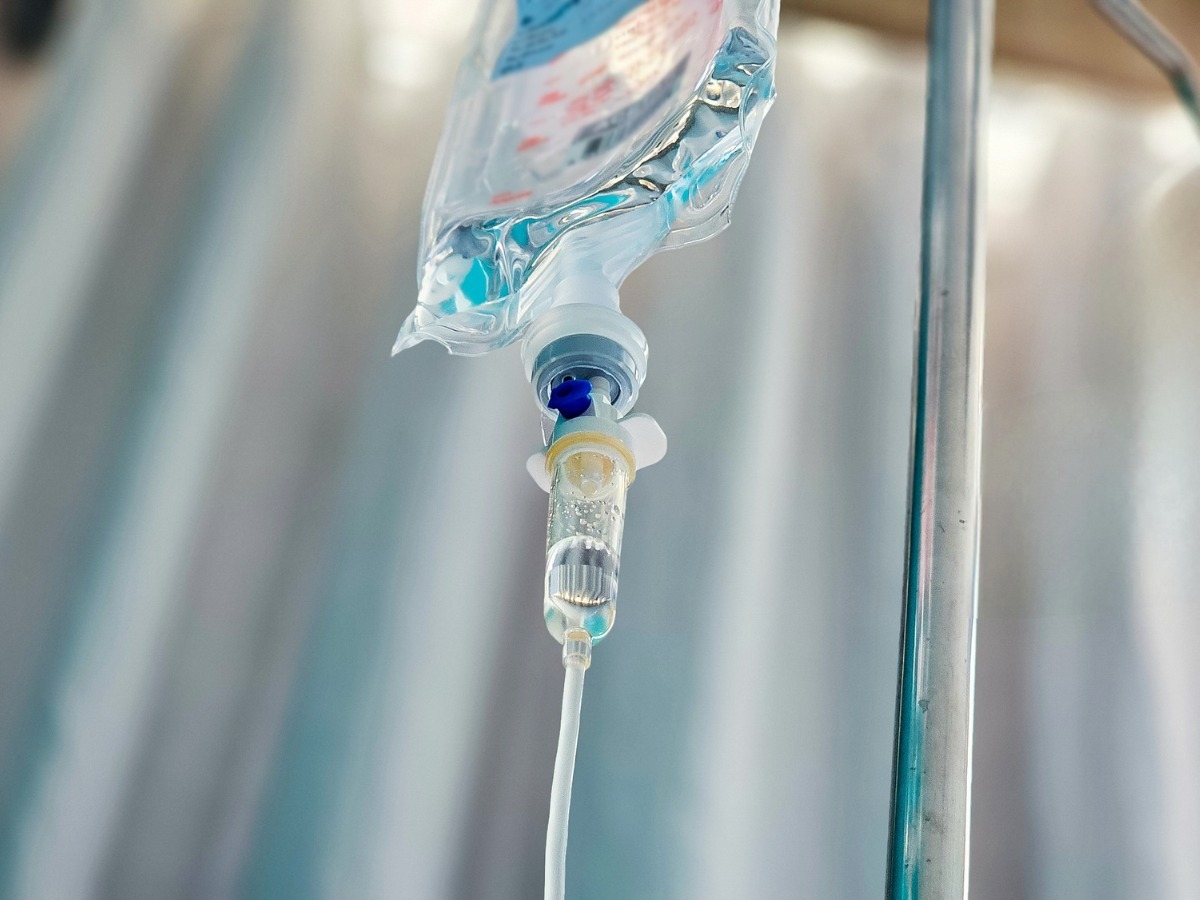
These include IV drips, injections, and placing medical equipment in saline solution. Saline solution is also used for wound cleaning, clearing nasal passages, and eye and contact lens care.
“Some saline also goes into the making of medications, while some saline solution is sold on its own,” Dr Kuljit told CodeBlue when contacted following Johan’s BFM interview.
“If they’re going to tax it, then be ready for an increase in health care costs.”


