

KUALA LUMPUR, May 19 — Two medical groups today urged the Ministry of Health (MOH) to restrict the sale of e-cigarettes, amid growing pressure for a federal ban on vape products.
The Malaysian Thoracic Society (MTS) and Lung Foundation Malaysia (LFM) believe that the Control of Smoking Products for Public Health Act 2024 (Act 852) has provisions allowing for vape prohibitions, citing Section 21 and Section 3.
Section 21 of Act 852 empowers the minister, upon advice of the director-general, to establish a committee if there is an “acute or critical situation” related to the use of any tobacco product, smoking substance, or substitute tobacco product that may seriously endanger people’s lives, health, or safety.
On recommendation of that committee, the minister may gazette an order to prohibit or restrict the importation, manufacturing, distribution, or selling of the tobacco product, smoking substance, or substitute tobacco product.
Section 3 of Act 852 relates to the requirement for registration of tobacco products, smoking substances, or substitute tobacco products.
“Yet these provisions remain ineffective without timely gazettement and enforcement of supporting Regulations. We urge the Ministry of Health to accelerate this process without delay,” MTS and LFM said in a joint statement.
“MTS and LFM commend proactive state‑level initiatives in Johor, Kelantan, Terengganu, and Perlis, which have implemented restrictions on vape sales. Yet without consistent federal enforcement, such efforts remain fragmented and insufficient to address a national epidemic.”
Former Malaysian Bar president Salim Bashir Bhaskaran reportedly said the move by several state governments to ban the sale of vapes via the restriction of business licences may be unconstitutional, as Article 75 of the Federal Constitution states that federal laws will prevail if there is any inconsistency between state and federal laws.
The Star ran a front-page story yesterday on how vapes are becoming the gateway to drugs in Malaysia, due to the adulteration of vape liquids in open systems with illicit substances like THC, synthetic cannabinoids, or opioids.
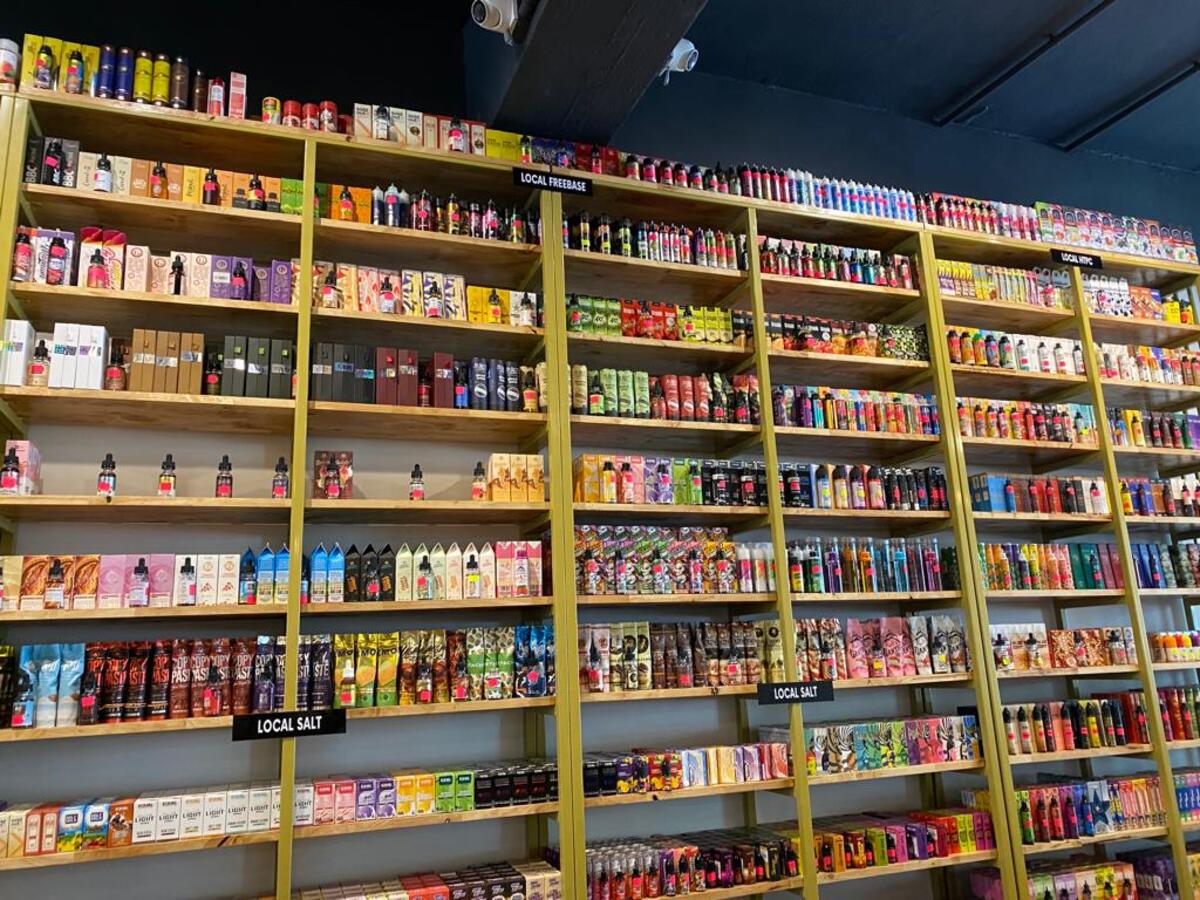
MTS and LFM – both of which are run by medical practitioners – expressed particular concern with the vape industry targeting children and teenagers in Malaysia, citing the marketing of colourful and toy-like vape devices.
“The industry’s tactics are working: the 2022 National Health and Morbidity Survey (NHMS) found that while cigarette smoking among teens declined, vaping prevalence among Malaysian adolescents soared to 14.9 per cent, including 9.6 per cent among girls—a nearly five‑fold jump from 2017.”
MTS and LFM demanded the immediate gazettement and enforcement of regulations under Act 852 to curb the proliferation of vape products, as well as to expand state-level restrictions to achieve a “coordinated national response”.
Last Friday, the Malaysian Medical Association (MMA) called for a federal ban on vape and e-cigarettes.
This followed a statement by the Malaysian Public Health Physicians’ Association (PPPKAM) that praised state governments for banning vapes.


