

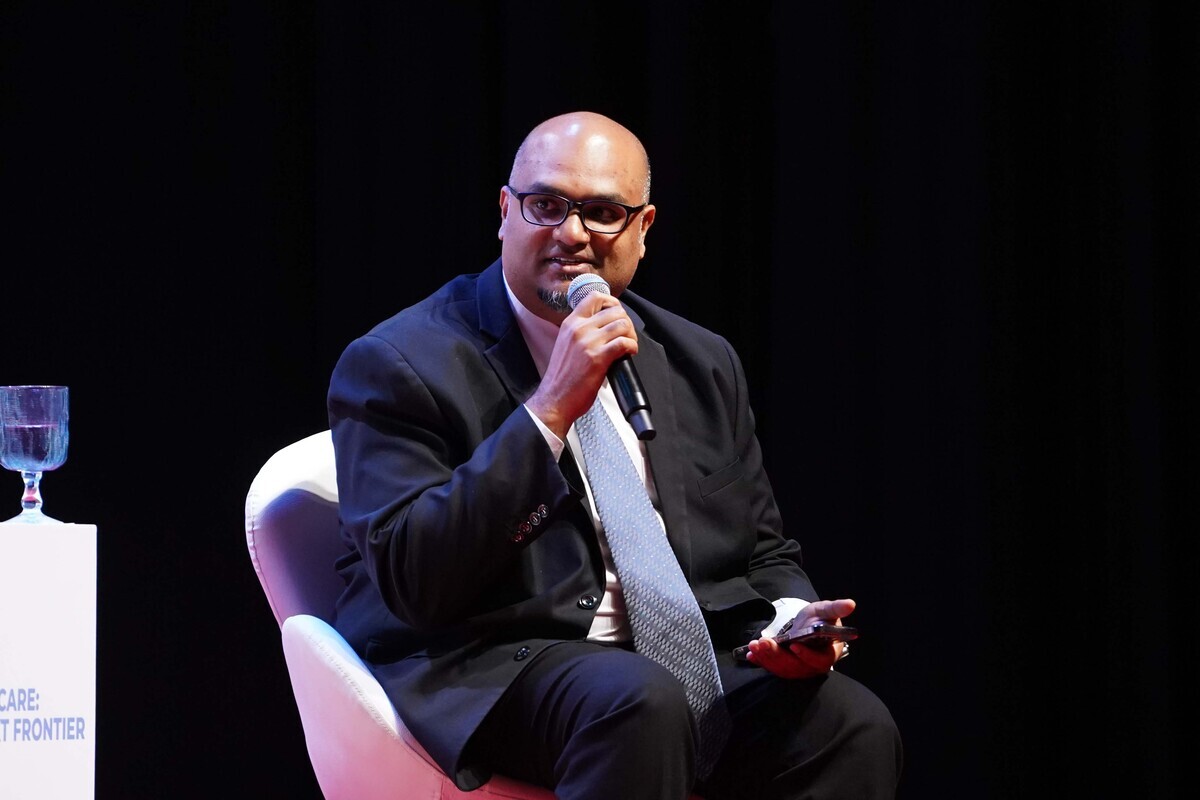
KUALA LUMPUR, Feb 5 — The Ministry of Health (MOH) is weighing the adoption of electronic medical certificates and drug prescriptions in an effort to digitalise the health care system.
Dr Mahesh Appannan, the MOH’s director of digital health, told the Health parliamentary special select committee (PSSC) during a briefing on July 16 that the plan requires careful alignment with legal and regulatory frameworks.
“For now, if someone needs a medical certificate, they must be physically present [at the health care facility],” Dr Mahesh said during the session, chaired by Health PSSC chairman Suhaizan Kaiat. Health director-general Dr Muhammad Radzi Abu Hassan was also present.
“We have proposed the use of e-MCs, but this involves laws and policies because a medical certificate issued digitally would not currently hold up in court or the workplace.
“Still, this is something we need to start considering. Like electronic prescriptions, electronic medical certificates represent the way forward. Everything is going ‘e’,” Dr Mahesh said, according to the Hansard of the proceedings.
Dr Mahesh said that these measures are integral to Malaysia’s digital health care vision, which aims to fully digitalise public health (klinik kesihatan) and dental clinics by 2027.
The MOH has already provided telemedicine platforms to all 900 public health clinics nationwide to provide virtual consultations, especially for follow-up care and prenatal appointments.
“It is definitely in our pipeline for discussion, but as we accelerate our digitalisation process, we need to be cognisant of all our existing laws and guidelines. We will ensure that we comply with all the relevant Acts so that we do not take the wrong path.”
The nine-member Health PSSC has recommended that the MOH review existing laws to safeguard patient data and ensure information security, stressing that personal information should only be shared with the individual’s consent.
Dr Mahesh highlighted the ministry’s success in digitalising health screenings and records for Malaysian hajj pilgrims, an initiative that has earned international recognition from the World Health Organization (WHO) and been adopted by Indonesia and Oman.
“Malaysia has become a benchmark for other countries,” Dr Mahesh said. “We digitalised the health screening process for Hajj pilgrims in 2023. By 2024, we empowered pilgrims to share their health records with health care facilities in the Kingdom of Saudi Arabia, provided they gave their consent.
“This was followed by our neighbour, Indonesia, and Oman. These three countries were the first to implement the International Patient Summary (IPS) programme, which was recognised at the 2024 World Health Assembly.
“It’s a great boost for Malaysia. We could potentially use the same strategy to plan for interoperability domestically – how we can have the patient give their consent to sharing their records even with the private sector,” Dr Mahesh explained.
Dr Mahesh also highlighted the integration of MySejahtera, the government’s health app developed during the Covid-19 pandemic, as the “digital front door” for accessing personal health records.
The app, which still has 8.9 million active users, is being repurposed for initiatives such as organ donation pledges, national health screenings, and appointment scheduling.
Health PSSC member and Bentong MP Young Syefura Othman asked about plans to increase MySejahtera’s usage, particularly among those who had deleted the app or were no longer actively using it.
Dr Mahesh acknowledged communication gaps, but said the app’s modular capabilities allow it to be expanded for various health initiatives without “reinventing the wheel.”
“During Covid-19, nearly 32 million people used the app. We can repurpose it for many more modules. Moving forward, we will strengthen our communication strategies to ensure users understand the app’s benefits and potential,” he said.
The Health PSSC has agreed and recommended that the MOH enhance the use of MySejahtera by improving its communication plan, introducing new features to expand the app’s functionality, and providing alternatives such as smart cards to assist those with limited digital literacy.


