

The Ministry of Health’s (MOH) Waktu Bekerja Berlainan (WBB) shift system to start its pilot run in seven hospitals from February 1, 2025, has raised significant concerns among health care workers.
While aimed at reducing working hours and improving conditions, its implementation risks further burdening an already overstretched public health care system.
It will also affect the income of public health care medical officers and specialists as the MOH’s announced increase in on-call allowance will only be applicable for WBB on-call shifts on weekends and public holidays.
While those on the WBB on-call shift system will work less hours on-call, they will stand to lose income from loss of weekday on-call allowance claims.
Under The WBB shift system, there is no allowance for working past 5pm on weekdays. Graveyard shifts are treated as regular work hours included as part of the 45-hour workweek.
Furthermore, there is not enough manpower on the ground to be in a position to reduce work hours. Before we can even consider reducing any work hours, manpower issues (health care worker maldistribution and shortages), which have persisted nationwide, must first be resolved.
At the moment, the current distribution of our health care workforce is struggling to manage the high workloads. It needs to be noted that over 70 per cent of the population rely on public health care services. Any reduction in work hours without addressing manpower shortages will impact inpatient care and the running of clinics and other services in the hospital.
We hope that the Medical Advisory and Action Committee, who prepared the guidelines, will further engage with clinicians and other stakeholders on the ground on the feasibility of implementing the modified shift working system for medical officers.
Last but not least, we call on the government to immediately implement its announced increase in on-call allowance across all public health care facilities, regardless of the shift system. As it stands, those hospitals and departments that cannot implement the WBB due to manpower shortages will see their doctors not benefitting at all.
This risks further demoralising an already overworked workforce. The on-call allowance, which has not seen an increase for more than a decade, serves as compensation for medical officers and specialists, recognising their dedication and sacrifices in delivering 24-hour health care services every day to meet the needs of the population.
Doctors, who had been eagerly awaiting the good news on the on-call increase as announced by the health minister and also the prime minister during the Budget 2025 presentation last year, are now disappointed and upset.
In addition, manpower shortages that will limit the feasibility of new systems like WBB should be addressed and stakeholders engaged.
Only then can we move on to meaningful reforms that will benefit both health care workers and the public.
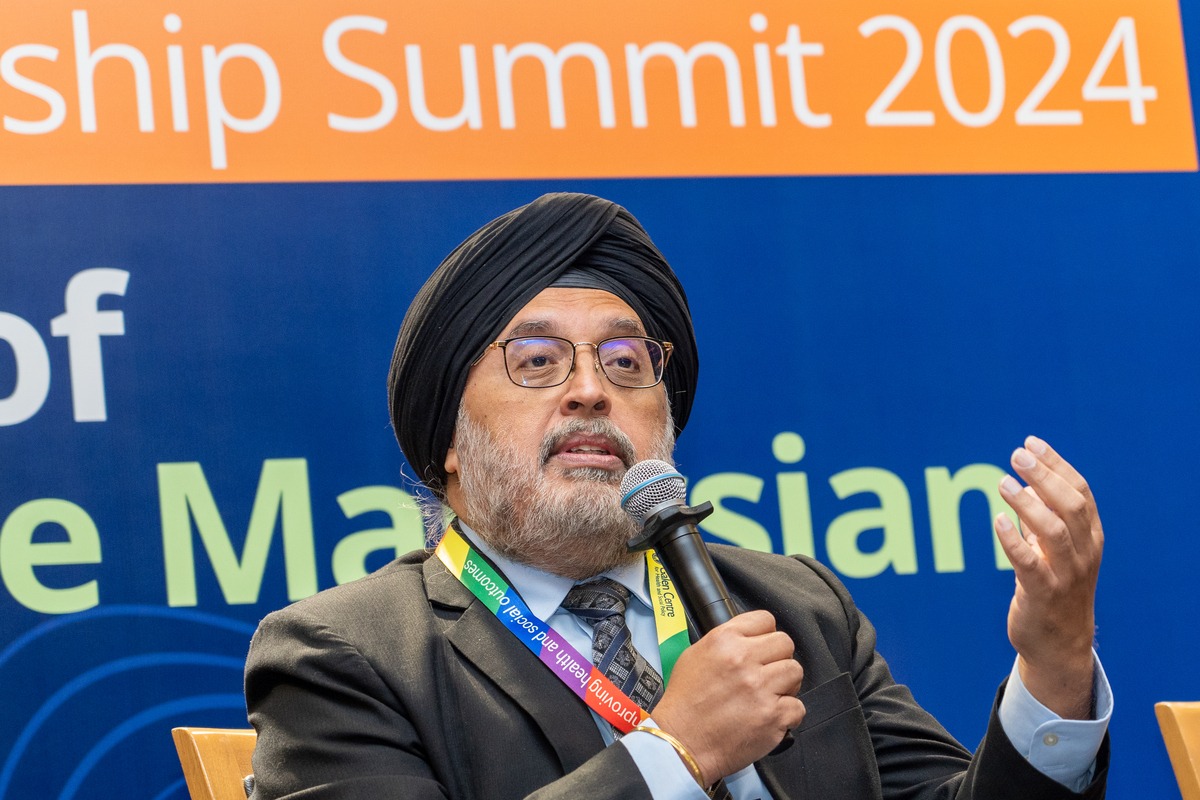
Dr Kalwinder Singh Khaira is president of the Malaysian Medical Association.
- This is the personal opinion of the writer or publication and does not necessarily represent the views of CodeBlue.


