

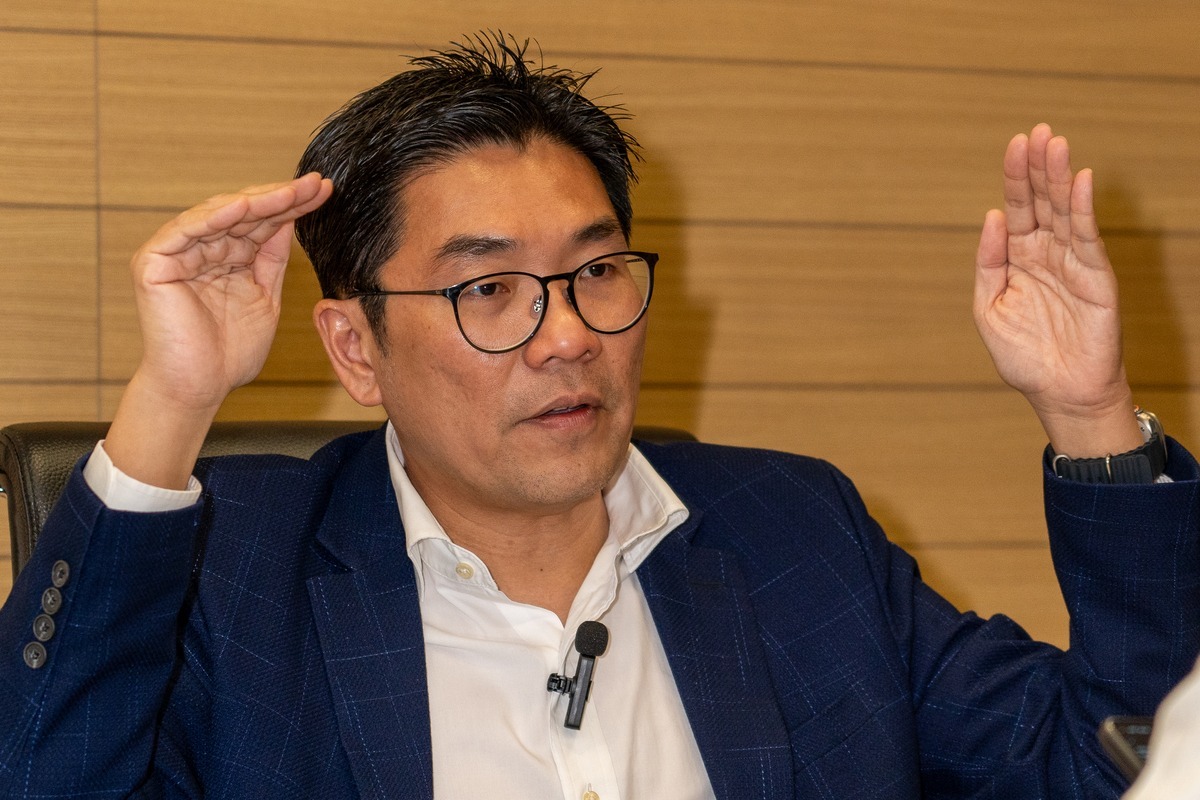
KUALA LUMPUR, Jan 14 — Bayan Baru MP Sim Tze Tzin says he continues to receive complaints of medical insurance premiums rising by as much as 30 to 50 per cent, despite a directive from Bank Negara Malaysia (BNM) capping premium increases at 10 per cent.
Sim, who set up a channel for complaints on health care costs, said his office immediately forwarded them to BNM. The central bank has since taken action against the insurers involved, who admitted the violations and pledged to rectify the premium hikes.
“We still receive [complaints of] certain insurance companies. They send out letters increasing [premiums] by more than 10 per cent – 30 per cent, 50 per cent – yes. We got those complaints, and immediately we sent them to Bank Negara, and Bank Negara has actually taken action against the insurance companies, and they said they will rectify.
“I think this is still a work in progress, meaning it’s still not fully implemented, but I think they are taking steps. They admitted it. So they are actually rectifying it, which I think is okay, because this is still work in progress,” Sim told CodeBlue in an interview in Parliament last January 8.
Sim’s channel has recorded 296 complaints to date, detailing concerns over steep premium hikes that seem to disproportionately impact retirees and individuals with non-communicable diseases (NCDs) such as cancer. Other grievances include price disparities between insured and uninsured patients, as well as excessive charges in private hospital bills.
BNM’s directive, issued late last year, capped annual premium increases at 10 per cent for most policyholders in response to public outrage over steep health insurance premium hikes, with some exceeding over 200 per cent.
The directive required insurers and takaful operators (ITOs) to spread out medical insurance premium hikes over three years. However, critics argue the measures do little to resolve the issue, as many policyholders had already received notices of sharp hikes months earlier.
When asked if insurers were acting only in response to complaints, Sim stressed that compliance with the central bank’s directive is mandatory.
“The regulator has already given instructions that insurance companies must adhere to that ruling, so there is no reason for them not to change. If they continue to do that, please send those complaints to us, and we’ll go and fight for them,” the Penang PKR lawmaker said.
BNM’s December 20 statement said policyholders can contact their respective insurers from January 15 (tomorrow).
Public Invited To Attend PAC Hearing In February
Sim, a member of Parliament’s Public Accounts Committee (PAC), shared that the PAC will hold a public hearing next month on private health care costs when Parliament reconvenes, followed by a series of proceedings involving select groups.
“We (PAC) had a long discussion on how to move forward with this, and we will hold the first public hearing, inviting all stakeholders – the public, consumers, insurance policyholders, patients, hospitals, and consumer groups – all will come in,” Sim said.
The hearing will take place on a Friday in February, with a specific date to be announced later. It will run for three hours in the morning to allow everyone to share their views.
“This forum is to hear ideas. I was tasked with moderating it, and we will listen to you,” Sim added. “Everyone can come to Parliament. The Parliament belongs to the rakyat.”
This public hearing breaks convention, as hearings by the PAC and all other special select committees are typically not broadcast and are not open to the public; proceeding transcripts are only published in the Hansard months later.
Following the public hearing, the PAC plans to conduct eight detailed proceedings with specific groups, including consumer groups, private hospitals, academics, insurance companies, and specialist doctors.
“These proceedings will be long. Each proceeding can last three to six hours, and we will listen to what each group has to say,” Sim explained.
“First, we will have a public hearing where everyone can listen to each other and understand the problem. In the detailed proceedings, that’s where we want the groups to present their ideas and solutions.
“Of course, every group will speak for themselves and articulate their own interests, which is fair. But as MPs, we have to listen to all sides and we will use our collective wisdom to find a way out for the government,” Sim said.


