

Come 2025, Malaysians will face a steep rise in medical insurance premiums, with increases between 40 per cent and 70 per cent projected. Insurance providers, in their notices to policyholders, have cited the rising cost of medical care in private hospitals as the primary reason for the hike.
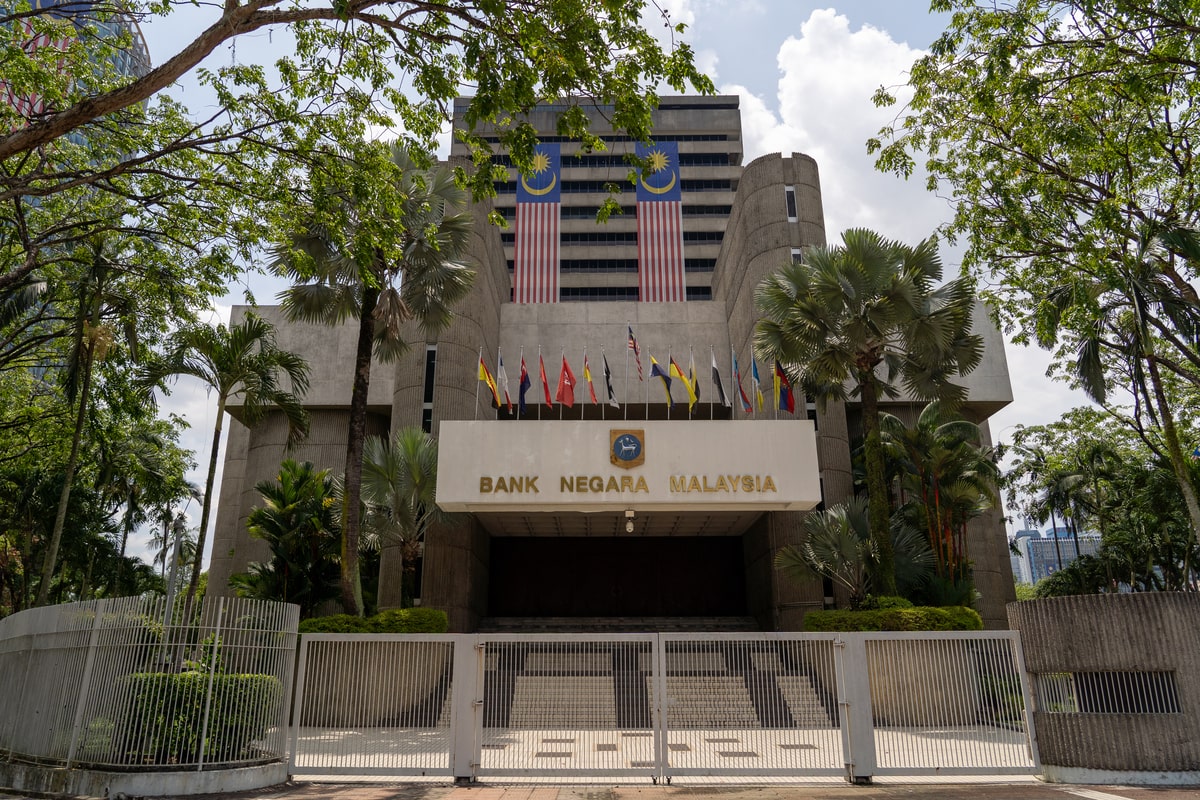
This comes hot on the heels of Bank Negara Malaysia’s (BNM) decision in July 2024 to implement copayment requirements for medical and health insurance and takaful products.
The justification provided by insurers points to escalating health care costs, but a closer examination of financial reports from major players in the private health care and insurance industries reveals a troubling contrast.
IHH Healthcare announced a net profit of RM534 million for the third quarter of 2024, while KPJ Healthcare Berhad hit an historic RM1 billion quarterly revenue milestone for Q3 this year.
Similarly, Allianz Malaysia Berhad recorded a 17.7 per cent rise in revenue to RM1.37 billion, along with a net profit of RM167 million for Q2 2024. Prudential Assurance reported a net profit of RM963.47 million for its financial year ended December 31, 2023.
These figures suggest a thriving private health care and insurance sector, which raises the question of why is the burden of rising costs being shifted disproportionately onto policyholders?
Malaysians purchase medical insurance because they want access to private yet affordable health care. However, for the average Malaysian family, these premium hikes present a dire financial challenge.
Many have already opted to cancel their policies as they are unable to absorb the additional costs. This not only jeopardises their financial security during medical emergencies but also defeats the core purpose of medical insurance, which is to provide affordable access to health care.
The fallout from these cancellations is likely to place additional strain on Malaysia’s already overburdened public health care system. WIth public hospitals already struggling to manage overcrowded wards, long waiting times, and overworked health care professionals, an influx of former private insurance policyholders will further compromise the quality and accessibility of public health care services.
Data from the National Health and Morbidity Survey 2023 underscores this issue. Of the respondents, 2.3 per cent reported unmet health care needs, with 12.9 per cent citing unaffordability or lack of money as the reason. Outpatient treatment in 2023 was nearly evenly split, with 48.9 per cent of Malaysians seeking care at public health care facilities and 51.1 per cent at private ones.
However, hospital admissions tell a different story: 74.7 per cent of Malaysians were admitted to public hospitals, while only 25.3 per cent went to private ones. Notably, 15 per cent of these private admissions were paid for by private health insurance.
As insurance becomes increasingly unaffordable, these numbers are set to skew further. More Malaysians will inevitably turn to public hospitals, intensifying the pressure on an already overstretched system. We are set to see longer waiting times, even worse overcrowding, and in general, a greater strain on health care workers, putting the sustainability of public health care at risk.
In response to mounting public concern, BNM instructed insurers and takaful operators to review their repricing strategies to ensure more reasonable implementation. This is a welcomed move, one that policyholders hope will yield tangible benefits and provide much-needed relief. However, meaningful outcomes will require consistent enforcement and transparency from all stakeholders involved.
What is concerning is the apparent lack of regulatory oversight. Private hospitals and insurance companies seem to operate with little accountability, even as they post record-breaking profits. This raises a critical question: Are these hikes truly reflective of rising costs, or are they a means of profiteering at the expense of consumers?
One cannot ignore the potential conflict of interest arising from the government’s significant shareholdings in many private hospitals through entities such as the Employees’ Provident Fund (EPF), the Retirement Fund (KWAP), Amanah Saham Bumiputera (ASB), and Tabung Haji.
Higher profits for these private hospitals translate to greater investment returns for these funds, which primarily serve to grow national savings and pensions. However, this raises an uncomfortable question: Could this financial stake diminish the government’s appetite for stricter regulatory controls over private health care costs and pricing structures?
This situation calls for immediate and comprehensive action from multiple stakeholders, particularly Bank Negara Malaysia (BNM) and the Ministry of Health (KKM). Collaboration between these bodies is crucial; they cannot afford to pass the responsibility back and forth.
KKM must move beyond vague rhetoric about implementing diagnosis-related group (DRG) payment systems or value-based health care models. Instead, it must demonstrate the political will to enforce DRG systems to better regulate private hospital charges and ensure affordability for the rakyat.
BNM must also intervene to cap annual premium hikes at a fair rate. Insurers should be required to disclose their financial data, demonstrating that their premium adjustments are proportionate to the claims they pay out. At the same time, investigations on whether the rising charges by private hospitals and insurers constitute excessive profiteering, which unfairly shifts the financial burden onto consumers, should be carried out.
While rising health care costs are inevitable due to inflation, technological advancements, and demographic changes, the increases must remain fair and affordable. Policymakers, insurers, and health care providers must find a balance that protects consumers from undue financial strain while ensuring the sustainability of the health care system.
Health care cannot be a privilege reserved for the wealthy. The government must ensure that health insurance available on the market is accessible and equitable. Unchecked premium hikes threaten to deepen inequities in our health care system, leaving the most vulnerable populations unprotected.
A coordinated and transparent approach is essential to restore trust in the system. Policymakers, insurers, and health care providers must act with urgency and fairness, recognising that a healthy nation is not just a moral imperative, but instead a foundation for long-term prosperity.
- This is the personal opinion of the writer or publication and does not necessarily represent the views of CodeBlue.

