

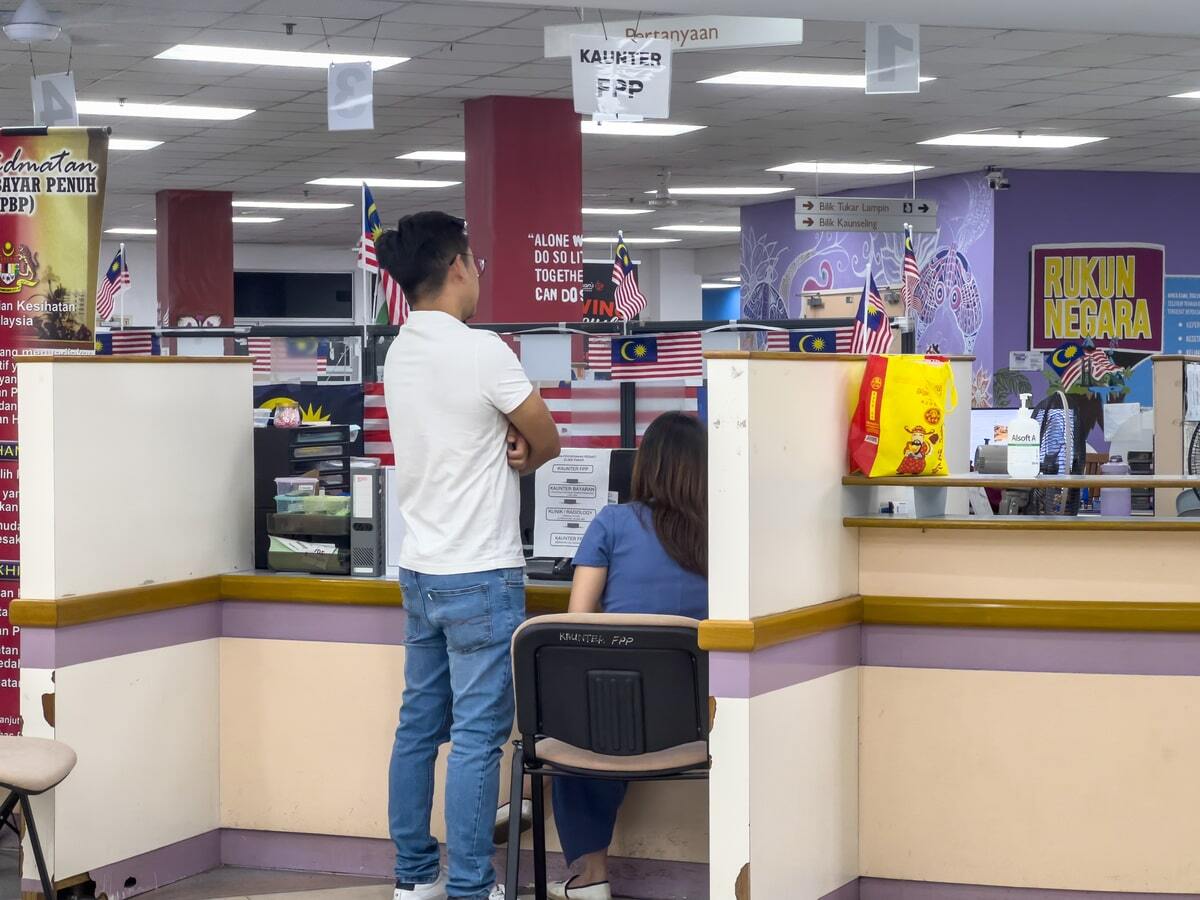
Malaysia’s health care system, despite being affordable, faces challenges in long-term sustainability. The government has introduced the RakanKKM programme, expanding private wings (Full-Paying Patient, FPP service) in Ministry of Health (MOH) hospitals to generate income and ensure the health care system remains viable.
This initiative addresses issues like underpaid health care workers, public financial strain, and the undervaluing of medical professionals.
The Current Health Care System: Unsustainable And Undercompensated
Malaysia’s tax-funded health care model charges patients minimal fees – RM1 for a general consultation and RM5 for a specialist visit. While this guarantees widespread access, it has led to an unsustainable financial model.
Health care expenditures are rising due to technological advancements, the ageing population, and an increasing burden of non-communicable diseases, making it harder for the government to maintain this model.
At the World Cancer Congress (WCC) 2024 in Geneva, Switzerland last Tuesday, Health Minister Dzulkefly Ahmad stated that the current low-fee system is “not sustainable”.
The system places a heavy strain on public finances and does not provide fair compensation to health care workers, especially doctors, who have trained for many years to become specialists.
RakanKKM: A Hybrid Health Care Model
To address these challenges, the RakanKKM programme introduces private wings within MOH hospitals. These wings offer premium services, including first-class facilities, shorter waiting times, and preferred specialists, at a cost.
While core services remain affordable for low-income groups, this hybrid model generates additional revenue, helping to keep the public health care system afloat.
The RakanKKM programme operates through a Special-Purpose Vehicle (SPV) with investments from government-linked investment companies (GLICs), ensuring that while these private wings follow a business model, they remain integrated into the public health care system. This hybrid approach provides several benefits:
- Generating Revenue: Charging for premium services creates a new revenue stream for public hospitals, allowing the government to reduce its reliance on tax funding. The income generated will be reinvested into public hospitals to improve care for all patients.
- Retaining Specialists: Many specialists leave the public sector for better-paying private practices. By allowing them to earn more through FPP services, public hospitals can retain these highly trained professionals. This benefits everyone, as the public still has access to top specialists within government hospitals.
- Improving Health Care Worker Welfare: With minimal fees being charged for specialist visits, there is little room for salary increases. Private wings will enable health care professionals, especially doctors, to earn higher wages, improving job satisfaction and reducing burnout.
- Uplifting the Status of Doctors: Charging only RM5 for a specialist’s expertise can be demoralising for doctors who spend years training. By introducing private wings, the RakanKKM programme helps restore dignity to the medical profession, ensuring that doctors are compensated more fairly for their skills.
Why Should Health Care Consultations Be Free When Other Professions Aren’t?
The idea of free health care is often seen as ideal, but it raises important questions about fairness and sustainability. Consider other professions:
- Accountants, lawyers, engineers, mechanics, and financial advisors all charge for their expertise.
- Architects and interior designers require payment for their creative skills and knowledge.
- IT consultants and judges (in many cases) earn substantial fees for their services.
- Even professions like chefs and mechanics charge for their labour and expertise.
None of these professionals provide their services for free, and health care should not be treated differently. A consultation with a specialist often involves years of education, experience, and skill – factors that justify appropriate compensation. When health care services are free or extremely cheap, it undermines the value of these professionals’ expertise.
If other fields demand fair compensation for their services, why should health care consultations be any different? Medical professionals are just as essential, if not more so, in ensuring the well-being of society, and they deserve to be fairly compensated for their time, effort, and expertise.
The Dangers Of Free Health Care
Providing health care for free may seem noble, but it can have unintended consequences. Some of the key challenges include:
Financial Burden on the Government: Offering free health care puts immense pressure on government resources. As health care costs rise, the government must find ways to cover these expenses, which can lead to increased taxes or cuts to other services.
Undercompensated Health Care Workers: In systems where health care is free, workers often face lower wages and worse working conditions. This can lead to a brain drain, where doctors and specialists leave for higher-paying jobs in private practice or abroad. As a result, the public system loses its most skilled professionals.
Overuse of Services: When health care is free, patients may overuse services or take them for granted. This can lead to long wait times, overcrowded hospitals, and a system that struggles to meet demand. Paid services, like those offered through private wings, encourage patients to value their health care and make more thoughtful use of resources.
Lack of Public Accountability: Patients who do not pay for health care services may not take their treatments seriously. Non-compliance with medication or follow-up appointments is a common issue in systems where patients don’t have to pay out of pocket. When patients are required to pay, they are more likely to value the service and follow their doctor’s recommendations, leading to better health outcomes.
Medication Optimisation Through Private Wings
Private wings can also offer patients the opportunity to optimize their medications. In public health care systems, some patients may not have access to more expensive, specialised medications due to budget constraints.
Through private wings, patients who are willing and able to pay can access a wider range of medications that may better suit their conditions. This option allows for personalised and optimized treatment plans, leading to improved health outcomes and better quality of life.
For example, in cases where newer or more expensive medications offer significant benefits over cheaper alternatives, patients who are willing to pay can access these treatments. This option isn’t available under the current system, where free or subsidised medications are often limited to the most cost-effective options.
Increasing Public Appreciation For Health Care Professionals
Introducing paid services through private wings also shifts the public’s mindset. When patients pay for services, they tend to appreciate the value of those services more.
This change in perspective is important not only for patients, but also for health care professionals, who feel more respected when their skills and expertise are properly compensated.
In Malaysia’s current system, where services are nearly free, there can be a sense of entitlement.
Patients may view medical consultations as a right rather than a privilege, and this can lead to a lack of respect for doctors and other health care workers.
By introducing paid services, the RakanKKM programme encourages patients to recognise the value of health care professionals’ work.
Conclusion: A Necessary Shift Towards Sustainability
The expansion of private wings in public hospitals under the RakanKKM programme represents a necessary shift toward a more sustainable health care system. By balancing affordable care with paid services, the government can maintain access for low-income citizens while generating revenue to improve the overall system.
Other professionals are compensated for their skills and expertise; health care should not be an exception. By providing fair compensation to doctors and other health care workers, the RakanKKM programme ensures that Malaysia’s health care system remains sustainable, while also improving the quality of care for all citizens.
In the long run, free health care is neither feasible nor fair. The expansion of private wings under this initiative is a step in the right direction — ensuring that Malaysia’s health care system can continue to serve its people for years to come.
The author is a medical officer at a government hospital in the Klang Valley. CodeBlue is providing the author anonymity because civil servants are prohibited from writing to the media.
- This is the personal opinion of the writer or publication and does not necessarily represent the views of CodeBlue.


