

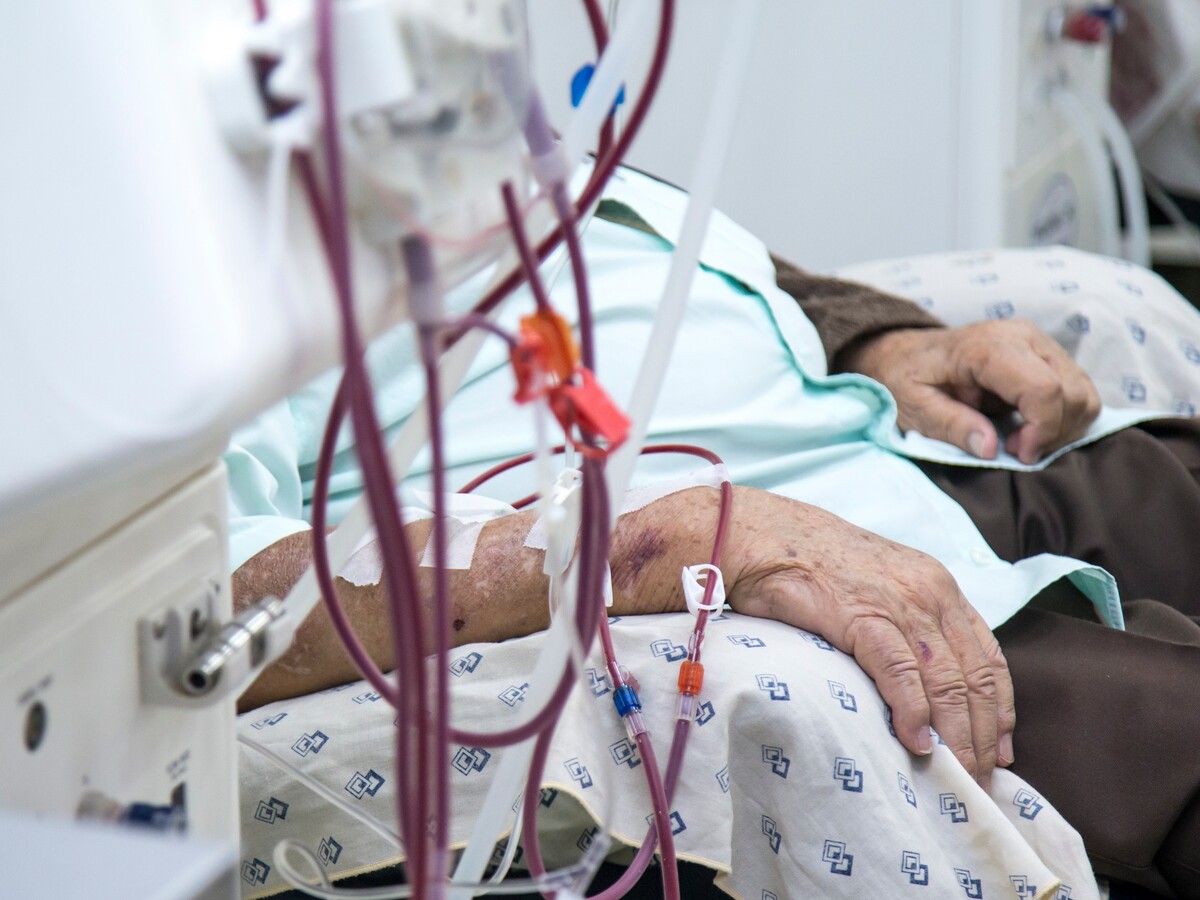
KUALA LUMPUR, Jan 8 — The Ministry of Health (MOH) is reviewing dialysis fees and other day care charges for underprivileged groups.
Currently, dialysis patients at MOH facilities are charged based on the Fees (Medical) Order 2017.
“The MOH is in the process of reviewing daily care charges, including dialysis fees, for underprivileged groups,” Health Minister Dzulkefly Ahmad said in a written Dewan Negara reply on December 9.
“Fee waiver requests involving Malaysian citizens must be submitted to the Secretary-General of the Treasury for approval under Paragraph 16(13) of the Fees (Medical) Order 1982.”
Dzulkefly was responding to Senator Anna Bell @ Suzieana Perian, who asked if MOH planned to provide free dialysis treatment for those unable to afford it and whether the ministry would establish more dialysis centres, particularly in rural areas.
The health minister said the government remains the primary funder of dialysis treatment in Malaysia. Limited slots at MOH dialysis centres are supplemented with subsidies for treatment at non-governmental organisations (NGO) and private centres recognised by MOH.
“For treatment at NGO dialysis centres, the government provides a subsidy of RM100 per session, amounting to RM16,800 annually per patient. Additionally, erythropoietin injections are subsidised at RM18.50 per dose, with a maximum of three injections weekly, costing RM2,886 annually per patient. Needy patients only pay RM10 per session at NGO centres,” Dzulkefly said.
Between 2020 and 2023, the government spent RM121.4 million on subsidies for haemodialysis and erythropoietin injections at non-MOH centres.
Dzulkefly also highlighted that all newly built MOH hospitals would be equipped with haemodialysis units. “This will increase dialysis capacity, with an average addition of 40 to 60 patients per facility, depending on financial resources, staffing, and available slots.”
He added that, in line with the government’s commitment to improving end-stage kidney disease management, MOH is prioritising the “Peritoneal Dialysis (PD) First Policy”.
“Peritoneal dialysis can be done by patients themselves at home, reducing costs and eliminating the need for frequent travel to dialysis centres. This is particularly beneficial for patients in rural areas,” Dzulkefly said.
The PD First Policy received full government support in Budget 2025, announced on October 18, with additional allocations to expand access to peritoneal dialysis treatment nationwide, Dzulkefly said.


