

We are wriitng in response to the CodeBlue article published on November 3, 2026, Patients Skipping GPs For Private Hospitals Drive Up Medical Costs: APHM.
The Private Medical Practitioners’ Association of Selangor and Kuala Lumpur (PMPASKL) strongly concurs with the recent observations made by the Association of Private Hospitals Malaysia (APHM) regarding the escalating cost pressures driven by patients bypassing primary care clinics for routine medical conditions.
As medical inflation continues to impact patients, insurers, and health care providers alike, utilising high-overhead tertiary and secondary hospital facilities for straightforward acute conditions is neither clinically necessary nor economically sustainable for our national health care ecosystem.
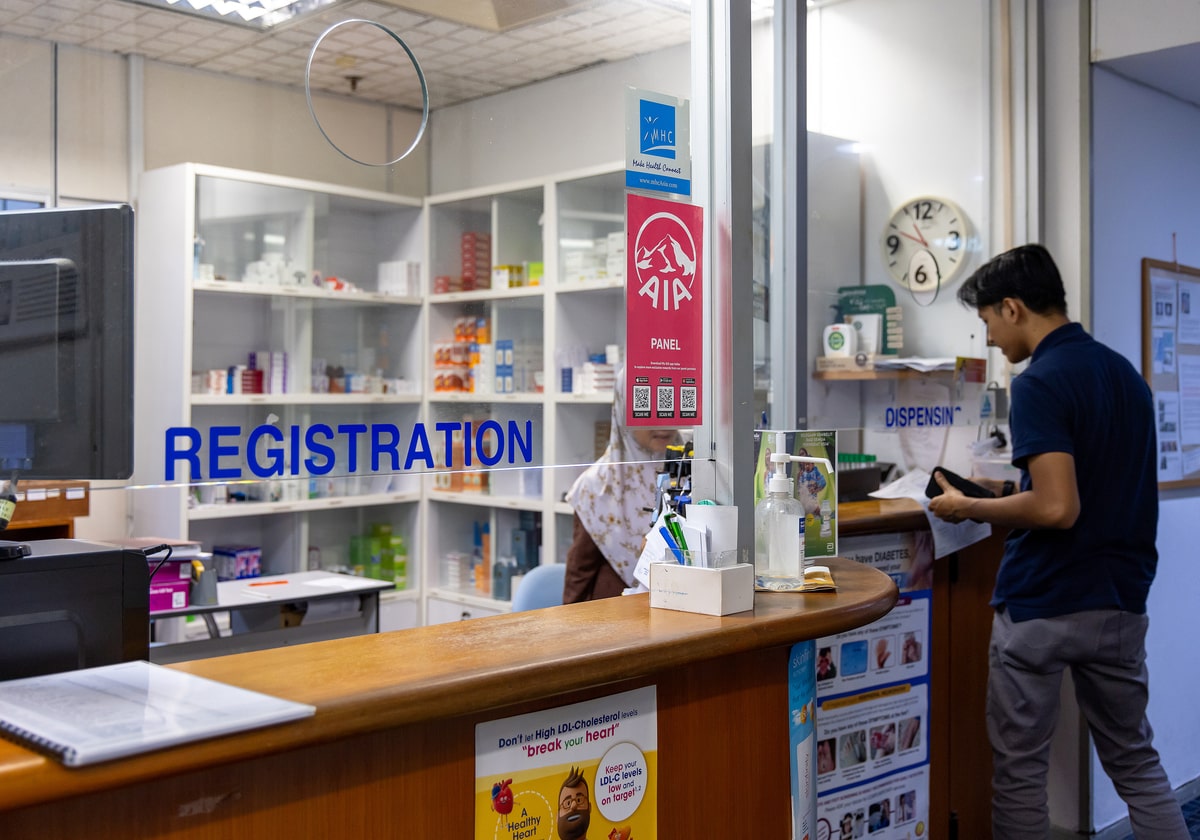
General practitioner (GP) clinics are equipped to diagnose and manage a vast spectrum of non-emergency medical conditions right at the primary level, including acute respiratory tract infections, uncomplicated gastroenteritis, minor dermatological issues, musculoskeletal sprains, early-stage chronic disease monitoring, and more.
For most non-emergency conditions, visiting a GP as the first point of contact allows early assessment, appropriate treatment, and timely referral when specialist or hospital care is required.
On the contrary, primary care doctors perform vital early triage: when red flags or complex pathologies are identified, GPs initiate initial stabilisation and execute referrals to hospital specialists in a timely, coordinated manner.
Bypassing this crucial step often leads to over-investigation for mild, self-limiting ailments, unnecessarily driving up out-of-pocket expenses and insurance claims.
To truly shift patient utilisation back to primary care, insurance policies and Managed Care Organisation (MCO) benefits must keep pace with modern primary care capabilities.
Many insurance policies provide limited outpatient GP benefits, particularly for diagnostic investigations and minor procedures. This may inadvertently discourage patients from seeking appropriate primary care and contribute to unnecessary hospital utilisation.
PMPASKL calls on health care insurers and Third-Party Administrators (TPAs) to comprehensively revise primary care benefit schedules to cover expanded GP-level services.
Enhancing outpatient GP coverage incentivises patients to seek care at their local clinics, lowers overall hospital claim severity, and fosters long-term cost containment across the entire health insurance pool.
Equally important is the need to strengthen public confidence in the capabilities of GPs and recognise their essential role in providing accessible, comprehensive, and cost-effective health care.
We commend APHM for bringing national attention to appropriate healthcare utilisation. Ensuring long-term health care sustainability requires close collaboration between hospitals, primary care practitioners, employers, and insurers.
By recognising GPs as the first point of contact for non-emergency conditions, we can reduce unnecessary health care expenses, preserve hospital resources for patients requiring specialist care, and strengthen the sustainability of Malaysia’s healthcare system.
Dr Carollyn Kek Chee Yen is president of the Private Medical Practitioners’ Association of Selangor and Kuala Lumpur (PMPASKL).
- This is the personal opinion of the writer or publication and does not necessarily represent the views of CodeBlue.


