

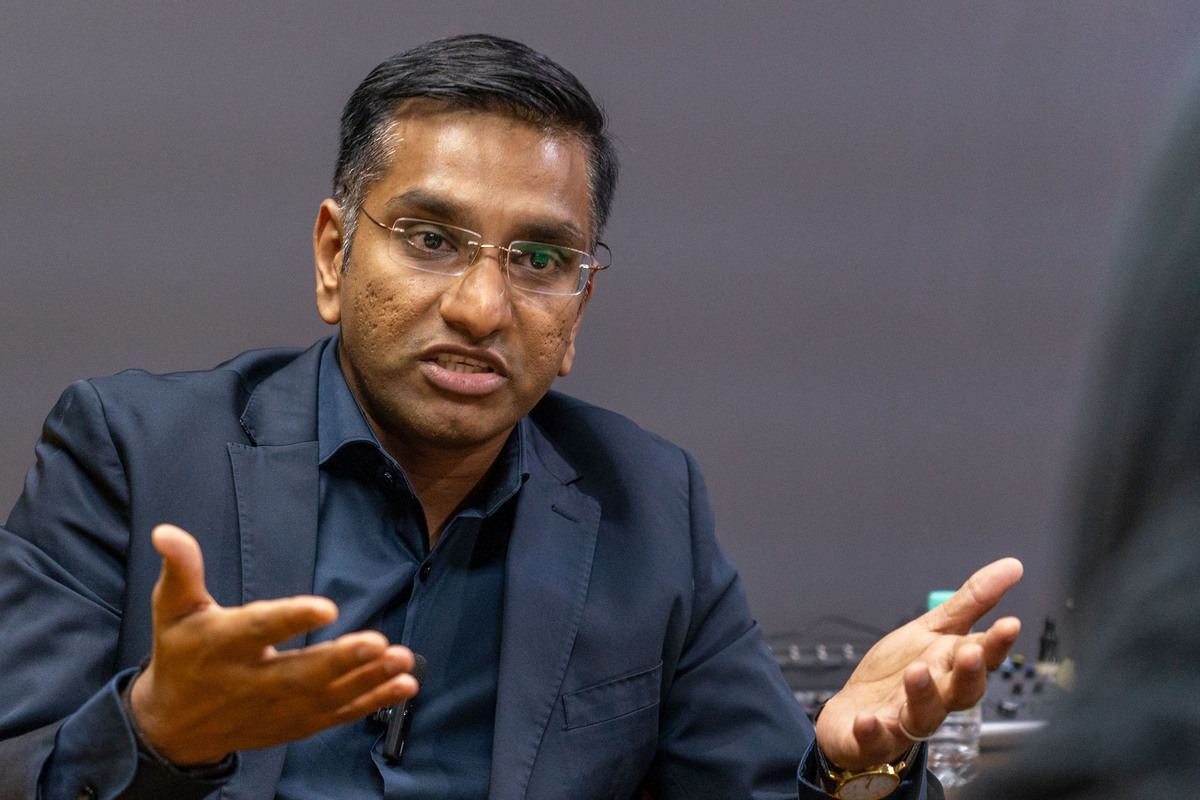
KUALA LUMPUR, July 31 — The number of people with disabilities (OKU) with autism registered with the Social Welfare Department (JKM) has increased by 23.5 per cent, or 17,742 people, in a year.
Women, Family and Community Development Deputy Minister Lim Hui Ying told Senator Dr RA Lingeshwaran in the Dewan Negara earlier today that 93,199 OKUs with autism were registered with JKM by last month, rising nearly 24 per cent from 75,457 registered in June 2025.
Dr Lingeshwaran noted that in just six months, the number of registered OKUs with autism increased by 9,614 people (11.5 per cent) from 83,585 registered in December 2025.
“This drastic increase is not merely a statistic on paper; rather, it reflects a national crisis that demands comprehensive, holistic, and cross-ministerial action with urgency,” he said in a statement.
Back in 2023, the senator highlighted excessively long waiting times for therapy appointments for children with developmental disorders in Penang, where parents and patients had to wait between six and nine months just to obtain a therapy session with rehabilitation medicine officers (audiology and speech).
At the time, the Ministry of Health (MOH) recorded only nine audiology officers in Penang at a ratio of one to 188,888 population, besides eight speech therapy officers (1:212,500).
Last September, the MOH told the senator that Malaysia only had 14 developmental paediatric subspecialists (including six in training) across all MOH hospitals to meet the needs of tens of thousands of children.
“The mandatory pre-school screening initiative deserves praise because it has successfully detected new cases at an early stage. However, screening without the capacity for prompt treatment and follow-up intervention is futile,” said Dr Lingeshwaran.
“The period between the ages of two and six years is the ‘golden window’ for child developmental intervention. Waiting six to nine months for a therapy appointment means we are depriving these children of their golden opportunity to recover and achieve independence.”
The senator called for fast-track warrants for speech therapy officers, occupational therapists, and audiology officers, as well as subsidy vouchers for B40 and M40 families to access therapy by private intervention centres.


