

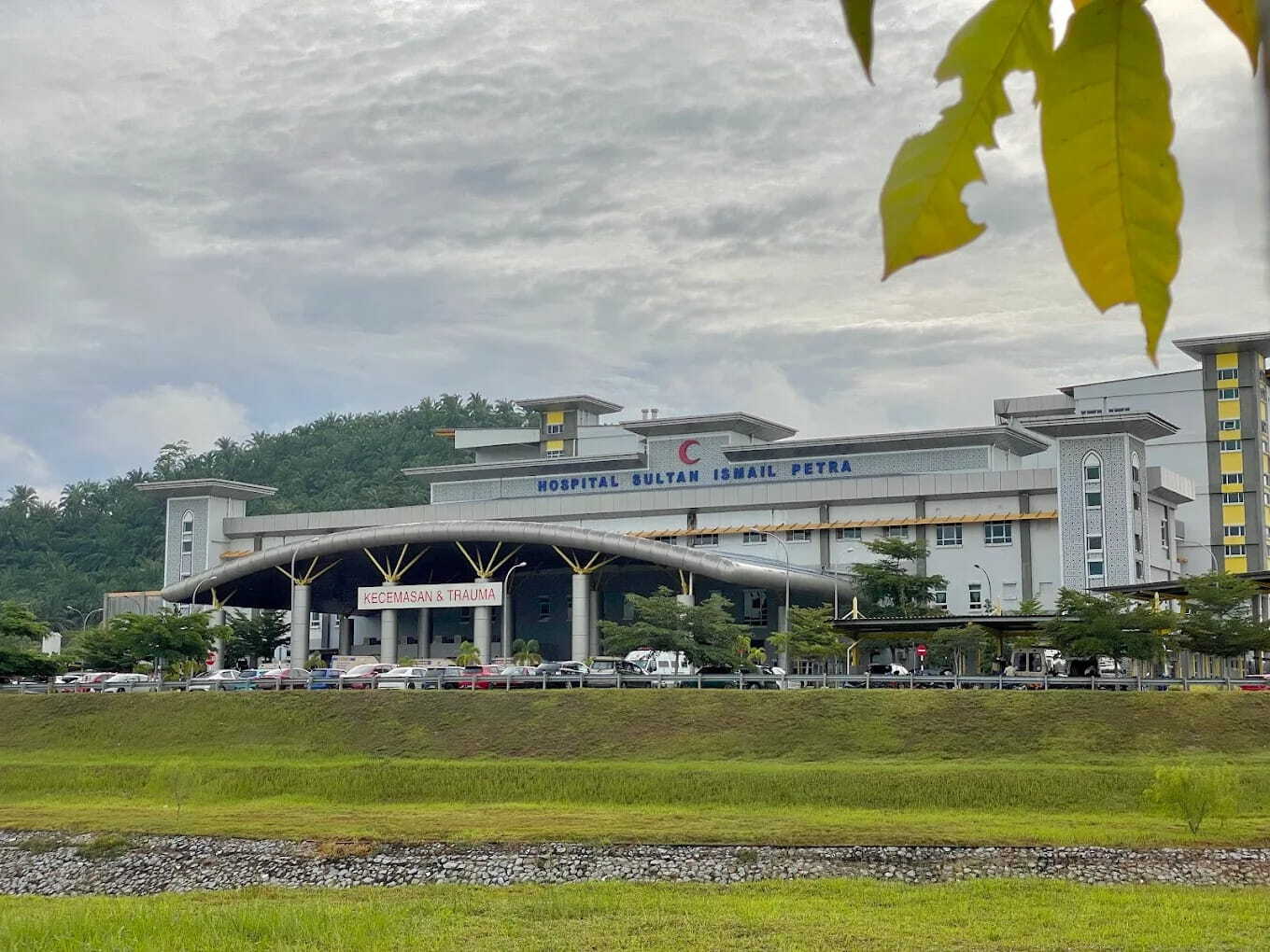
The tragic death of a house officer in Kuala Krai last week should have shaken the nation’s conscience.
Instead, it may be dangerously regarded as a new norm, a report in passing, to be treated as a brief grief, and then life goes on.
It would be kinder if we reflected on the daily life and challenges faced by house officers nationwide, fresh on the front of clinical services in designated training hospitals, after languishing for five years in tough training as an undergraduate in medical schools.
The list of responsibilities by house officers includes, but are not limited to:
- Clerk patients and enter notes for new and existing patients.
- Follow medical officer (MO), fellow, specialist, and consultant rounds to take instructions and enter notes in electronic medical records (EMR).
- Run around wards for various errands to take blood specimens.
- Set up intravenous lines for injections and IV drips.
- Run to the lab to collect blood products.
- Run to the imaging department to obtain urgent appointments for CT scans, MRI, and ultrasound-Doppler investigations.
- Perform beside clinical procedures like bladder drainage or catheterisation.
- Fill up forms for consent and obtain consent for clinical procedures on behalf of seniors.
- Attend continuous medical education (CME) sessions and prepare for presentations.
- Attend and go through evaluation sessions for off-tag and ongoing competency assessments.
- Fill up logbooks for fulfilment of full registration requirements.
- Be ready to get called up in an inquiry to explain and defend in cases when a public complaint is received by hospital administrators.
- Handle visiting relatives to handle their questions on patients in the ward.
- Communicate with doctors in other hospitals for case referrals.
All these tasks are handled during and after official working hours. “Official” working hours are six days per week, starting before 7.00am and end well after 7.00pm, possibly even beyond 10.00pm.
A day off applies for on-call duties, but the day off means only after completing essential works carried over from the night before, which means that it could drag on beyond 9.00am.
Imagine having to serve like this and working as a solo houseman to manage 30 patients during the fasting month in Putrajaya Hospital. It happens more than once. This may not be much different elsewhere.
How could a graduate from Mansura University break down in an innocent place like Sultan Ismail Petra Hospital in Kuala Krai?
Depressed, demotivated, exhausted, but yet still feeling alive and wanting to go on?
Administrators describe their meagre and half-hearted efforts to fix the perennial situation as “health reform”, with “Caring, Teamwork, Professionalism” slogans plastered on polished office walls. Seriously? This is a sheer, hollow, and pretentious slogan.
Dr Musa Nordin wrote on CodeBlue recently about recent and current threats to maintaining high-quality clinical services in the country, especially in the public sector. These go beyond the issue of financial remuneration and incentives.
The Kelantan house officer’s tragic case, yet another death, shows that the rot in the national health care system is not only at the top, but has been simmering for years even at the lowest rung of the clinical ladder.
There are stories of house officers being treated like a bunch of slaves to satisfy their masters and to maintain the glory of the oft-repeated claim of Malaysia having one of the best public health care systems in the region and even globally.
Patients pay RM1 per clinic visit and RM3 per day for third-class ward admission, while health care is free for millions of public servants and their dependents, with absolutely no political will to raise the fees.
All of the proud achievements delivered for the nation by the government through the Ministry of Health were achieved from the blood, sweat, and tears of junior health care workers, starting with first-class modern slaves called “doktor pelatih”.
When is our next reform?
Dr Ghazali Ahmad is a consultant nephrologist.
- This is the personal opinion of the writer or publication and does not necessarily represent the views of CodeBlue.


