

KUALA LUMPUR, Feb 10 — Pork importers have expressed support for Selangor relying entirely on imported pork instead of local pig farming, citing high compliance costs, land constraints, and existing import capacity.
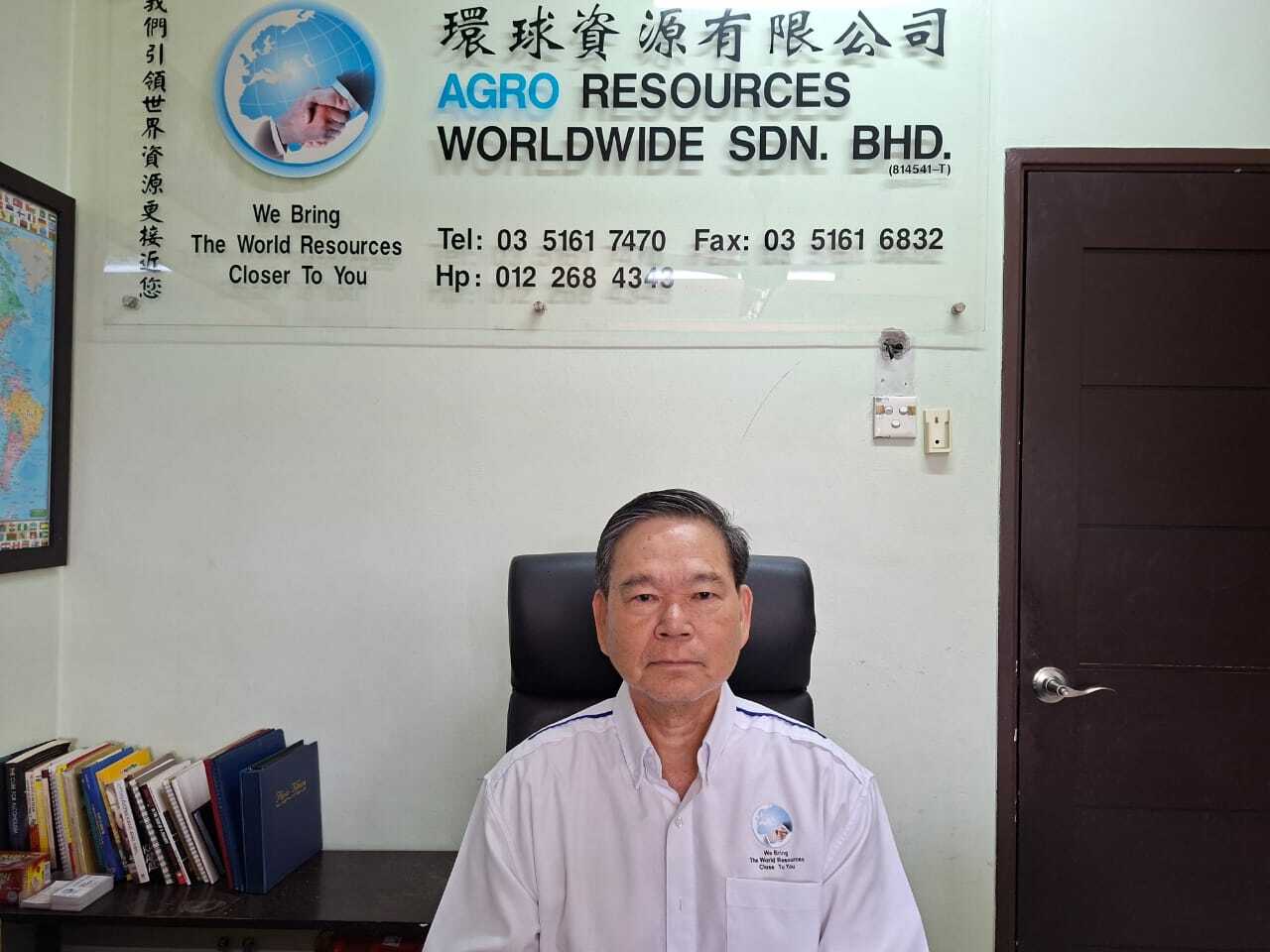
Persatuan Pengimport Produk Khinzir Malaysia (PPPKM) chairman Chong Kam Weng said the investments required for large-scale, environmentally controlled pig farms in a developed state like Selangor would not justify the returns to the public, adding that demand may not be sufficient to offset the cost of maintaining high-technology pollution controls.
“[Selangor] is already a developed state. The investments are not worth the benefits to the rakyat, and the Chinese population is not big enough to support the cost of environmentally friendly technology. I agree with Tuanku’s decree,” Chong told CodeBlue when contacted, comparing Selangor to Singapore.
In a statement released by the Selangor palace Tuesday, Sultan Sharafuddin Idris Shah called for a statewide pig farming ban, proposing pork imports to meet demand among non-Muslim communities in the state.
Selangor Menteri Besar Amirudin Shari has since announced that the state will fully rely on pork imports and cease issuing pig farming licences, with existing farms to close in stages following a Selangor executive council decision aligned with Sultan Sharafuddin’s decree.
The move effectively cancels the Bukit Tagar centralised pig farming project, with pork import licences to be issued by the federal government.
Chong argued that local farmers generally cannot afford the scale and technology needed to control pollution, adding that pig farms should be located far from residential areas.
“Tuanku is right – a pig farm must be 100km away from the nearest human residence. Selangor doesn’t have this large radius, unlike a country like Brazil,” he said.
Chong claimed that imported pork already makes up the bulk of supply, estimating that imports cover about 80 per cent of current market demand, with the remainder largely from households that prefer buying fresh local pork at wet markets.
“Actually, imported pork already covers about 80 per cent of market demand. Only some households or aunties like to buy local pork at the pasar,” he said.
Chong also described imported pork as “cheaper and safer”, alleging that local pig farming is not always properly regulated, particularly in drug usage and slaughtering practices, and said he personally only consumes imported pork.
“Imported pork is cheaper and safer to eat, as local pig farming is not properly regulated, especially in the drugs used and slaughtering methods. I have abstained from taking local pork for 18 years as I don’t trust it is safe to eat. I take imported only,” Chong said.
According to Chong, supply disruptions are unlikely as the Department of Veterinary Services (DVS) has approved 147 foreign processing plants worldwide, and importing pork is generally less costly than local production.
However, when asked whether he would support Malaysia completely relying on pork imports and shutting down the domestic pig farming industry nationwide, Chong declined to comment.
Chong previously defended DVS’ approval of pork imports from Thailand and Brazil amid concerns over African swine fever (ASF), saying food safety and consumer confidence were “non-negotiable” and that all foreign plants undergo “rigorous audits”.
However, Chong noted in his statement last Sunday that importers were not advocating long-term reliance on imports and supported modern pig farming to rebuild domestic supply, contrary to his latest statement to CodeBlue.
Malaysia’s self-sufficiency ratio (SSR) for pork plummeted from 84.6 per cent in 2022 to 69.6 per cent in 2023 due to persistent ASF outbreaks. The SSR stood at 67.8 per cent in 2024, representing the lowest level in recent years.


