

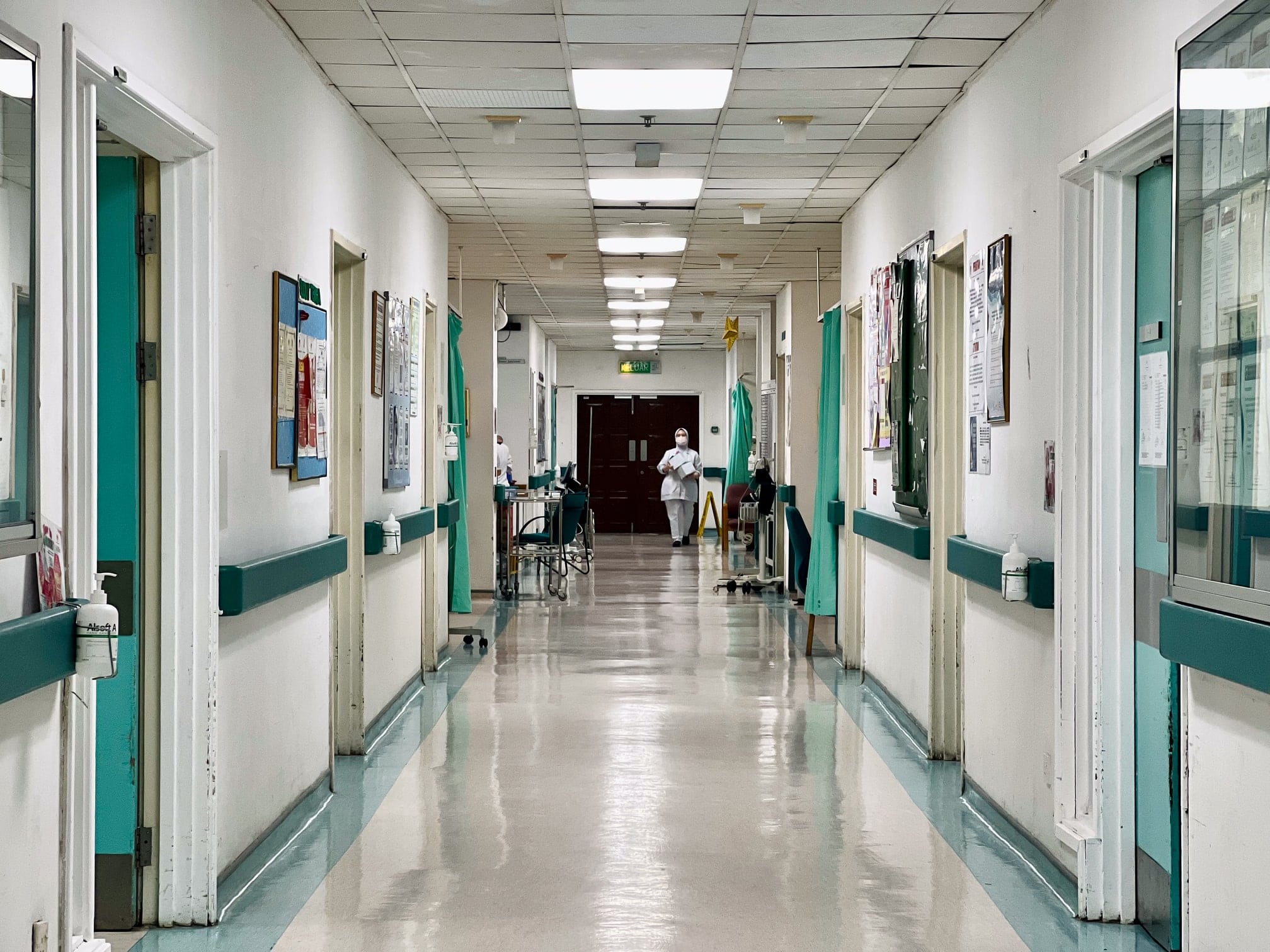
KUALA LUMPUR, Dec 12 — About 17.55 per cent of nursing positions in the Ministry of Health (MOH) were vacant as of last September, according to MOH data released in Parliament.
Health Minister Dzulkefly Ahmad told Senator Mustafa Musa in a written parliamentary reply last Monday that there were 69,494 nurses serving the MOH out of 84,286 positions. This means that 14,792 positions were vacant, with 82.45 per cent of positions filled.
“To ensure that the filling of nursing positions in MOH health care facilities across hospitals, health clinics, and institutions remains at an optimum level, the MOH targets the rate of filled nursing positions to reach at least 90 per cent across all positions in each MOH facility,” said Dzulkefly.
He attributed the shortage of nurses, especially in newly operating facilities and facilities in high-population areas, to a drop in nursing diploma trainees. In 2021, ILKKM only had 153 nursing diploma trainees, affecting the number of graduates in 2024.
The minister also noted that the creation of new positions for the operation of new or upgraded facilities was not in line with the number of nursing graduates.
From 2021 to 2024, as many as 12,925 additional nursing positions were created in the MOH. But at the same time, ILKKM only produced 4,220 nursing graduates, comprising 33 per cent of the additional positions created.
Thirdly, the actual need for nurses in certain government health care facilities exceeded the originally projected outfit and norms due to unforeseen factors, such as patient arrivals at peak times and during infectious disease outbreaks.
Based on data presented by the Public Service Department (JPA) to the Health parliamentary special select committee, the MOH had 69,395 nurses out of 84,126 positions as of December 31, 2024, with 14,731 positions vacant (17.51 per cent vacancy rate).
This means that the nursing vacancy rate in the MOH increased slightly to 17.55 per cent as of September 2025 from 17.51 per cent as of December 2024, as an additional 160 positions were created while only an extra 99 nurses entered service over the nine-month period.
To reduce the vacancy rate to 10 per cent, as Dzulkefly mentioned, assuming that the number of nursing positions remains the same at 84,286, this means that the MOH needs to hire at least 6,363 nurses, or more if existing nurses quit.
Dzulkefly told the Senate last Monday that the government has given permanent appointments to 3,254 nurses this year, besides targeting the appointments of 935 ILKKM nursing graduates as U5 nurses for next year, an increase of 53 per cent from 613 appointments in 2025.
ILKKM also took in 3,343 nursing diploma trainees this year, higher than 2,265 in 2024 and 1,667 in 2023.
More nursing graduates are expected to be produced from public and private universities, after the Ministry of Higher Education ended a moratorium on nursing diploma programmes in August 2024. Currently, five public universities and 39 private higher educational institutions offer nursing diplomas.
The appointment of U5 nurses was exempted from interim contract appointments by the central agency starting this year.
In a separate December 3 written reply to Senator Michael Mujah Lihan, Dzulkefly said 440 health care professionals from the MOH emigrated overseas from 2020 to 2024, comprising 381 nurses, 54 medical officers, and five specialist doctors.
“The MOH takes note of suggestions to increase health care worker salaries to be comparable with health sectors overseas to curb migration,” said Dzulkefly.
“However, for the time being, the salaries and incentives offered by the government to civil servants, including MOH health care workers, are in line with the country’s income and fiscal position.”
He cited the phased 15 per cent salary increase for all civil servants from December 1, 2024, besides the recent 40 per cent on-call allowance (ETAP) increase for doctors.
The health minister added that the MOH was exploring bilateral agreements with the main destination countries of Malaysian health care workers, such as Saudi Arabia, Singapore, and Australia, to ensure more “ethical” health human resource recruitment by developed countries from developing countries.


