

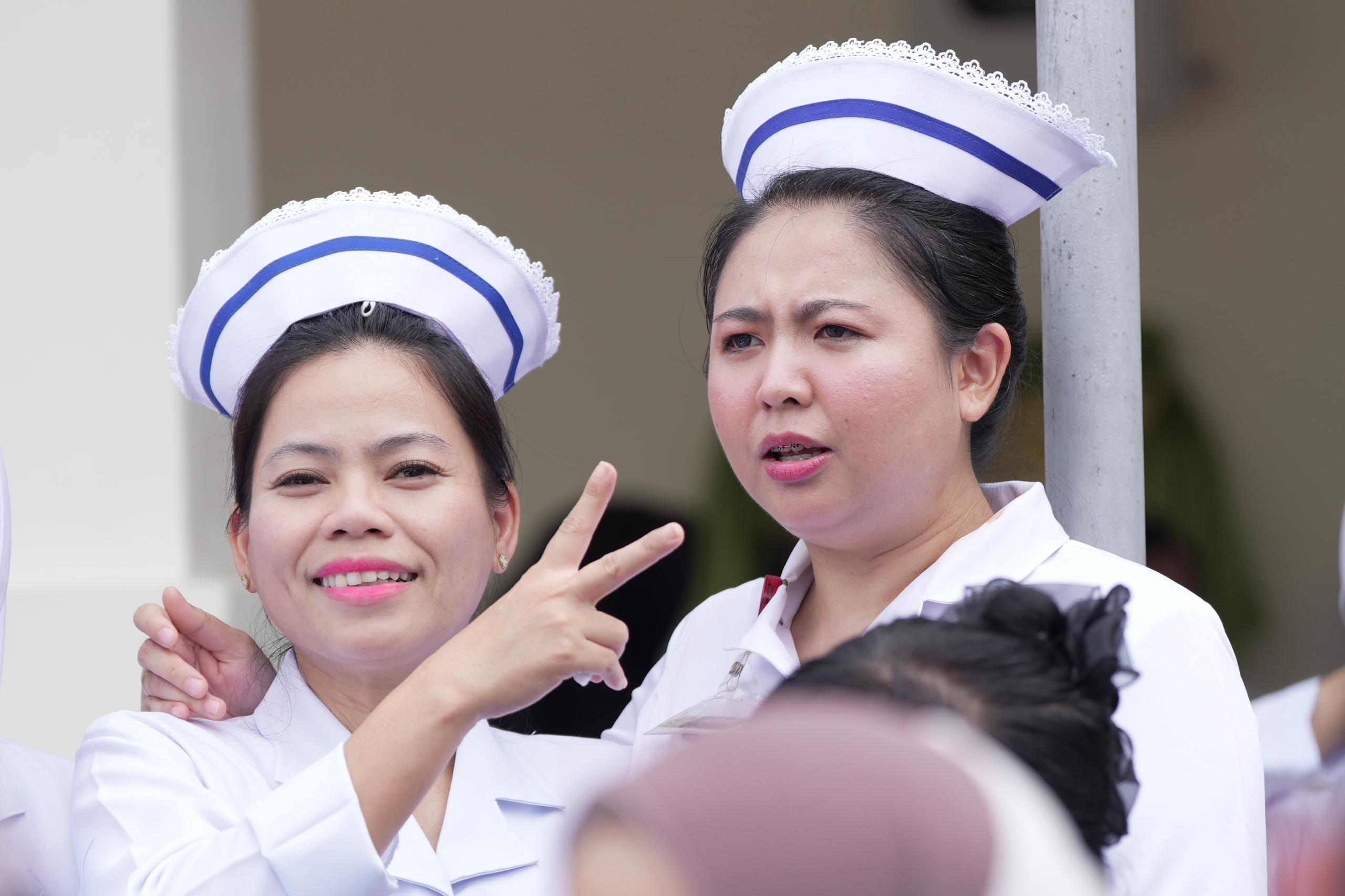
KUALA LUMPUR, Dec 16 — Only 52 nurses have successfully exchanged postings via the Ministry of Health’s (MOH) Pertukaran Suka Sama Suka (P3S) platform as of December 3.
According to MOH data released by Health Minister Dzulkefly Ahmad in a written Dewan Negara reply yesterday to Senator Dr Mohd Hatta Md Ramli, 2,972 nurses have registered profiles on P3S, comprising 1,619 nurses awaiting a match on the system, 1,301 who have yet to make an application for an exchange, and 52 who received approval letters for placement swaps.
The first phase of the P3S platform, which was launched last October 1 to enable placement exchanges online, covered nurses that comprise the biggest service scheme in the MOH, before phased expansion to other schemes next year.
“The implementation of the P3S system reflects the MOH’s commitment in supporting the welfare and wellbeing of health care workers and subsequently increasing administrative efficiency,” said Dzulkefly.
According to MOH data, there are 69,494 nurses serving the MOH. The government only managed to recruit an additional 99 nurses this year as of September.
The 2,972 nurses registering P3S profiles make up just 4 per cent of the nursing workforce in the public health service. The 52 successful swaps comprise only 2 per cent of 2,972 registered profiles.
The Delegation of Malaysian Nurses (DJM) told Utusan Malaysia recently that it estimates 2,000 to 3,000 nurses emigrating out of Malaysia annually. If attrition trends continue, DJM expects 60 per cent of nurses needed in the country to disappear by 2030.
DJM president Anwari Hamzah reportedly cited policies like the reduction in nursing colleges, additional working hours for nurses, the lack of permanent positions, the withdrawal of pensions, and relocation as factors driving nurse resignations from public service.
In a separate parliamentary reply to Senator Dr RA Lingeshwaran yesterday, Dzulkefly said the critical service incentive allowance (BIPK) isn’t given to the following service schemes: community nurses, dental surgery assistants, and health care assistants.
Under MOH, only six service schemes – medical officers, dental officers, pharmacy officers, nurses, assistant medical officers, and lecturers – are eligible to be paid BIPK.
“The proposal to expand BIPK to community nurses, dental surgery assistants, and health care assistants requires a detailed study, including reevaluation of the definition of ‘critical’ service schemes, policy impact analysis, and financial implications to the government,” said Dzulkefly.
In another written reply to Senator Mohd Hasbie Muda, Dzulkefly said there were 29,328 contract staff serving the MOH as of September 30, including 6,888 medical officers, 6,365 housemen, 20 specialist doctors, 3,202 pharmacy officers, 2,741 assistant medical officers, and 2,641 dental officers, among others.


