

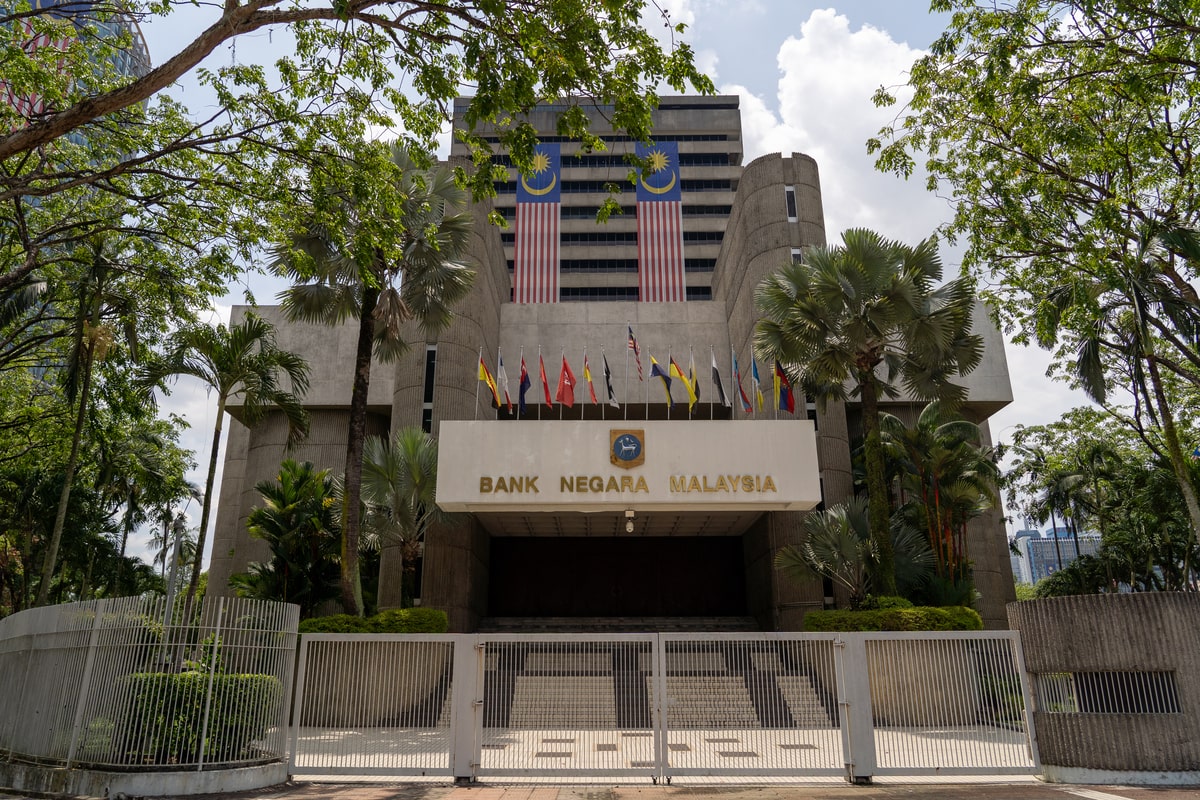
KUALA LUMPUR, Nov 10 — Bank Negara Malaysia (BNM) has requested briefings from all insurers and takaful operators (ITOs) and third-party administrators (TPAs) to explain their alleged interference with clinical decision-making.
The central bank reportedly told ITOs last week that it wanted information on various issues in health insurance, including the use of guarantee letters (GLs) for cashless facilities, the treatment process and monitoring by ITOs, and how doctors might perceive certain actions from payers as interference in their practice of medicine.
“Bank Negara is doing this because of CodeBlue news,” a highly placed source told CodeBlue on condition of anonymity as they were not authorised to speak publicly.
The source explained that BNM is asking ITOs about the process of GL issuance, as well as GL delays, denials, revocation after admission or treatment, amendments, or partial approval.
Details on how GL decisions and ITO monitoring of treatment after GL issuance are communicated among the relevant parties (ITO, doctor, patient) were requested by the central bank.
BNM, according to the source, also wants clarification on decisions by ITOs that could influence a change in a doctor’s diagnosis, proposed treatment plans, or necessity of hospitalisation that might be perceived by doctors as “clinical interference”.
These include ITOs denying coverage of diagnostic tests viewed as unnecessary, recommending cheaper treatment options, questioning a procedure or admission, dictating the treatment modality (for example, administering local instead of general anaesthesia), as well as denying or reducing the reimbursement amount after patient discharge for reasons like “not clinically justified”.
The source said BNM is requesting for actual case examples for all of these issues.
“I think it’s a good move by Bank Negara,” the source told CodeBlue. “If you’re regulating insurance companies and people are complaining, then it’s good to check which ITOs are incompetent.”
CodeBlue recently published its nationwide survey among 855 private specialists on health insurance issues that found 99 per cent perceiving ITO or TPA interference with their clinical decision-making, including many who complained about “deny, delay, revoke” health insurance tactics.
About 73 per cent of respondents reported that their patients were forced to switch to public hospitals due to insurance denials or delays, contradicting the government and BNM’s objective of promoting private health insurance to reduce the burden on the public health care system.
Only 4 per cent said their patients could afford to pay and claim or pay out of pocket for treatment in private hospitals.
CodeBlue also reported a November 1 GL by MediExpress (Malaysia) Sdn Bhd, a TPA, that rationed care to a maximum of one physician visit a day for both surgical and non-surgical admissions.
This falls short of the standard of care in the Ministry of Health (MOH). Doctors in the public service told CodeBlue that government hospitals provide unlimited doctors’ visits, with warded patients generally receiving at least two to three reviews per day. Acutely ill, intensive care unit (ICU), and post-surgery patients receive more frequent doctors’ visits.


