

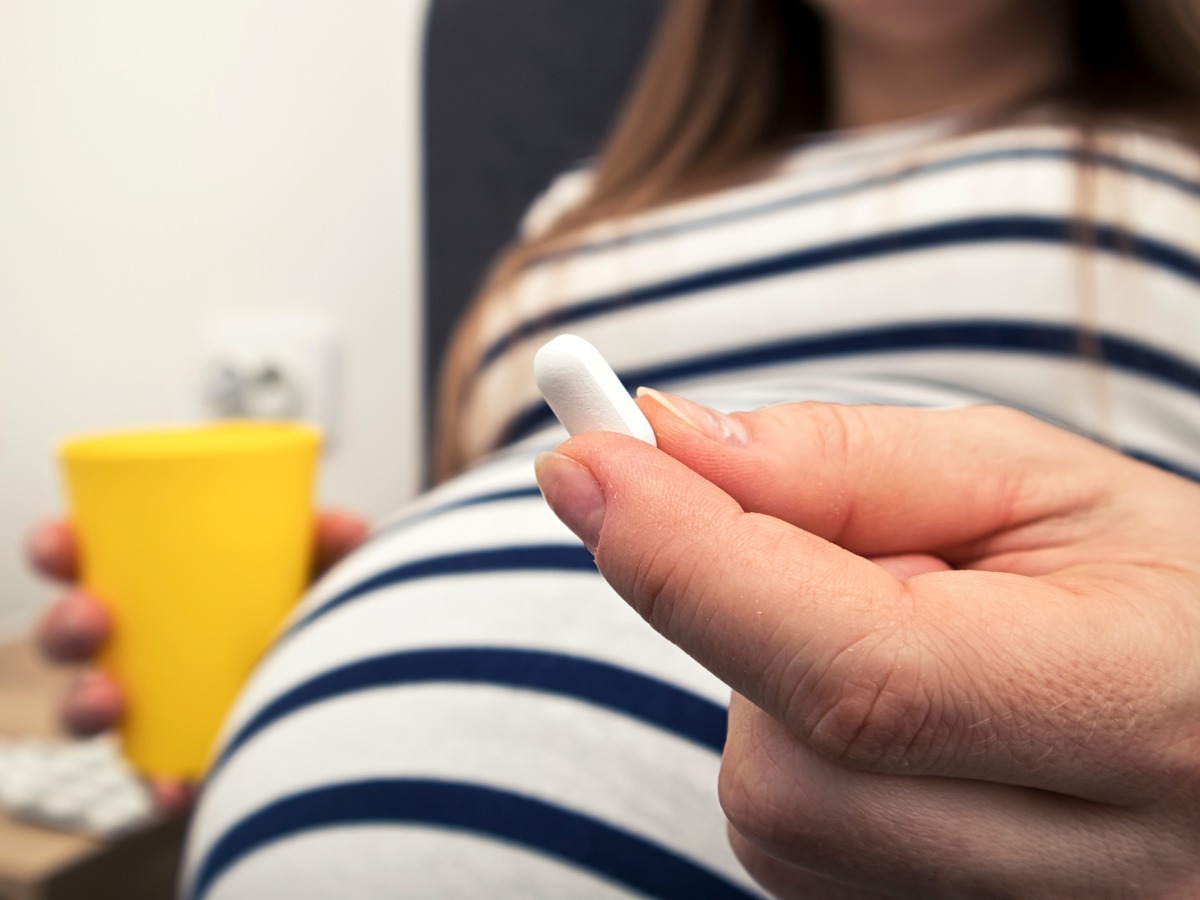
Recently, United States President Donald J Trump and Human and Health Secretary Robert F Kennedy Jr stated that the use of paracetamol (acetaminophen, also marketed as Tylenol) by pregnant mothers causes autism in children.
These comments have generated considerable public anxiety, and it is our professional responsibility to clarify the scientific evidence and protect both mothers and children from unnecessary harm arising from misinformation.
It is important to emphasise that the research studies being cited in the US do not demonstrate causation, but only association. Observational cohort studies have shown that mothers who reported paracetamol use in pregnancy, have had children later diagnosed with neurodevelopmental disorders such as autism or attention deficit hyperactivity disorder (ADHD).
However, such studies are limited by confounding factors — for example, fever or infection in pregnancy, genetics, prematurity, or socio-demographic conditions — all of which are themselves risk factors for developmental problems.
Association in these kinds of studies does not prove that the medication is the direct cause.
When stronger research designs are applied, the claim of causation does not hold. In particular, a large sibling-control study published in JAMA compared children born to the same mother where one pregnancy involved paracetamol exposure and another did not.
This more rigorous analysis found no increased risk of autism, ADHD, or intellectual disability, strongly suggesting that previous associations were due to family-related confounding and not to the medication itself.
Regulatory bodies such as the US Food and Drug Administration (FDA) and professional groups including the American College of Obstetricians and Gynecologists (ACOG) have reviewed these findings.
Their position is clear: the evidence remains inconclusive, and while ongoing research is needed, paracetamol remains the recommended first-line treatment for fever and pain in pregnancy when clinically indicated.
Their cautious updates and reviews of product labels reflect a commitment to transparency and safety, not confirmation of a causal link between paracetamol and autism.
We must also remember that untreated fever and severe pain in pregnancy carry established dangers. Persistent high fever in early pregnancy has been linked to neural-tube defects and other complications, and unmanaged pain may increase stress and poor maternal outcomes.
50Advising mothers to “tough it out” without medication, as suggested by some politicians, is not only unscientific, but also potentially harmful. Clinical practice continues to support the use of paracetamol at the lowest effective dose and for the shortest necessary period as the safest option available.
Alternatives to paracetamol are not benign. Non-steroidal anti-inflammatory drugs (NSAIDs), such as ibuprofen and naproxen, are discouraged after 20 weeks of pregnancy because of well-documented risks, including fetal kidney impairment and reduced amniotic fluid, and late use can cause premature closure of the ductus arteriosus in the fetus.
Opioid medications, meanwhile, carry serious concerns including dependence, neonatal abstinence syndrome, and preterm birth, making them unsuitable as routine substitutes. In comparison, paracetamol remains by far the safest and most appropriate analgesic and antipyretic option in pregnancy.
Therefore, we urge the public, especially pregnant women, not to alter their medication practices based on unverified political statements. Pregnant mothers should always consult their health care providers before starting or stopping any medication.
The consensus of medical evidence, backed by major professional organisations, is that paracetamol is safe when used responsibly and remains the standard of care for treating pain and fever in pregnancy.
As paediatricians, and as Muslims committed to the principle of protecting life and preventing harm, we stress that spreading unverified claims about medicines can create unnecessary fear, lead mothers to avoid appropriate treatment, and ultimately expose both mothers and children to greater health risks.
Public figures and policymakers bear a responsibility to communicate health information accurately, based on science and not conjecture.
In conclusion, the statement that asserts paracetamol causes autism is not supported by scientific evidence. What has been shown is only a loose association, which disappears when more rigorous research methods are applied.
The risks of untreated fever and pain in pregnancy are real and proven, while the alternatives to paracetamol are in many cases unsafe. Pregnant mothers should feel reassured that the careful, clinician-guided use of paracetamol continues to be safe, effective, and recommended.
This statement was issued by doktorbudak.com president Dr Fahisham Taib (senior lecturer and paediatrician at Universiti Sains Malaysia) and Dr Syed Abdul Khaliq, consultant paediatrician and neonatologist at Assunta Hospital. Doktorbudak.com is a coalition of paediatricians.
- This is the personal opinion of the writer or publication and does not necessarily represent the views of CodeBlue.


