

The proposed Paramedic Practitioners Bill is a timely step to update and strengthen the regulation of the medical assistant profession, which has long operated under an outdated framework.
Medical assistants have been central to Malaysia’s health care system for decades, yet they remain the unsung heroes in the shadows, while the law governing them has not kept pace with their evolving responsibilities.
According to the Ministry of Health’s (MOH) consultation paper, the Bill seeks to give the Medical Assistant Board (LPP) greater powers in governance and regulation.
Among its provisions are recognition of specialisations, temporary practice certificates for foreign practitioners, competency monitoring to safeguard patient safety, disciplinary powers to curb malpractice, and enforcement measures to tackle fake or unregistered practitioners.
These reforms are necessary to protect patients and to raise the standing of medical assistants in line with international standards.
While MCA welcomes this progress, we must also emphasise that the Bill should not only focus on regulation, but also on the welfare and recognition of medical assistants themselves.
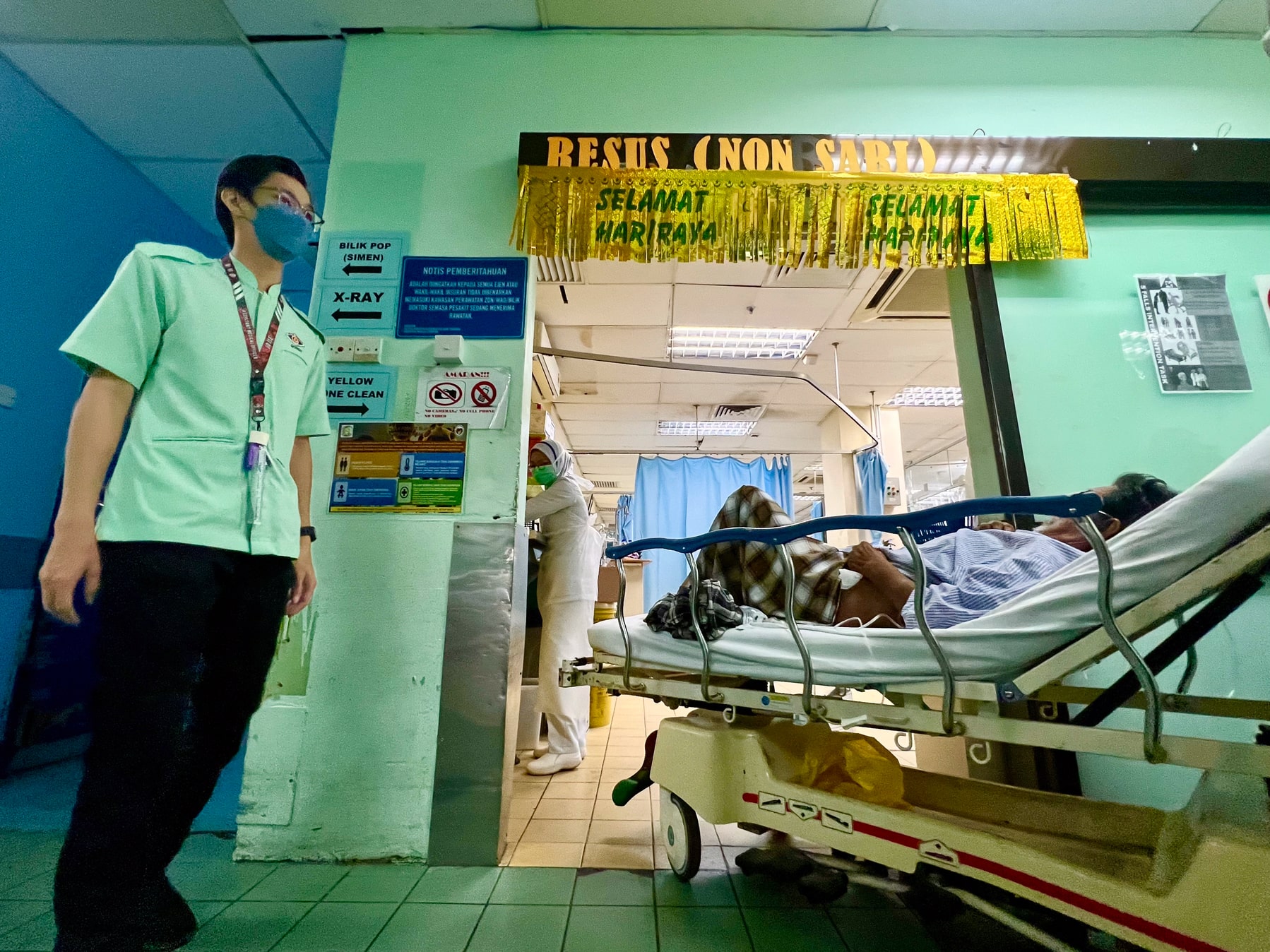
They are often the first responders in emergencies, stabilising accident victims and making split-second decisions that save lives. Beyond this, they support doctors and nurses in procedures, manage equipment, conduct tests, and carry out vital public health work in the community.
Their contribution, however, extends far beyond clinical tasks. Medical assistants endure long and irregular hours, the emotional toll of high-pressure situations, and the unseen labour, such as preparation work and logistical support, that keeps hospitals and clinics running smoothly.
This is demanding and essential work that deserves and acknowledgement of dignity and respect.
It is also hoped that current diploma course for medical assistants will be upgraded to degree level, with newer medical technologies on treatment and care inserted into the course to reflect the professionalism of duties undertaken.
For this Bill to succeed, it must strike a balance: ensuring professional accountability while also uplifting those who serve at the frontline of health care.
MCA urges the MOH to engage medical assistants meaningfully in this process so that their voices and experiences directly shape the law.
At the same time, we stress that its ultimate measure of success will not only be stronger governance, but also whether it empowers and honours medical assistants in carrying out their crucial duties to the rakyat.
Dr Mah Hang Soon is MCA deputy president.
- This is the personal opinion of the writer or publication and does not necessarily represent the views of CodeBlue.


