

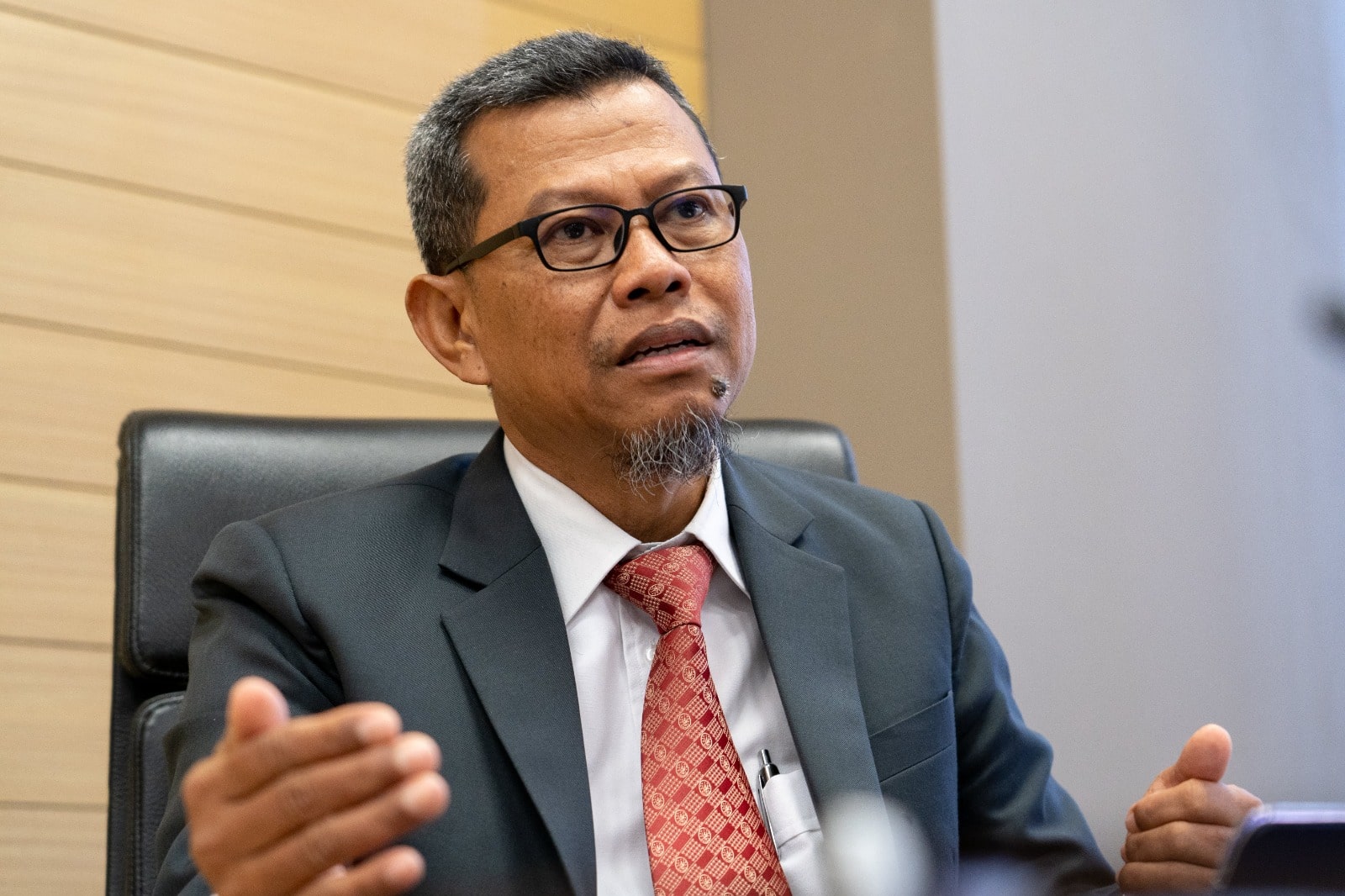
KUALA LUMPUR, Sept 30 — Like Dewan Rakyat Speaker Johari Abdul, Kuala Langat MP Dr Ahmad Yunus Hairi disagreed with slashing MPs’ allowances to pay for an increase in doctors’ on-call allowance (ETAP).
However, unlike Johari who engaged in whataboutism instead of supporting an ETAP increment, Dr Ahmad Yunus suggested that revenue from pro-health taxes like tobacco, vape, sugar-sweetened beverages (SSB), and alcohol be reallocated to fund the on-call allowance raise.
“Doctors’ on-call allowance should be increased to a level that is commensurate with their workloads,” Dr Ahmad Yunus told CodeBlue.
“But MPs’ allowances shouldn’t be cut. Even though it looks like a big amount, it’s used to give donations requested by the people, especially Opposition MPs who have no parliamentary allocations whatsoever to help the people.
“We can only rely on our MPs’ allowance; even that is insufficient for contributions, allowance for assistants, rental of service centres etc.,” added the PAS lawmaker and head of Perikatan Nasional’s (PN) health committee.
Johari was widely condemned by health care workers and the general public alike for his comments during a BFM radio interview, where he dismissed CodeBlue’s proposal to cut MPs’ and senators’ allowances and pensions by 50 per cent to fund a 25 per cent ETAP increase, estimated to cost RM80 million annually.
The Speaker of the House of Representatives also said a backbencher MP’s monthly allowance of about RM25,000 wasn’t enough because elected representatives were obliged to give donations to their constituents, unlike doctors who could keep “100 per cent” of their salary.
Johari added that although government MPs receive more than RM2 million in constituency allocations annually, these funds don’t personally belong to legislators as they’re managed by a central agency. Opposition MPs do not get any constituency development funds.
When asked for suggestions to fund an on-call allowance increment for medical officers, since he disagreed with cutting MPs’ allowances, Dr Ahmad Yunus pointed to revenue from pro-health taxes.
Finance Minister Anwar Ibrahim, who is also the prime minister, said in a written Dewan Rakyat reply last month that the government collected about RM15 billion in cigarette taxes from 2021 to July 2025, besides about RM288 million from taxes on e-cigarette and vape devices and liquids in the same period.
The RM15.3 billion tobacco and vape tax revenue works out to about RM3.3 billion a year on average.
Currently, pro-health taxes like tobacco, vape, SSB, and alcohol all go into the federal consolidated fund. Anwar previously said that vape tax revenue couldn’t be earmarked for health.
Health Minister Dzulkefly Ahmad said recently that the Ministry of Health (MOH) was considering establishing a National Health Fund financed by pro-health taxes.
Revenue from tobacco and vape taxes is more than enough to fund even a 173 per cent increase in on-call allowances for a new ETAP rate of RM25 per hour (RM600 per shift), as demanded by the Malaysian Medical Association (MMA).
Medical officers are currently paid RM9.16 per hour, or RM220 per shift for a weekend active call.
On-call claims for medical and dental officers cost the MOH about RM288 million a year, according to Dzulkefly. A 173 per cent or RM380 increase requires an additional RM498 million in funding.
The health minister said the MOH was finalising a proposal for an ETAP increase that will be tabled to the Cabinet for approval in Budget 2026 that is scheduled to be tabled in Parliament on October 10, but did not specify the proposed rate.
The government previously allocated in Budget 2025 a 25 per cent increment in on-call allowance rates, or a raise of RM55 to RM65 for medical/dental officers and specialists respectively.
But this was never implemented as the ETAP increase was tied to the unpopular Waktu Bekerja Berlainan (WBB) shift system pilot project that the Cabinet axed in January.
When asked what rate of increment he supported, Dr Ahmad Yunus said he supported the previous rate allocated in Budget 2025.
“The health minister promised to increase ETAP in phases. There should have been a Cabinet decision, but there’s no news yet till now.”
He added that the government should give higher allocations to the MOH based on the ministry’s real need, in response to health care workers saying that they frequently use their own money to meet facility needs in public health clinics or hospitals due to limited budgets.


