

At the height of the Covid-19 pandemic, a scruffy-looking foreign worker turned up in front of a GP (general practitioner) clinic. He looked frail, was unshaven, his dirty looking T-shirt was a torn, and he was weak from days of endless coughing.
Clutched in his hands was a crumpled plastic bag with an empty bottle of what looked like cough mixture.
The clinic nurse, dressed in her personal protective equipment (PPE) with full mask, informed the GP about this patient, and asked whether to let him into the clinic or not.
This was the time when a strict movement control order (MCO) was enforced. The Covid-19 vaccine was still unavailable, and every week, we learnt how deadly Covid was with constant fatality updates by the Ministry of Health (MOH).
When the worker saw the GP opening the clinic door to try to assess him, he opened his other hand slowly, unable even to talk because of the incessant coughing, and showed a very small gold pendant.
He stood there shivering from the fever, obviously out of any resources or cash, ready to pawn perhaps the only piece of gold he ever owned to seek further treatment.
The GP spend some time assessing him outside the clinic door, fully masked up with PPE, afraid that the worker might have full-blown Covid-19. and might infect the GP or clinic staff members. Yet, the doctor still had to perform his duty.
Despite all efforts in persuading the patient, the GP was unable to get him to go to the nearest Covid quarantine centre.
Finally, the worker was given whatever treatment was available, told to keep his pendant, and asked to come back again when he felt better and could pay. The entire consultation was done in front of the main door of the clinic, and an umbrella shielded the patient as it started raining.
Then, post-pandemic, there was a foreign lady who had a lump in her breast for months, but had very little resources to have it assessed and get treated if necessary.
The GP had to call around a few medical centres to try to find where she could get assessed by a specialist, and finally got one, who then did a biopsy, and found out she had cancer.
The GP received the result from the specialist and had to recall the patient to explain the diagnosis to her. Being a foreigner, she was unable to afford any further treatment.
The GP then had to write a referral letter for her to bring back to her country of origin for further treatment as soon as possible.
There was also a local lady who repeatedly came to see the GP for multiple minor complaints. Due to the strong doctor-patient relationship that developed, the GP was able to find out that these minor health complaints were actually signs of long-term marital abuse by her spouse. The GP was then able to refer her for social and psychiatric help for severe physical and mental trauma.
Eventually, the abuse stopped, and she separated from her spouse, and received appropriate counselling support.
To this day, the patient still goes back to that particular GP for every health-related event in her daily life, knowing that the GP will always be there to support her.
These are just some of the stories that GPs throughout the country have been doing for decades, providing critical treatment when it matters, making sure a patient gets treatment as soon as possible for life-threatening illnesses, or simply being a source of support that patients need at critical junctures of their lives.
These acts of humanity, healing, and care cannot be measured by the prices of medicines, percentage markups, or even a prescription.
It’s best that policymakers try to understand deeply and thoroughly what it means to be a GP and what GP care means to patients, communities, and nation as a whole.
Only then would solutions that nurture rather than strangle, smoothen rather than obstruct, and build rather than tear down what is an integral part of Malaysian health care can be formulated. The government has so far invested negligible resources in GP care, yet this same care has yielded immense benefits for decades.
It’s time to rethink what truly needs to be done to support GPs, who have been a pillar of Malaysian health care since independence, rather than treating GP care as a retail practice.
Don’t dismantle this critical part of health care that millions of Malaysians and their families have benefited from for generations.
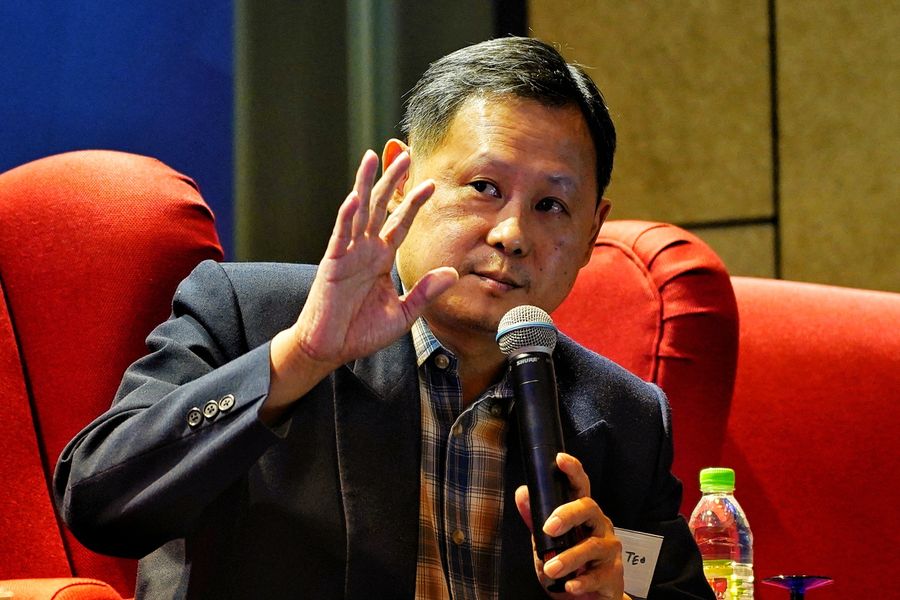
CodeBlue republished this with permission from the author’s Facebook post. Dr John Teo is a consultant obstetrician and gynaecologist in private practice and a health care activist based in Kota Kinabalu, Sabah.
- This is the personal opinion of the writer or publication and does not necessarily represent the views of CodeBlue.


