

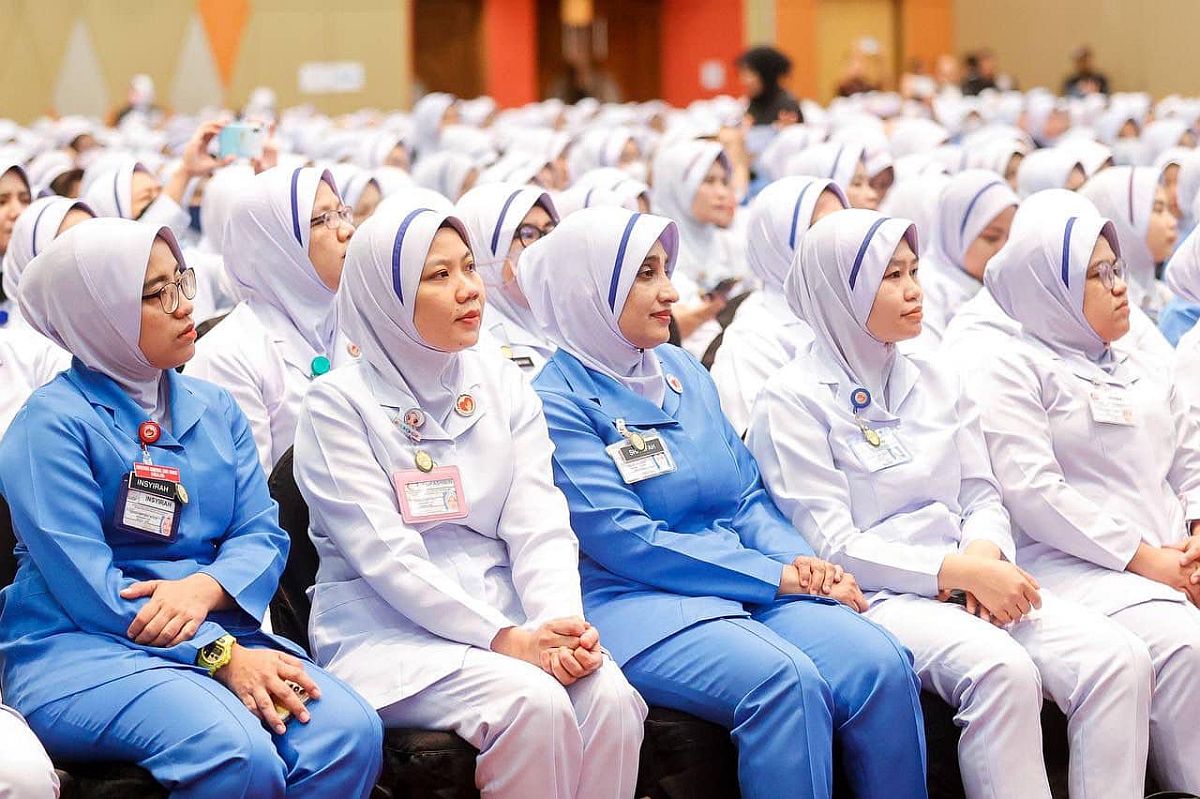
The nursing profession has long been associated with resilience, compassion, and the ability to cope under pressure.
However, recent observations from clinical educators and academic institutions have revealed an emerging trend: increasing levels of exhaustion among nursing students during their clinical placements.
This shift raises important questions about the future of nursing and how well current training models align with the needs of a new generation.
Today’s nursing students face a demanding curriculum that combines rigorous academic content with hands-on clinical practice. While this structure is designed to prepare students for the realities of the healthcare environment, many are struggling with fatigue, mental stress, and burnout before they even graduate.
Unlike previous generations who were expected to “push through” without complaint, today’s students are more likely to acknowledge their emotional and physical limits.
One contributing factor to this shift is the growing awareness around mental health. Students are more educated about the importance of psychological well-being and are increasingly vocal about needing rest and support.
However, while this awareness is crucial, it also highlights a mismatch between student needs and the structure of current clinical training.
Many placements still involve long hours, emotionally intense situations, and limited support mechanisms, placing students under considerable strain.
Additionally, lifestyle and generational differences may also play a role. The current cohort of students, often referred to as Generation Z, places a high value on mental health, work-life balance, and emotional well-being.
While this perspective is commendable, it can conflict with the high-pressure demands of traditional nursing education, which has historically emphasized endurance and self-sacrifice.
The question now is: where is the future of nursing heading? If increasing numbers of students are feeling overwhelmed even before entering the workforce, educational institutions must take steps to review and revise their approach.
Integrating structured support systems, offering mental health education, and allowing reasonable rest periods during placements could be crucial in preventing early burnout.
The future of health care depends on a strong, competent, and resilient nursing workforce. To ensure that student nurses are prepared for the realities of practice without compromising their well-being, it is essential to strike a balance between professional expectations and human needs.
By acknowledging these challenges and adapting accordingly, the nursing profession can build a healthier foundation for the generations to come.
V Tulasi Dewi is a lecturer at the Faculty of Medical Life Sciences, School of Nursing, Sunway University.
- This is the personal opinion of the writer or publication and does not necessarily represent the views of CodeBlue.


