

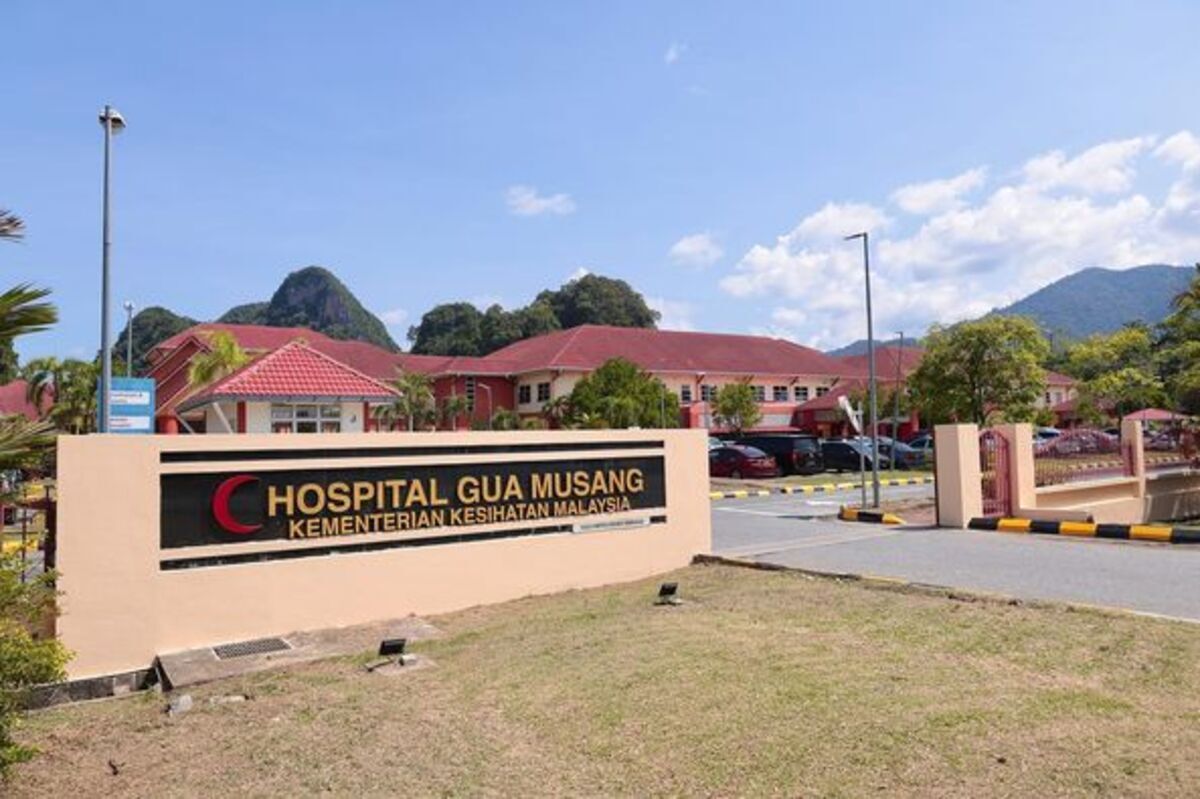
I am writing to highlight the critical situation at Gua Musang Hospital in Kelantan — a rural, minor specialist hospital recently upgraded from a district-level facility.
This upgrade, while commendable in name, was not matched with the essential reinforcements in staffing, infrastructure, and system support. As a result, the health care team here continues to operate under unsustainable pressure, with no clear relief in sight.
Gua Musang Hospital serves a large population in a remote part of Kelantan. Despite the geographical challenges and increasing responsibilities, our health care personnel do not receive any rural or hardship incentives, a basic recognition that is typically extended to those in similar postings. The workload we carry is disproportionate to our staffing and resources, and morale is rapidly declining.
The reality on the ground is deeply concerning:
- In the ICU, one nurse is tasked with managing three critically ill patients.
- In the multidisciplinary ward, 10 nurses cover two full wards, with 50 to 60 patients in total across three shifts daily.
- In the labour room, three nurses per shift must manage deliveries, newborns, and patients at the In-Patient Assessment Centre, simultaneously.
- In the paediatric ward, three nurses are assigned to care for 40 children, including those with complex conditions, as well as in clinics
- Only 39 medical officers cover nine different specialties, with 12 to 13 on-calls monthly per officer (active and passive).
We also operate a radiology department equipped with ultrasound and CT scan services. However, due to a severe shortage of radiographers, the few available staff are pushed to the brink. Can you imagine the level of exhaustion they face, carrying the load of an entire department under increasing demand?
At the same time, we are expected to expand our services — including the opening of a Neonatal Intensive Care Unit (NICU) and additional operating theatres. These developments are essential for improving outcomes and reducing dependency on distant tertiary centres.
As it stands, patient transfers are risky and time-consuming, often requiring our already-stretched medical officers to travel long distances, bearing not only the logistical burden but also legal and ethical responsibilities.
Another pressing issue is the effect of the contract-to-permanent placement process. While we support efforts to secure permanent positions for health care workers, the transition often leads to critical gaps in staffing.
For example, during recent placements of permanent medical officers and medical assistants, we were left severely short-staffed, especially in clinics and the emergency department.
This staffing vacuum has resulted in longer waiting times, delayed care, and frequent complaints from patients’ families about the quality and efficiency of our services.
We acknowledge and appreciate the efforts of our heads of department and hospital leadership, who have been working hard to push for additional staffing and resources.
However, to date, we are still left waiting in uncertainty for official approval and action from the Kelantan State Health Department (JKNK) and the Ministry of Health (MOH).
It is worth noting that Health Minister Dzulkefly Ahmad visited our hospital on August 1, 2024, bringing hope with several promises made during the visit. Yet, as of today, no tangible changes have been implemented. The gap between what was promised and what has been delivered continues to widen.
We are proud to serve our community, but we cannot continue doing so without proper support. It is not just about upgrading a hospital’s status — it is about equipping the people who run it, so that they can deliver safe, quality care.
We humbly and urgently call upon the relevant authorities to:
- Increase staffing across all units by increasing the number of permanent posts.
- Allocate resources for service expansion.
- Recognise the rural challenges with appropriate incentives.
- Follow through on previous commitments.
Let us not wait for a crisis to act. Support us now, so that we can continue supporting the people of Gua Musang.
The author is a medical officer at Gua Musang Hospital. CodeBlue is providing the author anonymity because civil servants are prohibited from writing to the press.
- This is the personal opinion of the writer or publication and does not necessarily represent the views of CodeBlue.


