

KUALA LUMPUR, March 14 — The mandatory display of drug prices at private general practitioner (GP) clinics, hospitals, and community pharmacies will be enforced under the Price Control and Anti-Profiteering Act 2011 (Act 723) starting May 1.
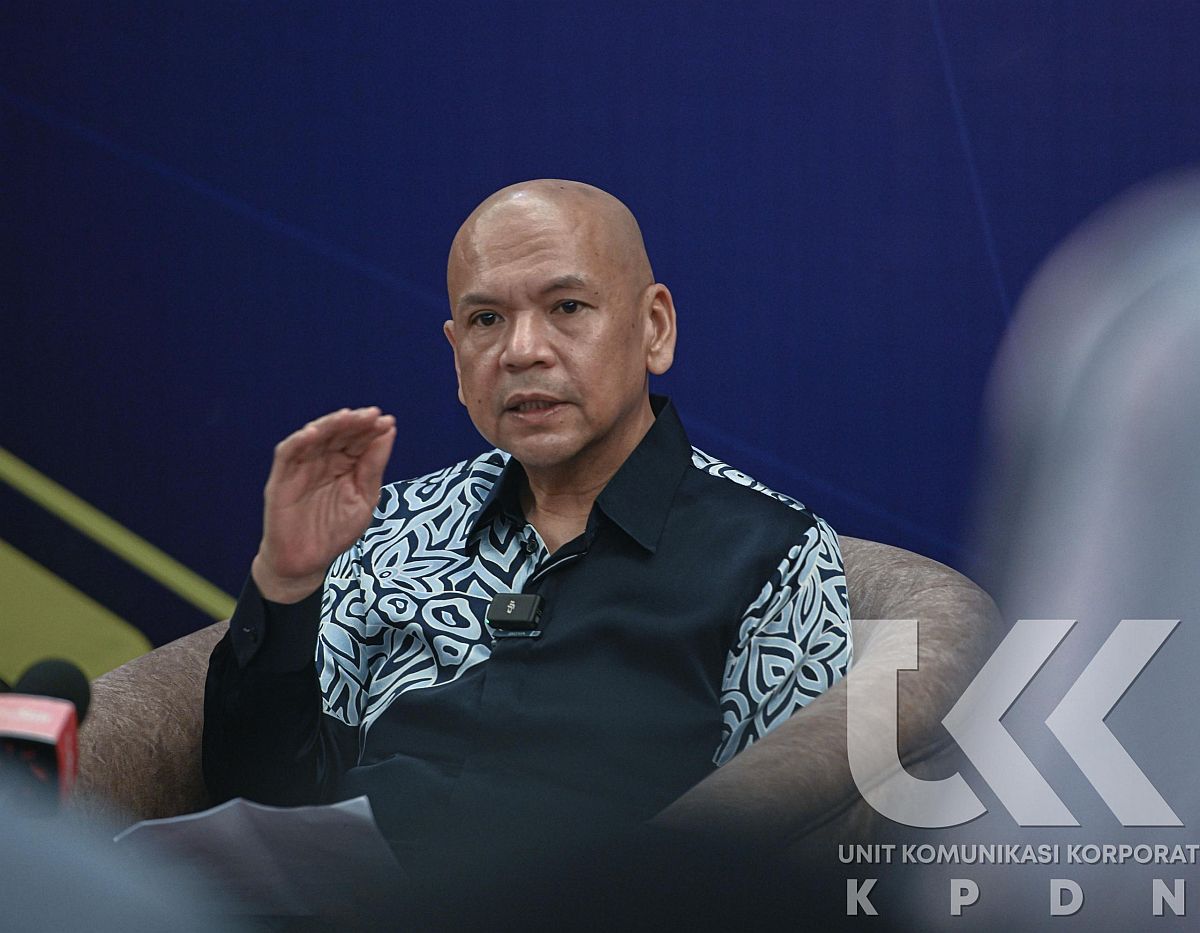
Domestic Trade and Cost of Living Minister Armizan Mohd Ali, responding to concerns over KPDN’s role in drug price regulations, said Act 723 provides the ministry with legal authority to mandate price displays for goods and services.
“As we know, Section 10 of Act 723 grants the KPDN minister the power to require any party selling goods or offering services to display prices. Since health care facilities provide services and sell medicines, we can use Act 723 to enforce price display orders,” he told reporters today at the launch of the 2025 Consumer NGO Day in Putrajaya.
Armizan said the decision was part of discussions under the National Action Council on Cost of Living (Naccol), chaired by the prime minister and coordinated by KPDN, before being endorsed by the Cabinet.
“I hope all stakeholders understand the rationale behind this mechanism for price transparency. Our high medical inflation rate is linked to our cost of living. It also involves universal consumer rights—the right to choose and the right to information,” Armizan said.
The Malaysian Medical Association (MMA) previously questioned the use of Act 723, arguing that private clinics are already regulated under the Private Healthcare Facilities and Services Act 1998 (Act 586).
The MMA maintained that Act 586 should remain the sole legal framework for regulating medical practice, as GPs are not retailers but prescribe and dispense medicine following consultations.
Defending the move, Armizan described price display requirements as a “quick win” measure that does not involve substantial financial costs while addressing medical inflation, which stands at 15 per cent in Malaysia this year, compared to 10 per cent in Asia-Pacific and 11 per cent globally.
“Whenever we discuss the cost of living, we often focus on market prices of goods but overlook other key expenses, such as housing loans, transport, utilities, and rising medical costs—not just clinic fees but also insurance premiums. We need to address this issue,” he said.
On implementation, Armizan said an order under Act 723 would mandate private health care facilities to display drug prices at their premises.
“Although the Act is under KPDN’s jurisdiction, we are waiting for the Ministry of Health (MOH) to finalize the draft order and set its enforcement date,” he said.
Armizan also urged consumer groups to pressure industry stakeholders to comply with the price transparency mandate.
“The government has established the policy. Its success depends not only on enforcement but also on the role of consumers as a pressure group—not just against the government but also against businesses and market players,” he said.
“That is my challenge to consumer associations—to prove their effectiveness in ensuring that this decision is implemented for the benefit of all.”


