

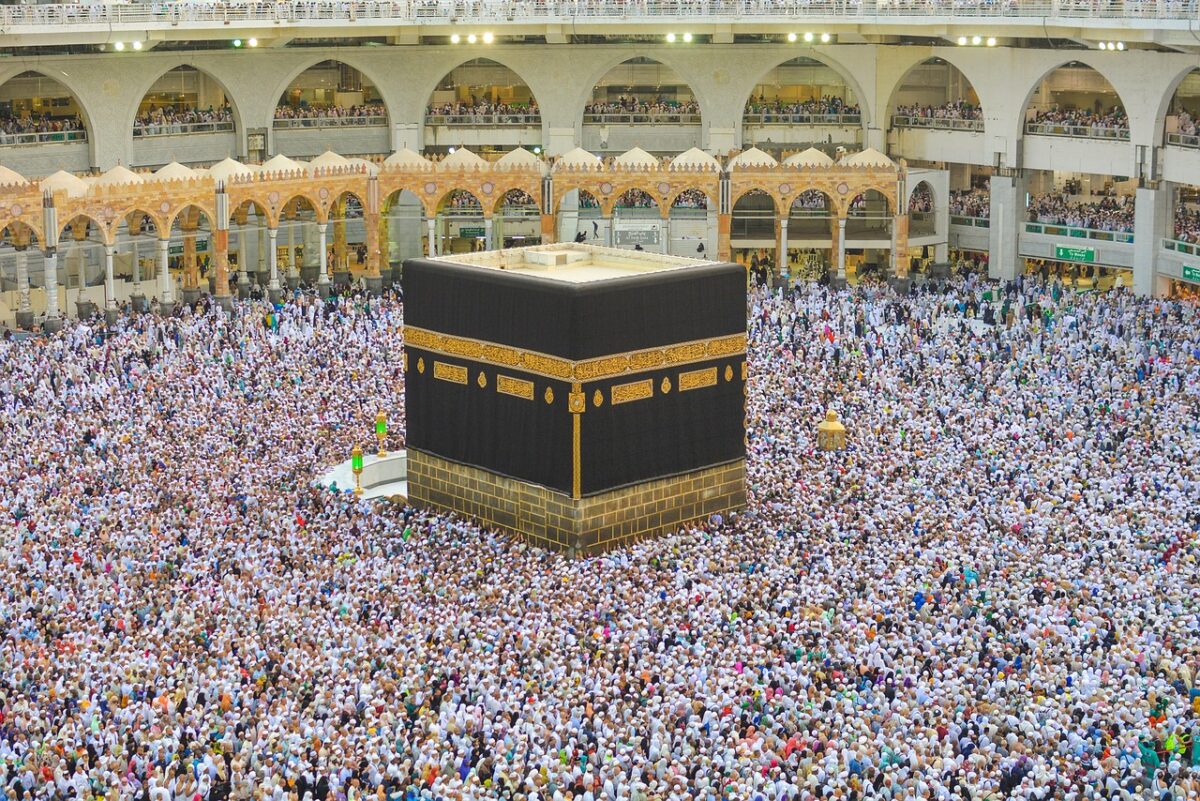
KUALA LUMPUR, March 17 — Medical professionals have strongly advised Malaysian Hajj pilgrims to get their mandatory Covid-19 vaccination, particularly those aged 65 years and older and people with chronic disease or low immunity.
Aside from the meningococcal vaccine, the Saudi Arabian government now requires Covid-19 and influenza jabs for Hajj pilgrims, especially vulnerable and high-risk individuals.
“This decision aims to protect the health of pilgrims, as mass gatherings like Hajj pose significant risks for the spread of respiratory illnesses, including Covid-19 and flu,” Health director-general Dr Muhammad Radzi Abu Hassan told CodeBlue in a statement last March 6.
“MOH continues to stress that respiratory infections from various viruses and bacteria are present throughout the year. Elderly and high-risk groups remain more vulnerable to complications from respiratory illnesses in general.”
Since mid-February, both Covid-19 and flu vaccinations have been made available for free for high-risk individuals planning for Hajj at select public health clinics by appointment through MySejahtera or Tabung Haji’s official website, or at authorised private health facilities that can upload vaccination certificates to MySejahtera.
“Vaccine safety continues to be closely monitored both locally and globally. Extensive data from large-scale studies confirm that Covid-19 and flu vaccines are safe and effective, with serious adverse events remaining rare and not specific. The benefits of vaccination in preventing severe illness, hospitalisation and death far outweigh potential risks,” added the Health DG.
Higher Risk Of Infection From Hajj Mass Gatherings
Dr Steven Lim Chee Loon, an infectious disease specialist at Raja Permaisuri Bainun Hospital in Ipoh, Perak, noted that 1.8 million pilgrims from around the world gathered for Hajj last year in close proximity.
This makes social distancing nearly impossible and creates ideal conditions for the rapid spread of respiratory infections.
He also cited studies that consistently report a high prevalence of influenza, pneumococcal disease, and Covid-19 among Hajj pilgrims in Saudi Arabia.
“Recognising these risks, I believe it is timely that Saudi authorities have mandated Covid-19 and influenza vaccination for high-risk pilgrims, following the same evidence-based public health approach as the long-standing meningococcal vaccine mandate. These measures are grounded in global health data, past outbreak experience, and the need to protect both pilgrims and their local communities from vaccine-preventable diseases.”
Prof Dr Zamberi Sekawi, chairman of the Malaysian Influenza Working Group, also welcomed the decision by the Saudi government, saying that it is based on public health evidence.
“Hajj is a mass gathering event, where people from all over the world are in close contact, increasing the risk of respiratory infections like Covid-19 and influenza. Covid-19 and flu vaccines help reduce severe illness, hospitalization, and death, especially in vulnerable individuals,” he added.
Prof Dr Tan Maw Pin, the head of geriatric medicine at Universiti Malaya Medical Centre, explained the rationale behind the ruling.
“It is widely accepted that the Hajj, where millions of human beings descend on Mecca at the same time, is an event where viral disease can spread very fast. Many Hajj pilgrims do tend to be older, and hence it is quite common, particularly among the older pilgrims to become ill with viral and bacterial pneumonia after returning from the Hajj.”
Dr Christopher Lee, the former National Advisor for Infectious Diseases in MOH, added, “As the Covid-19 vaccines are not effective for long periods of time, those going for Hajj should be vaccinated before travel as there will be increased risk of transmission in situations of crowding and mass gathering.”
Vaccination Benefits Outweigh Rare Risks
Addressing vaccine safety concerns, Dr Leong Hoe Nam, an infectious disease specialist at Mt Elizabeth Rovena Rophi Clinic, Singapore, stated that published data involving millions of people have demonstrated the safety of the Covid-19 vaccine.
“No doubt, some people have developed side effects to the vaccines. These are rare and few in between. Overall vaccine safety is at least more than 99.9 per cent,” Dr Leong told CodeBlue.
“Without vaccination, the individual risks falling sick with Covid-19. Being sick with Covid-19 puts you at a much higher risk for complications compared to a vaccine. In short, taking the vaccine takes you from high risk to a lower and safer risk.”
Public concerns were heightened by a small Yale University study that identified a rare syndrome occurring after Covid-19 vaccinations. This syndrome was associated with a higher likelihood of Epstein-Barr virus reactivation and elevated levels of a coronavirus protein in affected individuals.
Infectious disease expert Dr Lim explained that the Yale study aimed to better understand post-vaccine syndrome (PVS), a condition affecting a small proportion of individuals following Covid-19 vaccination.
Common symptoms of PVS include exercise intolerance, excessive fatigue, dizziness, insomnia, and brain fog—symptoms that also overlap with Long Covid after infection. These symptoms typically emerge within a few days of vaccination, may worsen, and can persist over time.
“To explore the biological mechanisms underlying PVS, researchers at Yale University analysed blood samples of 42 individuals who reported PVS symptoms and compared them to 22 healthy individuals who did not experience any symptoms after vaccination. Their preliminary findings revealed certain immunological differences,” Dr Lim said.
“However, as acknowledged by the investigators, this research is still in its early stages and has not yet undergone peer review (currently in preprint). Further validation by experts is needed, and larger studies will likely be warranted.
“It is important to emphasise that this study does not undermine the well-established safety of Covid-19 vaccines. Extensive data from large-scale studies and ongoing surveillance continue to affirm that Covid-19 vaccines are safe and effective, with serious adverse events remaining rare,” he added.
Getting Vaccinated Collective Responsibility To Ensure Safer Pilgrimage For All
Dr Lim said pandemic fatigue is understandable, but stressed that the risks and complications of Covid-19 must not be taken for granted.
“We must never downplay the serious health risks of Covid-19, particularly for the elderly and those with chronic medical conditions. Though the majority of people experience mild illness, SARS-CoV-2 can still cause severe complications and death, especially in high-risk groups,” he told CodeBlue.
“Extensive evidence shows that vaccination significantly reduces the risk of severe disease and mortality while also easing the burden on health care systems. Beyond personal protection, vaccination helps prevent the spread of the virus to fellow pilgrims and their families upon returning home. In my view, getting vaccinated before Hajj is not just an individual precaution but a collective responsibility to ensure a safer pilgrimage for all.”
Dr Tan slammed the antivax movement.
“Antivax messages are challenging. But as a frontliner over the Covid-19 pandemic, it’s very difficult for me to understand these people. How could you turn down the vaccine and end up coming to hospital and using up so many resources to preserve your life?” she questioned.
“I have also lost family members who were doctors who chose to be anti-vaxxers and the mess they left behind, their spouses, older parents and siblings, us having to pick up the pieces.”
“It’s unbelievable how they could be so blind. There is no doubt that Covid-19 vaccines save lives. Those who are not vaccinated are much more likely to develop severe disease or die from the infection. We have had far fewer cases, mild or severe, once the population has been vaccinated.”
‘Perfect Storm’ For Infectious Disease Outbreaks In Mecca
Dr Leong cautioned the elderly that they may end up getting hospitalised from pneumonia if they get infected with Covid-19 and that they may not return to their previous state of health, i.e. they lose their quality of life.
“Many individuals are elderly and weak. But when Covid-19 struck, it took their life away. This is so sad. Even for those who are ‘healthy’ and ‘young’,” Dr Leong added.
Covid-19 infections can also interfere with the quality of life for the younger demographic.
“There is a risk of developing long Covid-19 and they would have problems working for three to six months. Some individuals with long Covid-19 persist for one or more years. I have patients who have never recovered from long Covid-19,” said Dr Leong.
“In truth everyone should consider at least the influenza and Covid-19 vaccines. Those who are immunocompromised and elderly should consider all the other vaccines as recommended by each country’s vaccine guidelines and the World Health Organization (WHO).”
Dr Zamberi concurred, citing specific risks. “Covid-19 poses significant risks for older adults and individuals with preexisting conditions, including severe pneumonia and respiratory failure, leading to hospitalisation and intensive care unit (ICU) admission; and long Covid-19, which can cause persistent fatigue, breathing difficulties, and cognitive impairment for months.”
Dr Lim urged all Hajj pilgrims, especially those aged 65 and older or with chronic medical conditions to receive their Covid-19 and influenza vaccinations as soon as possible. “Early vaccination ensures optimal immunity before travel,” he concluded.
Dr Leong said the Hajj brings all viruses circulating in their own regions to one place – Mecca – like influenza, Covid-19, and other viruses, as he touted pneumococcal and RSV vaccination as well.
“There are still several ongoing cases of influenza and Covid-19 now, especially in the northern hemisphere. It has been a particularly bad year of influenza. So, this is the perfect storm for an outbreak of infectious agents,” he said.
“There was a particular emphasis on the meningococcal vaccine, but we forget that the other viruses and bacteria kill too. I encourage everyone to vaccinate so that you can have a wonderful religious experience without the illness and death.”


