

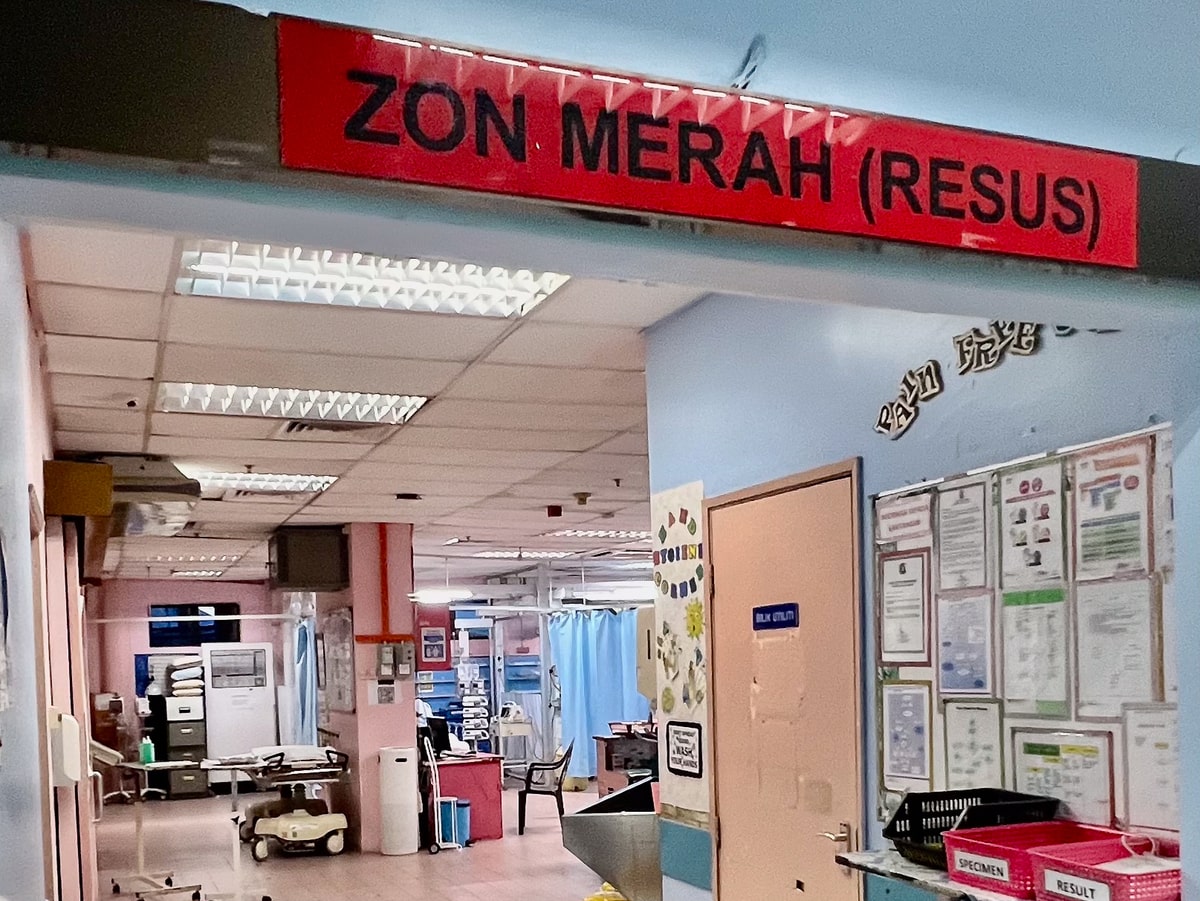
The Malaysian health care system, already teetering on the brink due to chronic understaffing, overwork, and brain drain, is now facing another self-inflicted crisis.
A recently uncovered policy reveals a shocking exploitation of newly certified medical specialists, who are being forced to endure an extended 18-month “provisional period” with drastically reduced pay.
This move, buried within bureaucratic amendments, is not just a slap in the face to health care workers — it’s a dangerous gamble with the nation’s health.
For years, Malaysian doctors and specialists have been the backbone of the country’s health care system, working tirelessly through pandemics, underfunding, and systemic neglect.
Yet, instead of rewarding their dedication, the government has chosen to further burden them with policies that slash their earnings and prolong their suffering. This article exposes the injustice of this new policy and calls for immediate action to reverse it.
The New Policy: From 6 Months To 18 Months Of Exploitation
Previously, the gazettement process — a mandatory regulatory step to certify specialists — took 6 months. Under the amended guidelines (Medical Act 50 and General Order, Bab F), this period has now been extended to 1.5 years (page 13, ‘From Gazettement to SWE and E-Warta.pdf’).
During this prolonged provisional phase, specialists are classified as Medical Officers and paid accordingly, despite performing specialist-level duties.
To put it simply, a newly certified physician, surgeon, or anaesthesiologist will be paid the same as a junior doctor (around RM5,000 to RM7,000 monthly) while handling complex cases, making life-and-death decisions, and working gruelling hours. This is not just unfair — it’s institutionalised wage theft.
Making matters worse, the government has abolished backdated salary claims (page 16 ‘Taklimat 1.pdf’). This means that even after completing the 18-month provisional period, these specialists will never receive fair compensation for their labour during this time. Imagine working as a specialist for a year and a half, only to be told you won’t be paid for the expertise you’ve already demonstrated.
The Bureaucratic Trap: Leaves, Delays, And More Exploitation
The fine print of this policy reveals even more injustices. Specialists are not only underpaid but also subjected to a labyrinth of bureaucratic hurdles that make it nearly impossible to complete the gazettement process without significant delays or penalties.
- Leaves Penalise Specialists: Taking more than 15 days of leave (including medical or maternity leave) disrupts the gazettement timeline, forcing extensions or restarts (page 18, ‘Taklimat 1.pdf’). This means that a specialist who falls ill or takes maternity leave could see their provisional period extended indefinitely, all while earning Medical Officer pay.
- Deferment Limbo: Candidates appealing placements face indefinite delays, with gazettement dates backdated only 6 months from their eventual reporting date — regardless of whether their appeal is approved or rejected (page 11, ‘Taklimat 1.pdf’). This creates a limbo where specialists are stuck in low-paying roles for months or even years.
- Stringent Exit Criteria: Specialists must complete logbooks and narrative reports, graded on stringent criteria like “leadership skills,” “ethical conduct,” and “clinical competency” (page 20, ‘From Gazettement to SWE and E-Warta.pdf’). Failure to meet these criteria traps specialists in a cycle of reapplications, further prolonging their exploitation.
These hurdles disproportionately burden those already grappling with Malaysia’s high cost of living and burnout-inducing workloads.
The Brain Drain Crisis: A Self-Inflicted Wound
Malaysia’s health care sector has long suffered from a brain drain, with skilled professionals fleeing to countries like Singapore, Australia, and the Middle East, where they can earn three to five times more. This policy will only accelerate the exodus. Why would skilled specialists stay in Malaysia when their expertise is met with contempt and exploitation?
The Ministry of Health’s own projections admit a looming shortfall of 22,435 specialists by 2030 (page 3, ‘From Gazettement to SWE and E-Warta.pdf’). Instead of addressing this crisis by retaining talent, the government is pushing them away with policies that devalue their contributions.
The Human Cost: Stories From The Frontline
Behind the numbers and policies are real people—dedicated health care workers who have sacrificed years of their lives to serve the nation. Consider the story of Dr A, a newly certified surgeon who has spent the past decade training in Malaysia.
After finally qualifying, Dr A was excited to start earning a specialist’s salary and providing for their family. Instead, they were told they would have to work for 18 months as a Medical Officer, earning less than half of what they deserve.
Or take the case of Dr B, a young anaesthesiologist who took maternity leave during her provisional period. Because her leave exceeded 15 days, her gazettement timeline was reset, forcing her to endure another 6 months of low pay and grueling work.
These stories are not isolated incidents — they are the reality for hundreds of specialists across the country.
A Call to Action: Stop Betraying Health Care Heroes
To the Malaysian government and the Ministry of Health:
- Reverse the gazettement extension immediately. Restore the 6-month timeline and ensure specialists are paid fairly from day one of their service.
- Pay specialists as specialists, not Medical Officers, during the provisional period. Their expertise deserves fair compensation.
- Invest in health care, not austerity. Slashing wages while demanding more work is “simple maths”—it equals collapse.
To Health Minister Dzulkefly Ahmad: If this policy advances, resign. The frontline has lost faith in your leadership.
To the public: Stand with your health care workers. Share this article, raise awareness, and demand accountability from those in power.
Conclusion
This policy isn’t just a pay cut — it’s a betrayal. It undermines the sacrifices of health care workers who have endured pandemics, underfunding, and systemic neglect. Malaysia cannot afford to lose more specialists.
The government must choose: value their heroes or watch the system crumble.
The clock is ticking.
Sources: Ministry of Health documents ‘From Gazettement to SWE and E-Warta.pdf’ and ‘Taklimat 1.pdf’ (2024–2025).
The author is a medical officer at a government hospital in Klang Valley. CodeBlue is giving the author anonymity because civil servants are prohibited from writing to the press. Editor’s note: CodeBlue reached out to MOH for a statement on the two documents sighted prior to publication.
- This is the personal opinion of the writer or publication and does not necessarily represent the views of CodeBlue.


