

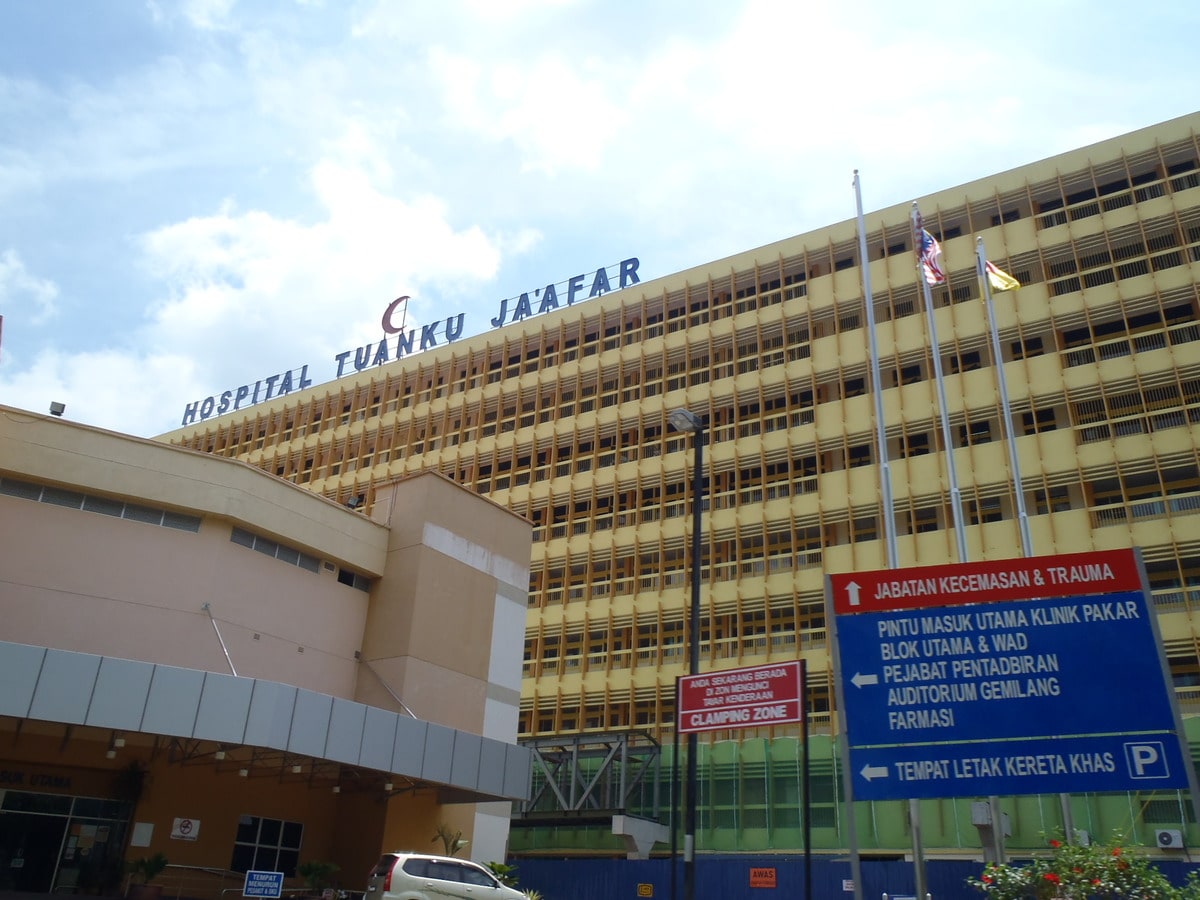
As I approach the final stretch of my housemanship, I find myself reflecting on the past two years at Tuanku Ja’afar Seremban Hospital (HTJS) in Negeri Sembilan.
While there were moments of fulfillment, what stands out most is the inhumane working conditions we’ve been forced to endure due to chronic staffing shortages.
It’s no secret that we don’t have enough doctors. But instead of addressing the root of the problem, the system forces us to bear the brunt of it—without remorse, without support, and without change.
Working 14-hour shifts (16 hours if I’m tagging) is already grueling, yet I often found myself leaving well past midnight. Left alone to handle an entire ward’s discharges, I’d stay behind long after my shift ended, simply because there was no one else to do the work.
Some departments took it even further, cutting our compulsory weekly off day if we happened to take medical leave. Others refused to grant us that off day if we had taken annual leave in the same week.
In some cases, taking annual leave meant being scheduled exclusively for long shifts to “make up” for the lost hours, citing the contractual 60-hour work week. But what is the point of annual leave if it comes at such a cost?
The conditions were relentless. Three consecutive night shifts with no post-night rest days meant functioning on four to five hours of sleep per night for nearly half a week. Off days were frequently denied due to “inadequate workforce.” The message was clear: our well-being didn’t matter.
As if the workload itself wasn’t enough, we are also constantly bombarded with WhatsApp messages from our bosses. Instead of seeing patients in person, they demand updates through the phone—an unethical and dangerous practice that reduces patient care to a series of impersonal texts.
But beyond the ethical concerns, this obsession with WhatsApp means that we are never truly off-duty. We are expected to be glued to our phones, to reply instantly, no matter how overwhelmed we are with ward work.
Even if we are in the middle of procedures, even if we are drowning in tasks, failing to respond fast enough is seen as negligence. There is no escape, no moment of respite, because the messages never stop coming.
Shift scheduling is not about fairness or practicality—it is entirely dependent on the grace of the department leader. A short shift that supposedly ends at 5pm is often nothing more than a suggestion. We know, from experience, that being placed in a busy ward without sufficient housemen means we will be staying back far beyond our shift hours. And no one cares.
There is no accountability when schedules are manipulated to serve the department’s needs at our expense. We are treated as disposable, expected to silently accept that we may never leave on time, may never get the rest we are owed, simply because they can get away with it.
As if the exhaustion wasn’t enough, we were constantly belittled, insulted, and treated as expendable—not just by superiors, but by the very people who were supposed to work with us: the staff nurses.
I have worked alongside kind, hardworking nurses who genuinely care about patients and teamwork. But I have also been humiliated, ignored, and sabotaged by nurses who refuse to do their jobs, leaving us housemen to pick up the slack.
Basic tasks that are clearly part of their job—ECGs, inserting catheters, taking vitals—were outright refused. I have had nurses roll their eyes at me, ignore my requests, or worse, mock and scold me for even asking.
“That’s not my job, Doctor.”
“Do it yourself, you’re the houseman.”
“Why are you so slow?”
These are the words we hear daily while drowning in an already overwhelming workload.
When things go wrong, we are the ones who get blamed. If a patient’s blood test results were late, I would be scolded by my superiors—even if the delay was because the medical assistant did not bother to send the samples to the lab. I would be the one taking the heat, because as a houseman, I am expected to be responsible for everyone’s incompetence but my own.
It’s a never-ending cycle of abuse and blame, and we have no choice but to endure it.
The system doesn’t just break our bodies—it breaks our minds. I have fought through depression in silence, too afraid to seek professional help because I know it could be used against me in future career advancements. Housemen are expected to suffer quietly, no matter how much we are drowning.
Even when abuse happens, we are afraid to report it.
There are so-called “helplines” like MyHelp and SISPAA, supposedly in place to protect us, but in reality, they feel more like traps. If we report the mistreatment, we risk being found out and targeted by our own superiors. Retaliation is a very real fear—being labeled a troublemaker, being failed in our postings, or being deliberately overburdened as punishment.
So we stay silent. We endure it. Because speaking up feels like it would only make things worse.
Yet, through all of this, if there’s one thing that kept me going, it was the camaraderie of my colleagues. The shared suffering, the mutual understanding, the unspoken support—we carried each other through the worst of it. For that, I am grateful.
But once I leave this place, I will not return.
If this hospital wants to retain its doctors and provide quality health care, it must first recognise that we are human. The inhumane practices must end. Because at this rate, there won’t be any of us left to keep the system running.
CodeBlue is providing the author anonymity because civil servants are prohibited from writing to the press.
- This is the personal opinion of the writer or publication and does not necessarily represent the views of CodeBlue.


