

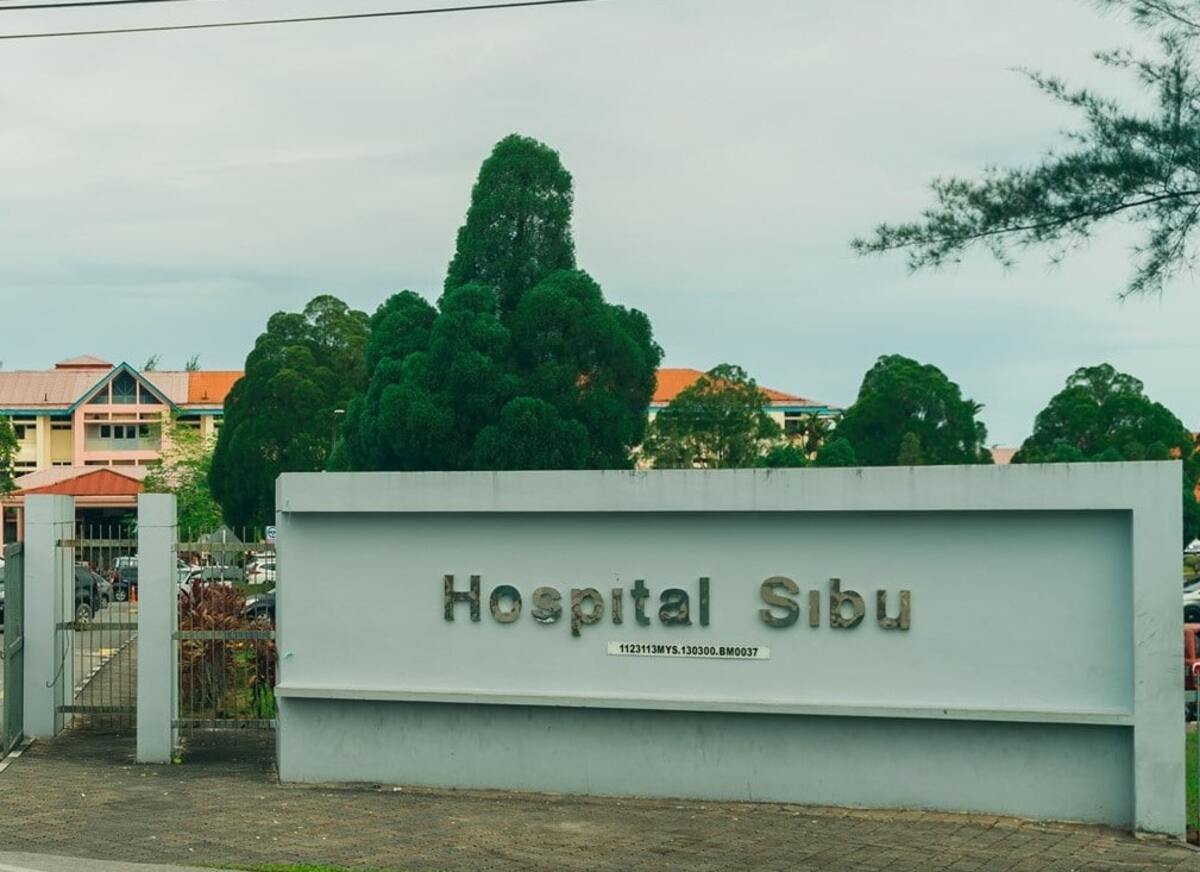
I am writing to bring to your attention a growing crisis within our local health care system—one that affects every patient requiring surgery, critical care, or emergency medical intervention in Sibu.
This is the silent crisis of manpower shortages in medical officers within anesthesiology and intensive care, a problem that threatens the quality of health care and increases the risk of complications, poor patient outcomes, and even loss of life in our community.
The Role Of Medical Officers In Anesthesiology And Intensive Care In Sibu
Medical officers (MOs) are the backbone of anesthesiology and intensive care services. They are responsible for anesthetic clinic, preoperative patient assessment, intraoperative anesthetic management, postoperative care, acute pain service, electroconvulsive therapy, labour epidural, critical care in the intensive care unit (ICU), as well as those needed in the general ward and emergency department.
Without an adequate number of medical officers, the workflow within these departments is severely disrupted and, most importantly, compromises patient safety.
Despite the presence of trained anesthesiologists and intensivists, the shortage of medical officers in Sibu has reached critical levels. In 2022, Sibu Hospital had total of 40 anesthesiology and intensive care medical officers.
But now, we are left with only 22 medical officers in the department, of which five are Master students who will have to leave for training in June and one parallel pathway candidate who has to leave for training in December.
Despite the drastic drop in the number of medical officers, we are still continuing all the services provided as stated above. This has led to overworked medical officers and compromised patient safety at Sibu Hospital and other medical facilities in the region.
We have repeatedly highlighted this matter to the head of department (HOD), hospital administration, and the hospital director, yet no concrete actions have been taken to address the issue. The inaction has only exacerbated the challenges faced by health care professionals and put patients at greater risk.
Consequences Of Manpower Shortage: The Risks To Patients In Sibu
The shortage of medical officers in anesthesiology and intensive care is not merely a workforce issue—it has direct and serious consequences for patients in Sibu. Some of the most significant impacts include:
1. Compromised ICU management
Previously, we had a specific medical officer who was on-call solely in ICU and a specific medical officer who was on-call for peripheries (in charge of patients who require ICU care in general ward and emergency department and receiving new referrals). However, due to inadequate manpower, our HOD decided to merge these two services to one on-call medical officer.
This leads to delays in the management of critically ill patients in the ICU and peripheries, increasing mortality rates. Patients requiring specialised ICU interventions may not receive timely treatment, leading to deteriorating outcomes and prolonged hospital stays.
2. Higher risk of surgical and anesthetic complications
Currently, we are forced to do elective surgeries during on-call hours, which worsens conditions. During on-call period, manpower is even more limited. This will cause a delay in emergency surgeries and endanger a patient’s life. Running multiple operation theatres with limited manpower also putting patients’ lives at stake as it will cause inadequate intraoperative monitoring.
Understaffing leads to excessive workload for medical officers, increasing the risk of fatigue-related errors in patient management. Absence of operation theatre recovery bay medical officers is also detrimental to patients who have just undergone operation under anesthesia.
3. Increased surgical waiting times in Sibu Hospital
Due to the limited number of medical officers, many elective surgeries are postponed or cancelled, prolonging patients’ suffering and delaying necessary medical interventions.
4. Burnout among health care providers in Sibu
The overwhelming workload on medical officers leads to high stress, reduced efficiency, and an increased risk of medical errors. Burnout among medical officers also contributes to attrition, further worsening the manpower crisis.
The Need For Immediate Action In Sibu
Addressing the shortage of medical officers in anesthesiology and intensive care requires urgent and coordinated efforts at multiple levels—government, health care institutions, and the local community. The following actions must be prioritised:
1. Reduce anesthesiology and ICU and related surgical team services
Reduce the number of elective surgeries. The primary team should prioritise patients who need elective surgery earlier, for example, trauma cases like closed fracture should be prioritised rather than total knee replacement for osteoarthritis.
The primary surgical team should reduce the service, together with the anesthesiology team, and divert patients to nearby hospitals, rather than let patients wait in Sibu Hospital and posting elective cases under emergency settings, which will worsen the current understaffing situation.
2. Increase the recruitment of medical officers
Increase the number of medical officer positions allocated to anesthesiology and intensive care in Sibu. Implement retention strategies, such as improved work conditions and career development opportunities to encourage medical officers to stay in these fields.
3. Raise public awareness and advocacy in Sibu
The people of Sibu must understand the critical role of medical officers in supporting the anesthesiology and intensive care team in patient care. Advocacy efforts should be directed at policymakers to ensure adequate funding and prioritization of medical officers in Sibu’s health care planning.
A Call To Action For Sibu
The shortage of medical officers in anesthesiology and intensive care is a crisis that affects everyone in Sibu. Whether as patients, family members, or health care professionals, we all rely on these medical officers for safe surgical procedures, effective pain management, and critical care interventions.
If this issue is not urgently addressed, the consequences will be dire—increased patient mortality, an overburdened health care system in Sibu, and more surgical delays.
I urge policymakers, hospital administrators, and the people of Sibu and the region to recognise the urgency of this issue and take meaningful steps toward resolving the manpower shortage. We must act now to ensure that every patient in Sibu receives the highest standard of care, without compromise.
The author is a doctor at Sibu Hospital. CodeBlue is giving the author anonymity because civil servants are prohibited from writing to the press.
- This is the personal opinion of the writer or publication and does not necessarily represent the views of CodeBlue.


