

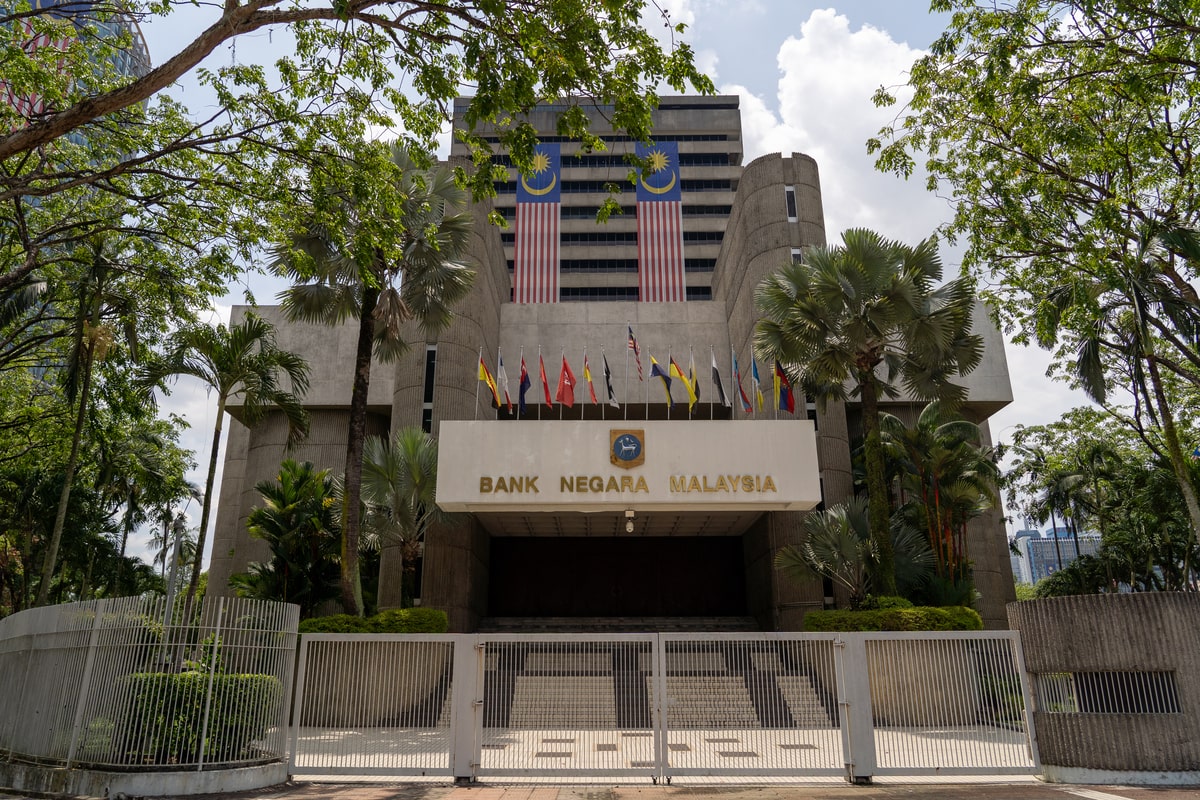
KUALA LUMPUR, Dec 20 — Bank Negara Malaysia (BNM) has yielded to public pressure over rising health insurance premiums, limiting premium increases to 10 per cent for the vast majority of policyholders.
The central bank said insurers and takaful operators (ITOs) will spread out the changes in the premiums of medical and health insurance/takaful (MHIT) policies arising from medical claims inflation over a minimum of three years for all policyholders affected by the premium increases. This measure will remain in place until the end of 2026.
“With this measure, at least 80 per cent of policyholders are expected to experience yearly premium adjustments due to medical claims inflation of less than 10 per cent,” BNM said in a statement today.
“For policyholders aged 60 years old and above who are covered under the minimum plan within the MHIT product that they purchased, ITOs will temporarily pause premium adjustments due to medical claims inflation for one year from their policy anniversary.”
BNM said both these measures do not apply to premium increases that may occur when a policyholder moves to a higher age band.
“Policyholders who have surrendered or whose MHIT policies have lapsed in 2024 due to the repricing can reach out to their ITOs to request for a reinstatement of their policies based on the adjusted premium under this measure without additional underwriting requirements,” the central bank added.
“All ITOs will provide appropriate alternative MHIT products at the same or lower premiums for policyholders who do not wish to continue their existing MHIT plans that have been repriced. ITOs that do not currently offer appropriate alternative products must make these products available to policyholders by the end of 2025.
“Switching to the alternative MHIT products will not require any additional underwriting or involve any switching cost. This, together with other reforms to contain medical cost inflation, will serve to avoid significant future premium adjustments.”
BNM said policyholders can contact their respective insurers from January 15.
The central bank maintained that the claims paid out by ITOs have grown faster than the premiums collected, noting that medical cost inflation in Malaysia hit 15 per cent this year, well above the global and Asia Pacific average of 10 per cent.
“While ITOs maintain reserves to cover unexpected increases in medical claims paid, this cannot be sustained if the cost of claims continues to increase beyond reasonable estimates. Hence, periodic adjustments to MHIT premiums are necessary to ensure that policyholders’ claims can continue to be met.”
RM60 Million Contribution: DRG Payment Model, Publish Medical Procedure Costs, Base MHIT Product For Senior Citizens
Bank Negara also announced a joint RM60 million contribution from the government, ITOs, and private hospitals to “accelerate health reforms”.
These include the mandated implementation of a diagnosis-related groups (DRG) payment model – or bundled payments based on a procedure or treatment – for private hospitals.
Private hospitals in Malaysia currently operate on a fee-for-service model, in which a health care provider is paid based on the amount of services delivered. Hence, patients receive long, itemised bills containing multiple line items of charges. Under a DRG system, patients will simply be billed the total amount, without detailed charges of different items.
The central bank further announced the planned publication of costs of common medical procedures for “greater transparency.”
“In addition, part of the fund will also be used to facilitate the development of a base MHIT product that covers essential health care needs and facilitate policyholders aged 60 years old and above to switch to the new base product, once available.”
BNM touted the need for “greater transparency” in drug prices, advancement of digitalisation to enable sharing of electronic medical records that would reduce the need for repeated tests for patients, and strategic purchasing by both public and private sectors to reduce cost.
“Progress on these measures will be monitored to ensure the intended outcomes of reducing medical cost inflation are achieved. This will be important to transition to more sustainable provision of MHIT products going forward.
“This will also serve as a basis for BNM’s periodic review of these interim measures which would be done in tandem with the progress of the reforms in the health care ecosystem.”
Except for the planned development of a new MHIT product for senior citizens, the other “health reforms” touted by BNM fall under the purview of the Ministry of Health (MOH), not the central bank.
“These interim measures that we are announcing today will provide some temporary support to policyholders, but broader health reforms must be expedited with a commitment to achieve clear outcomes in the coming years,” said Bank Negara governor Abdul Rasheed Ghaffour.
BNM’s announcement today came after Bayan Baru MP Sim Tze Tzin’s relentless campaign to advocate for consumers affected by health insurance premium surges that reached triple digits in percentage for some. Yesterday, he and fellow PKR lawmakers called for an interim 10 per cent cap on medical insurance premium increases for next year.


