

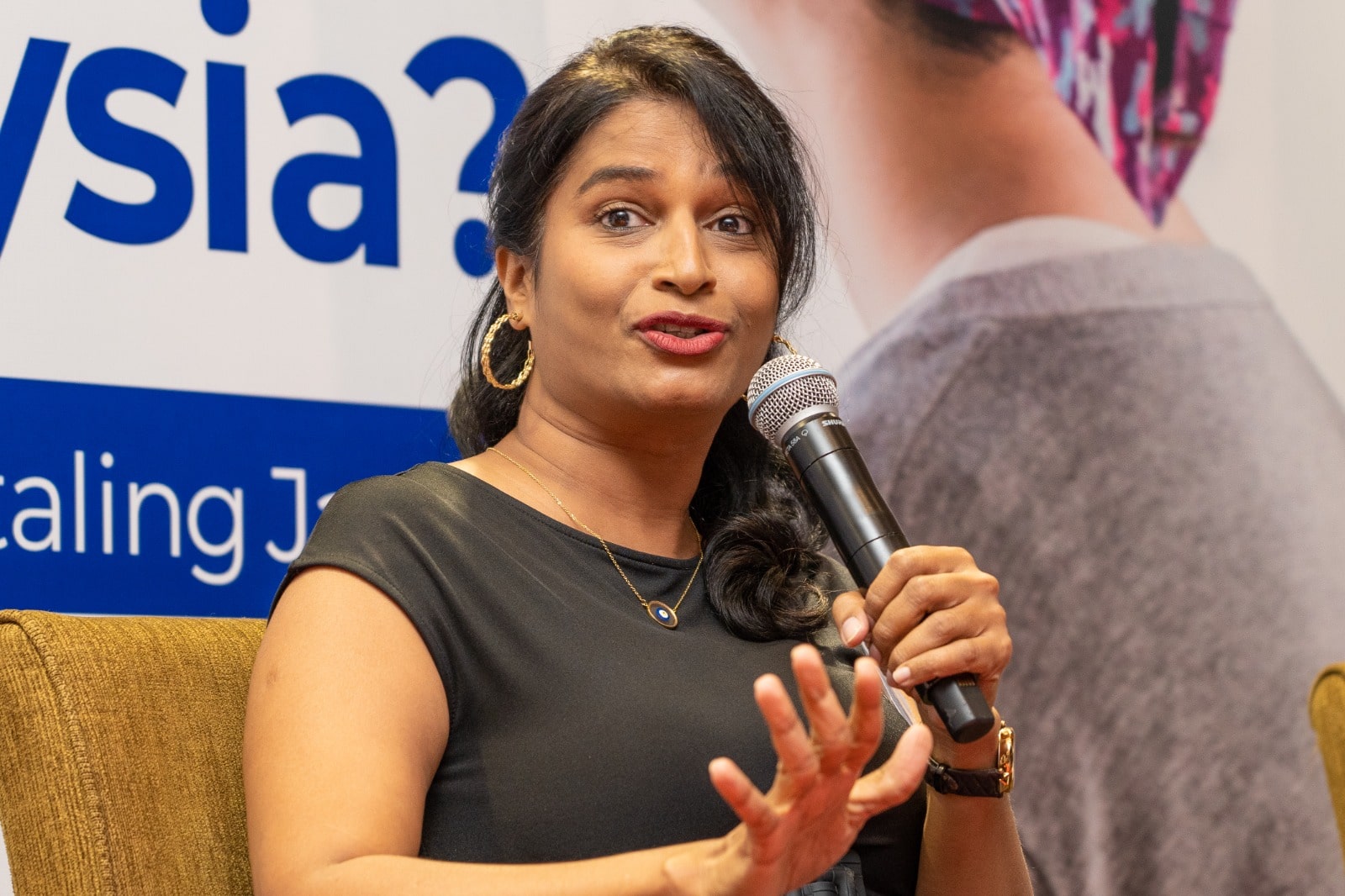
KUALA LUMPUR, Nov 8 — A public health professor has called for a shift from traditional clinical communication to more creative, community-driven approaches, such as art and drama, to help cancer patients navigate their diagnoses and treatments.
Speaking at the World Cancer Congress (WWC) 2024, Prof Dr Nirmala Bhoo Pathy, a clinical epidemiologist and public health medicine specialist at University Malaya Medical Centre (UMMC), highlighted the emotional and informational challenges patients face, especially in low- and middle-income countries where consultations are often brief.
“When patients come in for their diagnosis, during the phase when we are breaking the bad news, there’s a lot of information they need, and they’re also in shock. We don’t handle this well in low- and middle-income countries.
“I can’t speak for high-income countries, but here, we do it poorly. Patients wait for two hours, sometimes three to four weeks, if they’re lucky, for their diagnosis or pathology report. Then, they are hit with shock, and at the same time, the doctor is explaining things in medical jargon. Even though we speak English and Bahasa Malaysia, the language is still not the same.
“So, they remain in shock, and when we speak to these women, they ask, ‘Can we have written information? Something simple I can take home and read?’ These are health literacy gaps that we’re dealing with,” Dr Nirmala said during a panel discussion on health literacy in women’s cancers pathways at WCC 2024 in Geneva, Switzerland on September 18.
To address these gaps, Dr Nirmala urged both the medical community and policymakers to move beyond traditional information delivery methods, advocating for creative approaches, including platforms like TikTok, that connect with the wider public.
“People think I’m joking when I suggest using arts, drama, or even TikTok for cancer education, but we need to wake up. These communication modes meet people where they are, in formats they engage with,” she said.
Dr Nirmala stressed the importance of co-creation with patients, particularly those with lived experiences, to develop tools that resonate with diverse communities. “We can’t just give patients another booklet or manual and expect them to understand. It’s about innovating and co-creating with those who’ve been through it.”
Sonali Johnson, head of knowledge, advocacy, and policy at the Union for International Cancer Control (UICC) and chair of the panel session, remarked on the oddity of people laughing at the idea of using art and drama in health communication, particularly given their effectiveness in HIV awareness for decades.
“It’s really strange that people would laugh when you say ‘art and drama’ because in the HIV field, theatre and other forms of communication with communities have been going on for many decades. I think, this way, it’s also part of taking cancer out of the medical field and into communities, and that is the challenge we face.
“I think we’ve got to change the image of cancer in the community,” Johnson said.


