

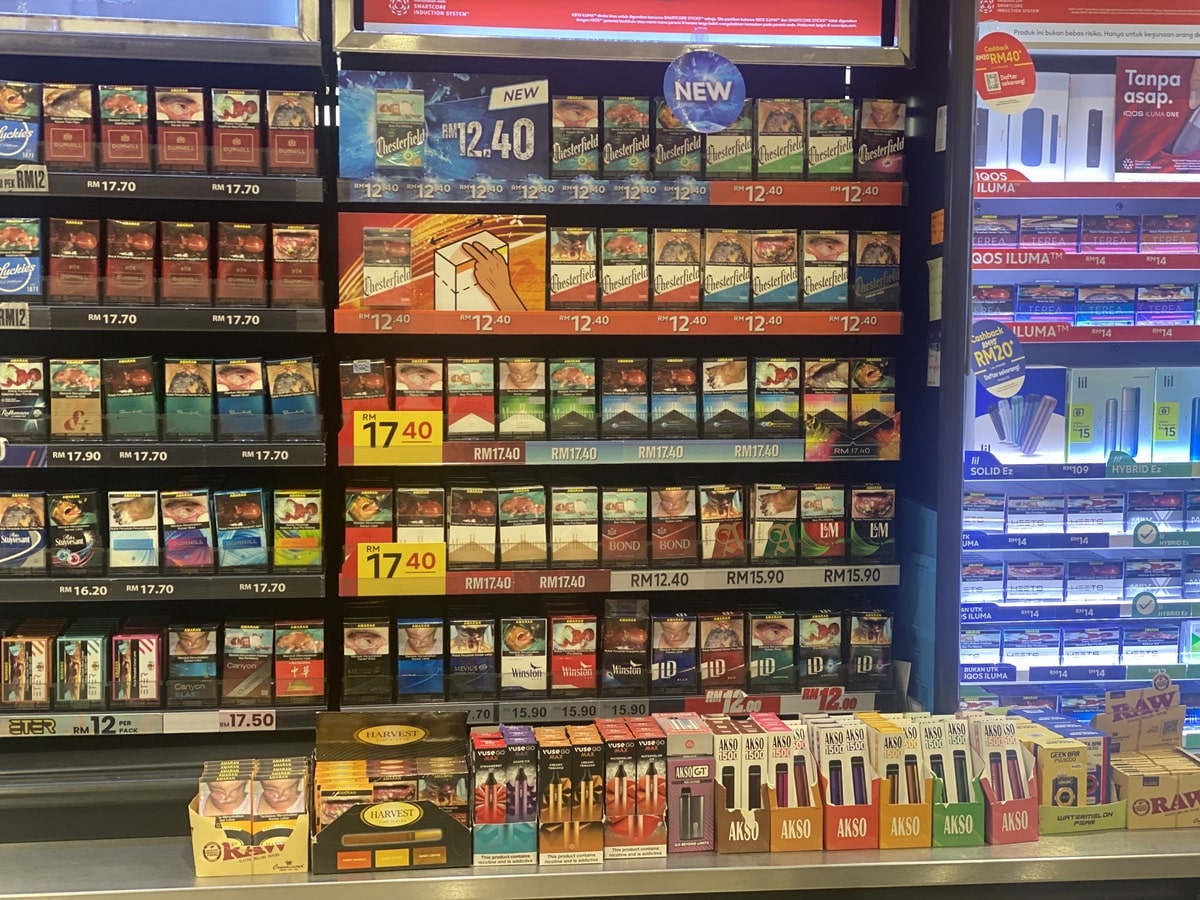
KUALA LUMPUR, Oct 2 — New regulations under the Control of Smoking Products for Public Health Act 2024 (Act 852) will require both nicotine and non-nicotine vape products to display health warnings on their packaging, similar to those found on conventional cigarettes.
The Control of Smoking Products for Public Health (Packaging and Labelling) Regulations 2024, which categorises vapes under “smoking substances”, treats both nicotine and non-nicotine e-cigarettes the same. This means that all vape products must carry the same health warnings, regardless of nicotine content.

Unlike conventional cigarettes, vape products in Malaysia currently do not have standardised health warnings on their packaging, and some do not even indicate nicotine content, leading to inconsistencies in consumer awareness.
Some vape products on the market contain up to 50mg/ml nicotine concentration – substantially higher than the new regulatory limits.
Under the new rules, the maximum nicotine concentration allowed in vape products is 35mg/ml, which will be reduced to 20mg/ml from October 1, 2025. The regulations also cap the maximum volume for each cartridge or disposable pod at 3ml, set to be further lowered to 2ml starting October 1, 2026.
Many vape products currently available in Malaysia contain 5 per cent nicotine (50mg/ml), though the majority have 3 per cent (30mg/ml). This differs from regulations in other countries, such as Indonesia, the United Kingdom, and several European nations, where the nicotine content is limited to 2 per cent (20mg/ml).
The new regulations, which took effect October 1, lay out specific requirements for vape packaging, including the text and layout for health warnings. Labels must clearly state that “Smoking products cause lung disease” and must occupy a substantial part of the package’s front panel. The text must be printed in bold, yellow Arial font on a matte black background.
Heated tobacco products, often referred to as “heat-not-burn” products, are also subject to the same stringent packaging rules.
These include health warnings like “Produk ini menghasilkan bahan kimia yang membahayakan kesihatan” (This product produces chemicals harmful to health) and sales restrictions such as “Dilarang Jual kepada orang belum dewasa” (Not for sale to minors), along with information on the government’s quit smoking programme, “Layari jomquit.moh.gov.my”, on the bottom panel.
All text and images must be placed in a way that makes them easily visible to consumers and cannot be obscured by branding or packaging design elements.
The regulations prohibit using terms like “light”, “ultra light”, “mild”, “cool”, “extra”, “low tar”, “special”, “full flavour”, “premium”, “rich”, “famous”, “slim”, “grade A”, “golden”, “pearl”, “edition”, or any descriptors that may suggest a particular product is less harmful.
Manufacturers and importers must also ensure that all tobacco products, smoking substances, or substitute tobacco products are labelled with an identification mark approved by the Health director-general. This mark must be clearly visible without blocking health warnings.
In a press statement on Monday, the Ministry of Health (MOH) announced that these packaging and labelling regulations must be fully enforced by October 1, 2025. This timeline gives manufacturers and importers time to comply with the new requirements, which aim to standardise health information across all smoking products.
Prof Dr Mohamad Haniki Nik Mohamed, anti-tobacco activist and chief coordinator of the Certified Smoking Cessation Service Provider (CSCSP) at the Kulliyyah of Pharmacy, International Islamic University Malaysia, said he fully support the conversion of the new pictorial health warning (PHW).
“The existing warnings have not been updated for a long time, making them stale and less effective. This is based on the World Health Organization (WHO) Framework Convention on Tobacco Control (FCTC) where PHW conversion should be updated at least every two years,” Dr Mohamad Haniki told CodeBlue yesterday.
However, he expressed disappointment that standardised or plain packaging has yet to be implemented, unlike in developed countries such as Australia.
Dr Mohamad Haniki also called on Customs to take greater responsibility in ensuring stricter and more transparent control over the entry of illegal cigarettes to prevent the circulation of contraband cigarettes and vapes without health warnings.


