

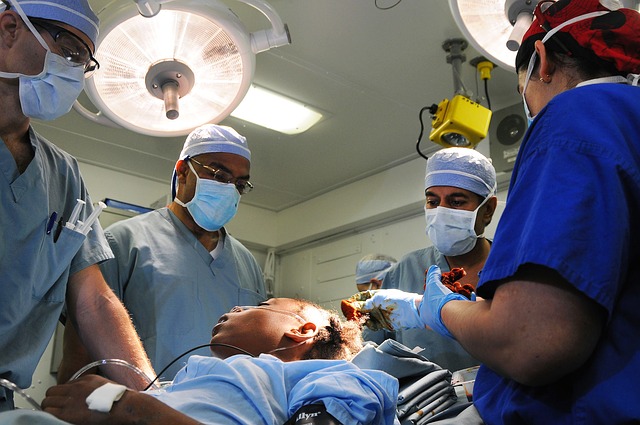
Retained surgical items (RSI) represent a serious and often preventable risk in medical procedures.
These include sponges, instruments, needles, or other materials inadvertently left inside a patient’s body after surgery.
Although the frequency of these incidents has decreased due to improved protocols, RSIs remain a critical concern due to their potential to cause severe complications.
The primary causes of RSIs are human error and lapses in procedure.
Common issues include miscounting of sponges and instruments or inadequate communication among surgical team members.
Complex surgeries and emergency situations further exacerbate the risk, as the focus on saving lives may lead to oversights. Additionally, traditional methods of tracking, while essential, are not infallible.
Patients who suffer from RSIs can experience a range of adverse effects, including infections, chronic pain, and damage to internal organs.
The emotional and financial toll is also significant, often requiring additional surgeries, prolonged recovery, and increased medical expenses. The impact on quality of life can be profound, affecting not only physical health but also mental wellbeing.
To address this issue, hospitals and surgical teams are increasingly adopting advanced technologies.
Radio-frequency identification (RFID) and barcoding systems have been developed to enhance tracking accuracy and reduce the likelihood of RSIs.
These technologies help ensure that every item used during surgery is accounted for and removed before closing the incision.
Moreover, adherence to safety protocols is crucial. The use of checklists, such as the World Health Organization (WHO) Surgical Safety Checklist, can significantly improve communication and reduce errors.
These tools help ensure that every step is completed systematically, minimizing the chances of retaining an item.
Patient education also plays a role in addressing RSIs. Informing patients about the potential risks and encouraging them to report any unusual symptoms promptly can aid in early detection and treatment.
In conclusion, while strides have been made in reducing retained surgical items, there is still work to be done. Continued vigilance, technological innovation, and adherence to best practices are essential in preventing these incidents.
By raising awareness and implementing comprehensive safety measures, we can better safeguard patients and enhance the overall quality of surgical care.
Addressing this hidden risk is vital for improving patient outcomes and ensuring that surgeries are as safe and effective as possible.
Kalivani Poongawanam is from the School of Medical and Life Sciences, Sunway University.
- This is the personal opinion of the writer or publication and does not necessarily represent the views of CodeBlue.


