

PETALING JAYA, July 19 — Takeda’s newly approved Qdenga dengue vaccine is now available in private clinics and hospitals nationwide, ahead of its potential inclusion in Malaysia’s National Immunisation Plan (NIP) far into the future.
Consultant paediatrician and paediatric cardiologist Prof Dr Zulkifli Ismail said those seeking early access should consider getting vaccination at private clinics and hospitals as the Qdenga live-attenuated dengue tetravalent vaccine, the first of its kind in Malaysia, will likely take years for a national rollout.
“If you look at any vaccine, whether it’s the Hib (Haemophilus influenzae type B) vaccine or the pneumococcal vaccine, they were approved by our National Pharmaceutical Regulatory Agency (NPRA) and then they were used in the private sector first – both of these vaccines.
“It took seven years for Hib to be in the private sector before we had it in the NIP and we were among the first in the region to actually have it in our programme.
“It took 15 years for pneumococcal conjugate vaccine to be in the private sector before the Ministry of Health (MOH) took it up in 2020 when the current health minister was in his first term as minister.
“If you look at that, the chances are that this dengue vaccine will go through the same phase as well. It will be in the private sector first and then [NIP]. If you want to wait until it’s in the national programme, maybe you have to wait for 10 years.
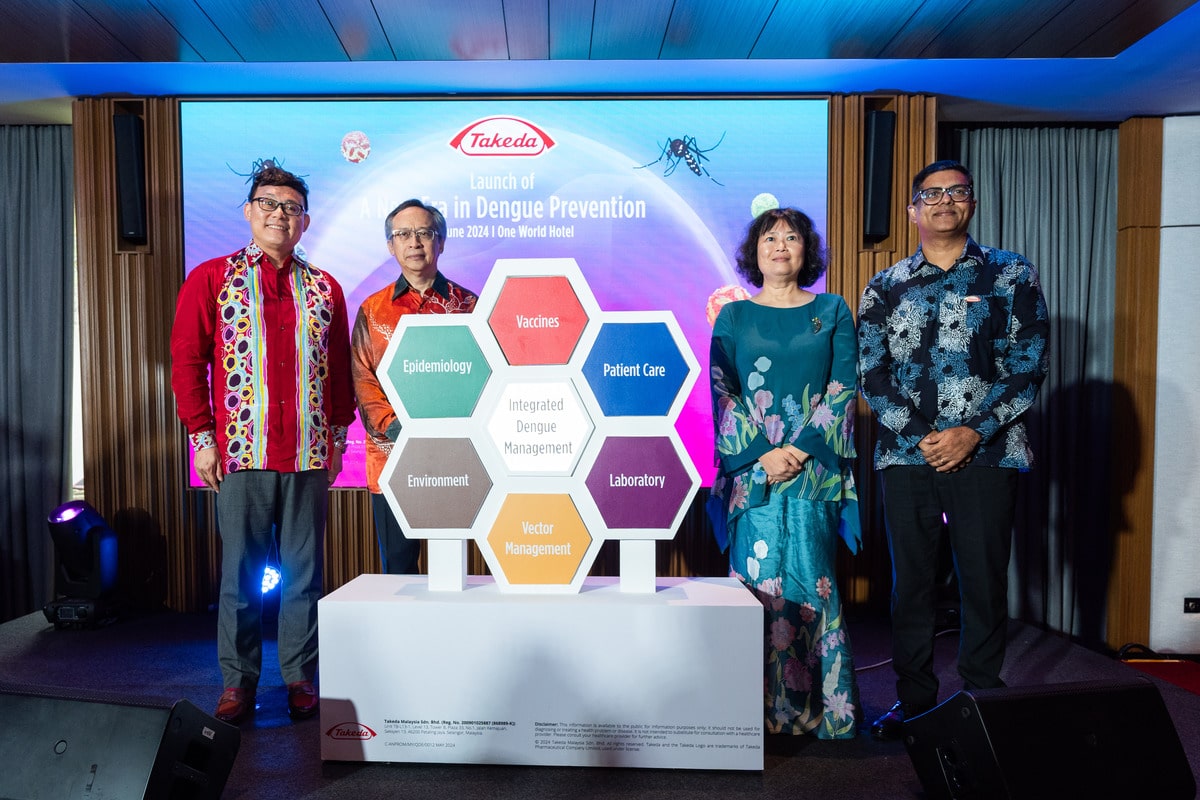
“That’s not really practical,” said Dr Zulkifli, who is also chairman of Dengue Prevention Advocacy Malaysia (DPAM), at the Qdenga media launch here last June 11. “I think you have to invest a bit of money and get the two doses now.”
In recent decades, global dengue cases surged from 500,000 in 2000 to 5.2 million in 2019, with Asia bearing 70 per cent of the burden.
Following a temporary decline in cases from 2020 to 2022 due to the Covid-19 pandemic and lower reporting rates, 2023 witnessed an upsurge in dengue cases worldwide, marked by an increase in both the number and scale of outbreaks, occurring simultaneously across multiple regions previously unaffected by dengue.
In Malaysia, dengue cases have increased significantly, with 123,133 cases reported in 2023 – an 86.3 per cent rise compared to the previous year. Dengue-related deaths also increased by 78.6 per cent, with the highest concentration of cases in Selangor.
Health Minister Dzulkefly Ahmad previously told reporters that including the dengue vaccine in the NIP will take time, primarily due to the high cost of the vaccine. Malaysia’s NIP currently offers protection against 13 major childhood diseases.
Takeda Malaysia & Singapore country manager Dr Lynette Moey said Qdenga’s pricing is determined through a value-based, tiered approach specific to each country.
“The price for Malaysia is extremely equitable to what Malaysians generally can pay. This is to ensure a broader and more sustainable access [of the dengue vaccine] to the Malaysian public,” Dr Moey said.
“We are always very happy to partner with the MOH to discuss access into the national health care programme.”
Qdenga received conditional approval from Malaysia’s Drug Control Authority (DCA) in February to prevent dengue fever in individuals aged four years and older.
The dengue vaccine has so far demonstrated long-term safety and efficacy for up to 4.5 years against symptomatic and hospitalised dengue cases.
The World Health Organization (WHO) recommends the use of Qdenga in children aged six to 16 years in settings with high dengue burden and transmission intensity for large-scale vaccination programmes. The vaccine should be administered in a two-dose schedule with a three-month interval between doses.


