

KUALA LUMPUR, March 17 — Malaysia’s intake of medical graduates for housemanship has dropped by about half since 2019, highlighting a shrinking pipeline of new doctors entering the health care system.
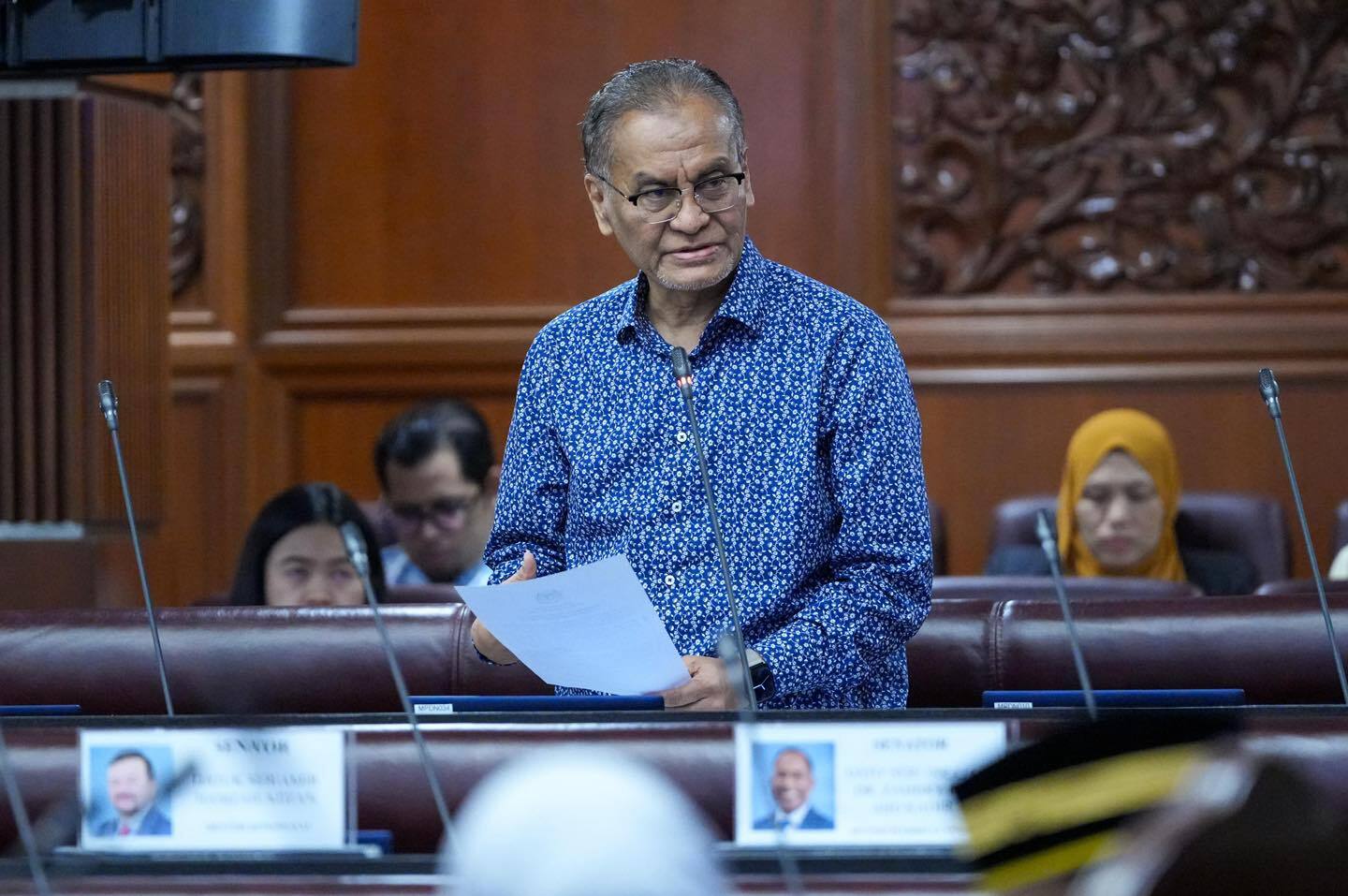
Health Minister Dzulkefly Ahmad told the Dewan Negara last Thursday that intake into the housemanship programme has dropped sharply over the past six years, reflecting a significant contraction in a supply of new doctors for the country.
“The intake of house officers has recorded a declining trend. The highest was in 2019, the first time I helmed the MOH, when the number was 6,139,” Dzulkefly said, in response to Senator Mohd Hasbie Muda’s question on the number of medical officers who resigned during their housemanship between 2023 and 2025, and the main reasons contributing to this issue.
Dzulkefly said the number of medical graduates entering housemanship fell steadily in subsequent years before reaching one of its lowest points in 2022 with 3,245 trainees.
“After that, it remained around that level. In 2023 there were 3,265, in 2024 there were 3,288, and in 2025 there were 3,294. This shows that on average there has been about a 50 per cent reduction from the supply side, the supply of graduates entering the housemanship training programme,” he said.
Dzulkefly also said 206 house officers resigned during their training in 2024 and 2025, with 114 resignations recorded in 2024 and 92 in 2025. He added that 254 house officers left the programme in 2023.
Dzulkefly said the reasons for resignations were multifactorial, including personal issues, lack of readiness to undergo housemanship training, pursuing further studies, migration overseas, and health problems.
Only 529 Graduates Turned Up For 5,000 Housemanship Slots In January
The decline comes as MOH faces difficulties filling available training placements. Dzulkefly said the ministry offered 5,000 housemanship slots for the January 2026 intake, but only 529 medical graduates reported for duty.
Dzulkefly said he has briefed the Cabinet and senior civil service leadership on the seriousness of the issue. “If this human resource issue is not addressed, we will face a situation that I believe has long been a crisis,” he said.
He said the shrinking pipeline of doctors is partly linked to past policy decisions, including a moratorium on medical programmes introduced during a period when Malaysia faced an oversupply of doctors and long waiting times for housemanship placements.
“At that time, fresh graduates sometimes had to wait more than a year to enter housemanship. The moratorium introduced earlier is part of the legacy issue that we are facing today,” he said, adding that the government must now take a whole-of-government approach involving the health, finance, and higher education ministries.
MMC Concerned One-Year Housemanship Could Affect Training Quality
The issue has raised questions about whether Malaysia should shorten housemanship training from two years to one year, a model previously used in the country. However, Dzulkefly said concerns about clinical competency remain a major consideration.
“What worries the Malaysian Medical Council (MMC) is quality,” Dzulkefly said. He noted that the government is already facing rising medicolegal claims related to medical negligence.
“The MOH faces increasing medicolegal demands and the ex gratia payments that we pay are not small, but now reach tens of millions,” Dzulkefly said, in response to Senator Dr Wan Martina Wan Yusof’s suggestion to shorten the housemanship period to one year.
House officers are currently required to complete two years of housemanship training, comprising five compulsory postings in medical, surgery, obstetrics and gynaecology, paediatrics, and orthopaedics, as well as one elective posting such as emergency medicine, anaesthesiology, psychiatry, or primary care.
Currently, 48 hospitals are accredited as housemanship training centres, including 45 MOH hospitals and three teaching hospitals, which must meet criteria such as sufficient case mix to ensure trainees are exposed to a wide range of diseases and procedures.
Dzulkefly said these concerns are linked to the need to ensure doctors acquire sufficient clinical skills and competency before practising independently.
“This may also be related to clinical skills, competencies, acumen and so on. We must be agile, robust, adaptive, and responsive, but at the same time we must not compromise on quality,” he said.
Dzulkefly said the matter is still being studied by MOH and the health director-general.
Malaysia’s medical fraternity has been shaken by the recent death of a 29-year-old female house officer in Kuala Krai, Kelantan, that is currently under investigation.


