

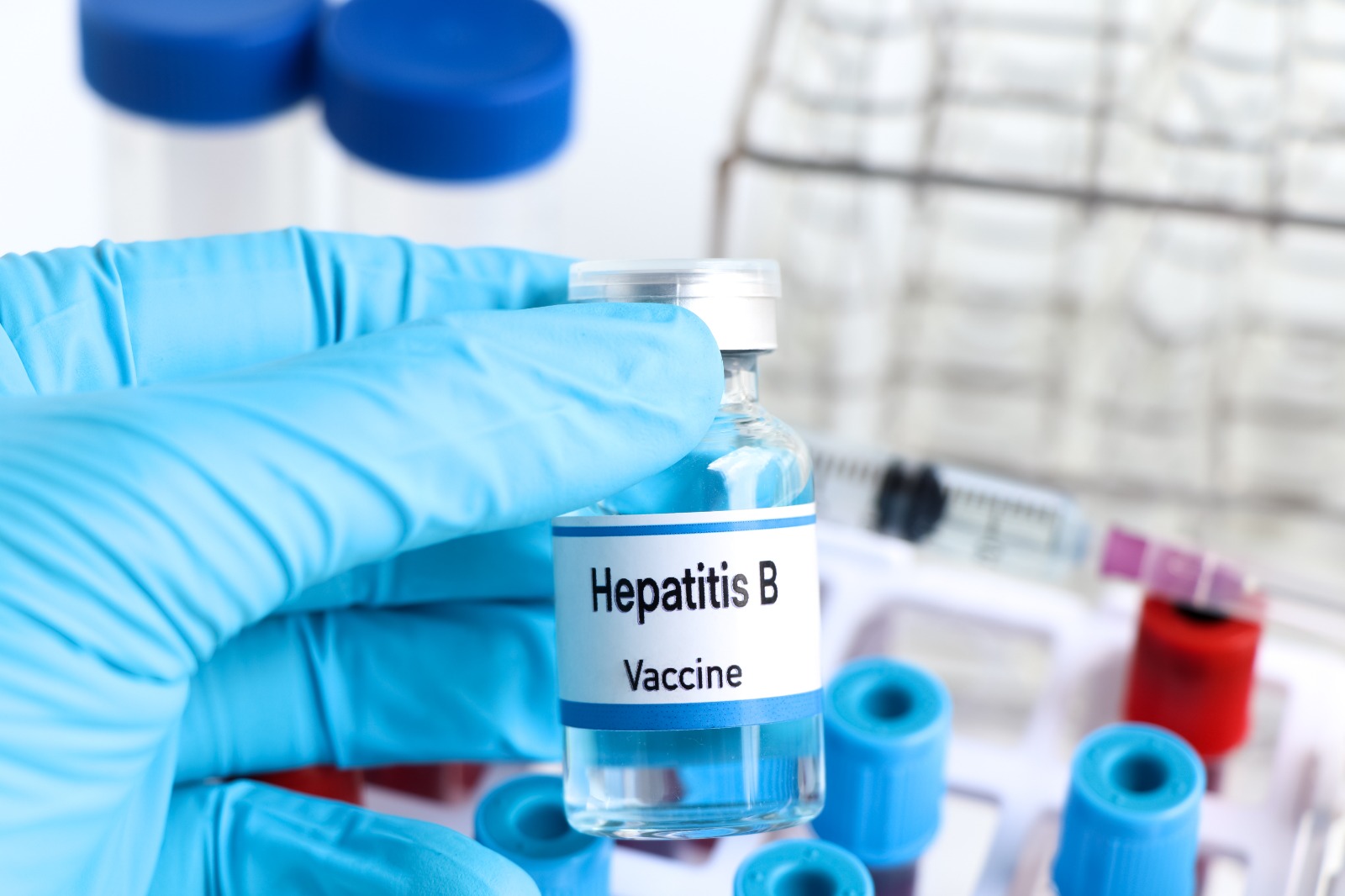
KUALA LUMPUR, Dec 24 — Malaysia is maintaining universal hepatitis B birth dose vaccination, after the United States’ Centers for Disease Control and Prevention (CDC) officially abandoned the policy last week.
Malaysia’s Ministry of Health (MOH) said hepatitis B vaccination for newborns was in line with recommendations by the World Health Organization (WHO).
“The administration of the hepatitis B birth dose within 24 hours after birth is critically important in preventing the transmission of the Hepatitis B virus from mother to child,” said the MOH in a statement today.
“Hepatitis B infection acquired early in life carries a high risk of progressing to chronic infection, which may subsequently lead to liver cirrhosis and liver cancer in adulthood.
“The implementation of the hepatitis B birth dose vaccination in Malaysia has proven effective since 1989 in reducing the rate of hepatitis B infection among children and has contributed to long-term health protection for the population.
“This measure is also consistent with the global commitment to achieve the target of eliminating hepatitis B as a public health threat by the year 2030.”
Last December 16, the US CDC adopted a recommendation by its Advisory Committee on Immunization Practices (ACIP) to end a 34-year-old advisory for the universal birth dose of the hepatitis B vaccine in a shift to individual decision-making instead.
CNN reported that the CDC will now recommend shared decision-making with health care providers for mothers who test negative for the virus and are deciding when to have their children vaccinated against hepatitis B, including at birth. If the vaccine isn’t given at birth, they suggest waiting until a child is at least two months old.
Members of ACIP were reportedly handpicked by US Health and Human Services Secretary Robert F. Kennedy Jr after he removed all 17 previous members earlier this year.
The American Academy of Pediatrics (AAP) said the CDC’s decision would lead to more hepatitis B infections in infants and children, as the AAP maintained its recommendation to give newborns a dose of hepatitis B vaccine within 24 hours of birth, with additional doses at one to two months and six to 18 months.
“The MOH reiterates that national immunisation policy decisions are based on scientific evidence, local and global epidemiological data, and expert opinions,” said the MOH.
“Any changes to this policy will only be considered if there is strong evidence and international consensus to support such changes.
“In this regard, the MOH reminds all parents and guardians to ensure that their babies receive the hepatitis B birth dose vaccination according to the prescribed schedule, in order to protect children from vaccine-preventable infections.
“The MOH will continue to monitor the hepatitis B situation in the country and ensure that the implementation of the National Immunisation Programme (NIP) remains safe, effective, and evidence-based.”


