

KUALA LUMPUR, Nov 24 — Medical experts have called for multidisciplinary management of cardiorenal metabolic (CRM) syndrome that they say is more cost-effective than treating each disease separately.
CRM syndrome is a constellation of heart, kidney, and metabolic conditions that has a compounded effect on patients and worsens clinical outcomes by multi-fold, with a reported exponential rise in mortality and morbidity.
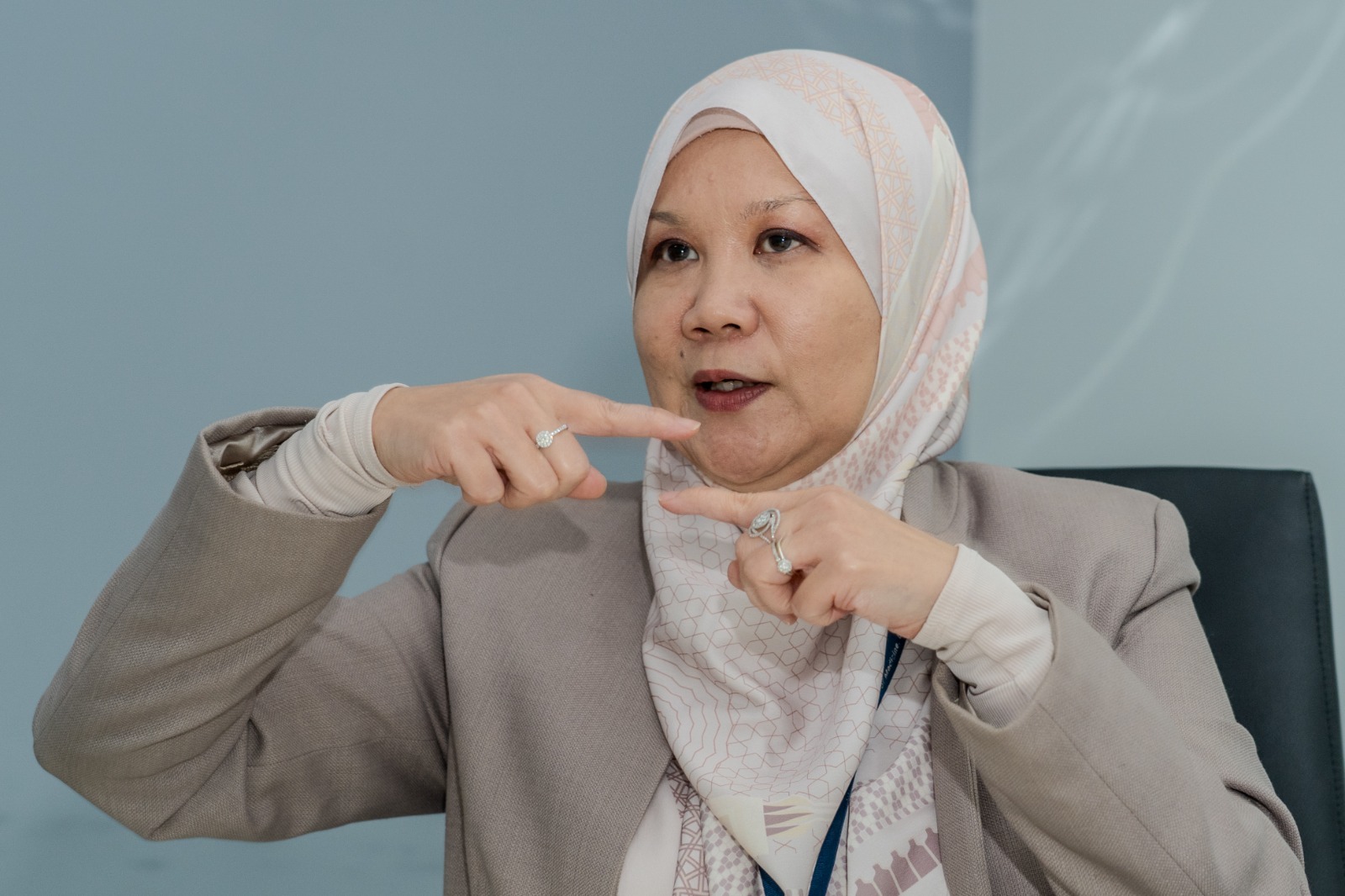
“It is far more cost-effective to treat a patient as having CRM syndrome rather than separate diseases, as we can avoid duplicated tests (blood, radiological etc.), avoid duplicated treatments, and prevent costly complications such as dialysis and heart failure.
“Early integrated care could potentially provide significant economic benefits for the future,” Prof Dr Rohana Abdul Ghani, senior consultant endocrinologist at Al-Sultan Abdullah UiTM Hospital (HASA), told CodeBlue.
Tackling CRM syndrome translates into better patient outcomes too.
“Appropriate treatment of tackling all the risk factors will slow disease progression, reduce hospitalisations and deaths, and preserve quality of life. Modern therapies that demonstrate additional protection on multiple target organs reduce morbidity as well as mortality,” said Dr Rohana.
She told health care providers (HCPs) that recognising CRM syndrome as one integrated condition would change the way they think and how they treat, saying that clinicians should be able to treat obesity, diabetes, hypertension, hyperlipidaemia, as well as heart, liver, and kidney diseases, with overlapping diagnostic criteria and interventional strategies.
“Dietary changes and behavioural modification are the fundamental aspects of all these conditions, as well as CRM, followed by similar pharmacotherapies and surgical intervention, which pivots around weight loss.”
The endocrinologist stressed that CRM should not be managed in silos. Some public hospitals, she noted, have the advantage of multidisciplinary teams with endocrinologists, cardiologists, nephrologists, and dietitians.
“This coordinated model is ideal,” said Dr Rohana.
“However, any hospital, including private medical centres, could incorporate trained HCPs and allied care professionals from various disciplines, ensuring adequate prescriptions of dietary intervention, physical activity and access to effective new treatments.
“The real opportunity and strategy should be to bridge both systems so that all Malaysians could benefit from patient-centred comprehensive care.”
Prof Emeritus Dr Chan Siew Pheng, a senior consultant endocrinologist at Subang Jaya Medical Centre (SJMC), stressed that CRM syndrome can be successfully managed in all health care facilities that have the relevant specialties.
“It is not the domain of any specific hospital type, be it public or private,” she told CodeBlue. “The most important is that the patient’s problems are appropriately identified and advice given.”
Dr Chan explained that managing CRM syndrome as one condition is a concept that allows physicians to identify multiple comorbidities in one patient, but it’s not absolutely necessary for that patient to consult all specialists.
The endocrinologist cited, as an example, a patient with a predominant problem of controlling diabetes who would primarily be consulting her. Dr Chan said she was capable of managing metabolic dysfunction-associated steatotic liver disease (MASLD), hypertension, hyperlipidaemia, and stable heart disease without needing to refer to other specialists.
“It is only if they develop any complaints suggestive of a new cardiac issue that they will then be referred to a cardiologist. Similarly, a patient with a primary heart problem can have their diabetes managed by the cardiologist, only being referred over if they experience difficulty in managing the diabetes.”
Dr Chan disputed the notion of treating a patient as CRM syndrome, rather than tackling specific conditions.
“The key to successful patient outcomes is that all specialties are aware of the presence of comorbidities that are the constellation of CRM and that all these are appropriately managed in whatever systems.”
Holistic Management of CRM Improves Clinical Outcomes, Reduces Long-Term Health Care Costs
Like Dr Rohana, Dr Raja Ezman Faridz Raja Shariff, a consultant cardiologist, internal medicine physician, and head of the cardiology unit at HASA, said it was more financially effective to treat CRM syndrome holistically.
“In this day and age, we benefit from having evidence-based therapies that can be used to treat various components that constitute CRM syndrome concurrently. For example, knowing that someone has both diabetes and chronic kidney disease (CKD) would mean favouring the use of certain therapies like SGLT2 inhibitors or nsMRAs, as opposed to treatments with less evidence in such cases such as sulphonylureas or dipeptidyl peptidase-4 (DPP4) inhibitors.
“In fact, this has largely been reflected in major guidelines already.”
However, Dr Raja Ezman Faridz acknowledged the steep prices of some of these medications, as he called for better partnership between government and industry players to ensure that important treatments are available to all strata of society.
Health Minister Dzulkefly Ahmad told reporters last month that Budget 2026 allocated an additional RM21 million from sugar-sweetened beverage (SSB) tax revenue for the procurement of SGLT2 inhibitors to treat kidney disease and diabetes.
Dr Raja Ezman Faridz also urged health care providers to view CRM or CKM (cardio-kidney-metabolic) syndrome as a single entity, especially in the management of prevention of the syndrome.
“Thinking of managing the conditions beyond that of glycaemic or blood pressure control and employing evidence-based pharmacotherapy that treats key components in CRM syndrome remains key,” he said.
“Shifting resources and services to cater for holistic care of CRM syndrome is also pivotal, as we know that biased management of one component will not impact the management of other components in the syndrome.
“Furthermore, viewing these conditions as a constellation also emphasises that they can all be prevented together as a group as they often share a root cause. The current evidence points towards development of CRM syndrome due to worsening adiposity (i.e., presence of body fat) specifically surrounding key bodily organs (i.e., visceral adiposity) and insulin resistance, and screening and prevention of the development of both remains key in halting the ‘CRM syndrome’ tsunami.”
The cardiologist believes that CRM syndrome can be managed well regardless of clinical setting, saying that private health care services can choose to allocate appropriate resources and services to tackle the condition that would also be in their best interest.
He noted that while multidisciplinary care teams tend to be more established in the public sector, a pivotal portion of care provision, namely screening and prevention, is rather poor in government hospitals that are burdened with having to “put out fires” following the development of CRM syndrome.
“This is where private health care services can play an important role as screening and prevention in communities can be, to a certain extent, outsourced to them. Such public-private partnerships would, in my opinion, be more essential as opposed to the current arrangements in existence.”
Dr Raja Edzman Faridz said holistic management of CRM syndrome not only improves clinical outcomes but also reduces long-term health care financial costs to patients and hospitals.

NP-MY-100149


