

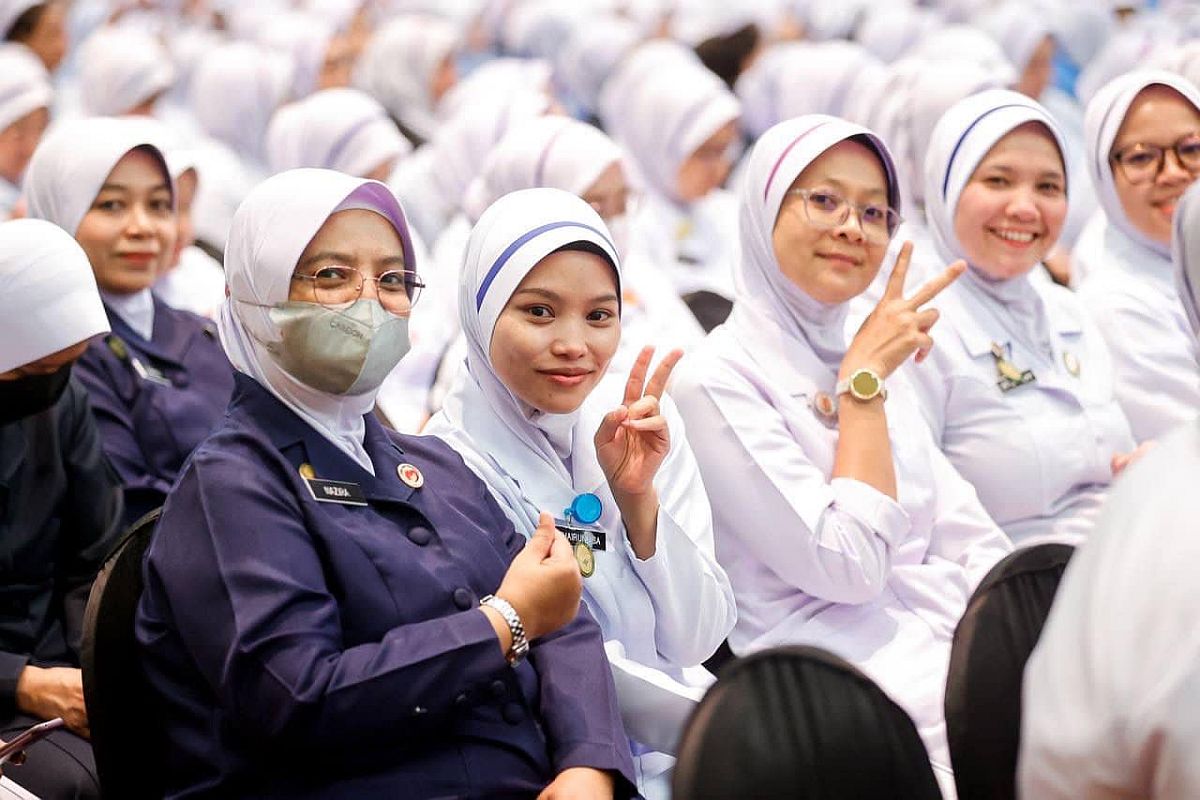
In Malaysia’s health care ecosystem, student nurses and health care trainees often go unseen—present in every ward, quietly learning, contributing, and adapting under pressure.
Yet, while they are expected to care, many receive little care in return. If we truly believe health care is a human right, then we must also recognise the rights of those being trained to uphold it.
These young professionals-in-training are not passive observers. They are future frontliners, embedded in real clinical settings, gaining hands-on experience often under high emotional and physical strain.
They balance coursework with exhausting shifts. They face trauma, death, and emergencies while still finding their professional footing. But too often, they are treated as burdens, not budding caregivers.
A 2022 survey by the Malaysian Nurses Association found that over 60 per cent of student nurses felt emotionally unsupported during their clinical placements.
This should raise red flags. How can we expect to build a compassionate, resilient health system when we fail to nurture its future workforce?
In some hospitals, student nurses report being excluded from learning opportunities, scolded rather than guided, or assigned menial tasks without mentorship.
Certain patients refuse care from them, unaware they are supervised, safe, and part of the care team. These environments, where learning is replaced with humiliation or neglect, actively undermine the development of competent, confident professionals.
Let us be clear: this is not a matter of convenience—it’s a matter of policy, ethics, and sustainability. Practical placements are a cornerstone of health care education, shaping both the technical competence and moral compass of future caregivers.
When student nurses are treated with dignity, they are more likely to deliver care with dignity.
Respecting student nurses is not optional if we want a health care system that works—for all. A just, rights-based health system doesn’t just treat patients with compassion.
It builds compassion into every level of the system, including how we train, mentor, and treat those learning the craft of care.
It’s time for the public, policymakers, and health institutions to see student health care workers as vital contributors to Malaysia’s health future.
Investing in their well-being is not just a moral imperative—it’s a strategic move toward a more equitable, people-centered health system.
Because the right to health is only as strong as those who are empowered to deliver it.
Sri Ameera Abdul Rahim is from the School of Nursing, Sunway University.
- This is the personal opinion of the writer or publication and does not necessarily represent the views of CodeBlue.


