

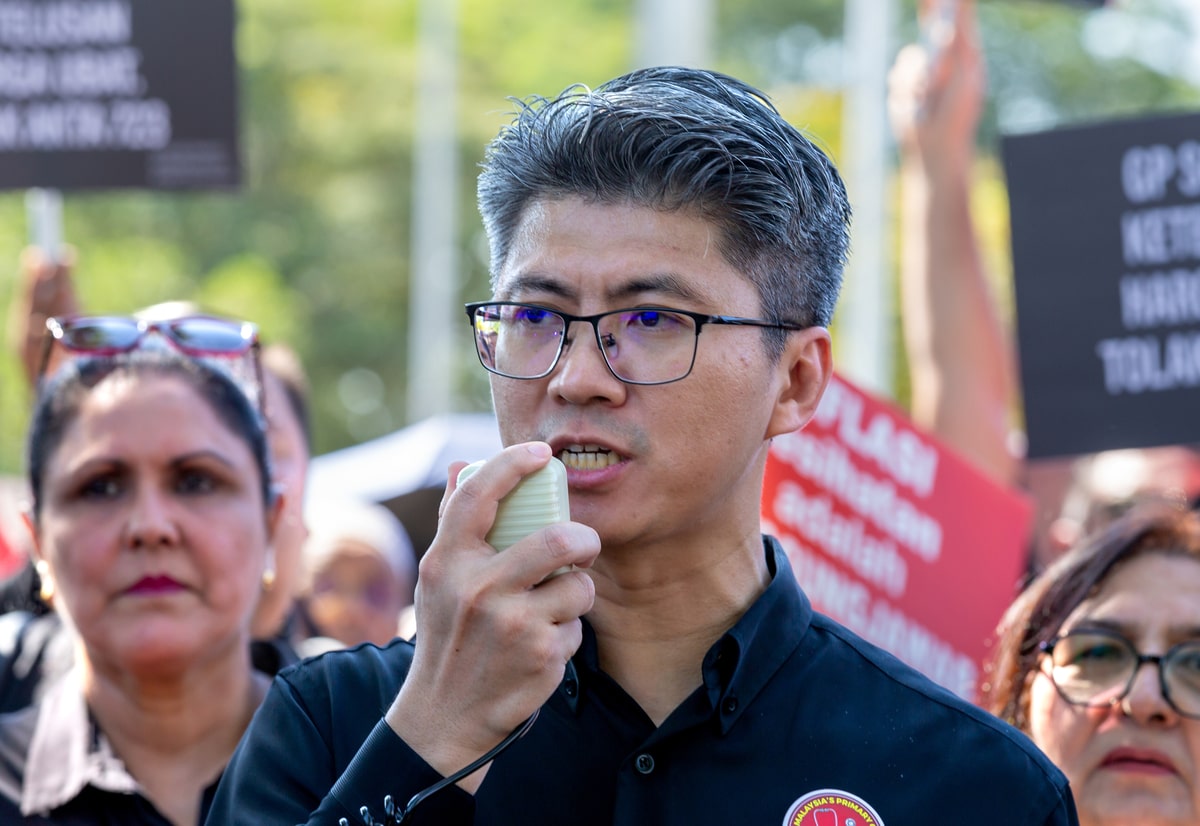
KUALA LUMPUR, June 9 — The Medical Practitioners Coalition Association of Malaysia (MPCAM) has proposed raising private general practitioner (GP) consultation fees to a range of minimum RM50 to maximum RM80.
MPCAM said medical associations previously proposed a GP consultation fee floor of RM60 without a ceiling “to reflect the actual cost of providing professional care and ensure clinic viability.”
Health Minister Dzulkefly Ahmad then proposed a lower floor of RM55 during a National Cost of Living Action Council (Naccol) meeting chaired by Prime Minister Anwar Ibrahim, according to MPCAM.
But Naccol reportedly did not make a decision even on this lower rate. The matter was referred to a technical committee chaired by Deputy Prime Minister Ahmad Zahid Hamidi instead, claimed the doctors’ group.
“As a transitional and practical solution, we support the introduction of a fee range of RM50 to RM80, with a formal review mechanism every three years. This ensures flexibility, fairness, and sustainability without burdening the public,” MPCAM president Dr Soo Tai Kang said in a statement today.
GPs’ consultation fees have stagnated at RM10 to RM35 for more than three decades since 1992, described by MPCAM as “outdated and financially unsustainable amidst rising operational and compliance costs.”
MPCAM strongly opposed full deregulation of GPs’ consultation fees without a floor rate, as this will give “unchecked leverage” to dominant corporate payers, particularly in urban areas where 80 per cent of GP clinics operate and rely heavily on panel patients.
“This creates a race to the bottom in pricing, threatening the survival of clinics and the quality of care,” said Dr Soo.
Many GP clinics, according to MPCAM, are tied to panel arrangements with government-linked companies (GLCs), banks, multinational corporations (MNCs), and insurers via third-party administrators (TPAs).
The doctors’ group accused TPAs of imposing administrative deductions of up to 15 per cent, enforcing non-negotiable and unrealistic medication pricing, and payment delays that cause cash flow stress on clinics.
“Approximately 70 per cent of patients in urban and semi-urban clinics come from these corporate panels. Clinics are effectively subsidising corporate health care under increasingly untenable terms.”

MPCAM stressed that a patient’s total bill at a GP clinic will still remain the same even if the doctor’s consultation fee is increased, as the GP will then reduce charges for medication.
“Only the consultation fee component is rebalanced to reflect the professional value of GP services, reducing reliance on medication mark-ups,” said the doctors’ group.
“This estimate is based on typical cases of simple acute illnesses — such as fever, cough, flu, or mild bacterial infections — commonly managed in GP clinics located in urban areas. These scenarios typically involve consultation and four medications, including generic antibiotics, reflecting a realistic cost structure in private primary care.”
Dr Soo said Malaysian GPs operate in a highly competitive environment, especially in urban and semi-urban areas, as there are more than 11,000 registered clinics, with over 4,000 new clinics having opened in just the last four years.
“GPs understand patient sensitivities. In most cases, they serve families and long-term patients who value affordability and continuity of care. In this red ocean landscape, even with a revised consultation fee, total charges remain stable, adjusted within the bundled model.”
Private GP clinics in Malaysia have operated for decades using a bundled pricing model, combining consultation, investigations, procedures, and medication into a single fee.
However, the government mandated drug price display on May 1, requiring private health care facilities and community pharmacies to display the retail prices of medicines – essentially forcing primary care clinics to unbundle their services.
Dzulkefly previously promised to raise GPs’ consultation fees before mandating price transparency. Then he promised doctors that their fee review would be implemented in early June.
MPCAM pointed out that rising health care costs in Malaysia are largely driven by secondary and tertiary care, rather than primary care.
“GPs play a key preventive role — managing diseases early, reducing avoidable hospital admissions, and ultimately saving long-term costs. Penalising the primary care sector to contain overall inflation is not only inaccurate but counterproductive,” Dr Soo said.
“General practitioners have not caused health inflation. We have protected the rakyat from it.”


