

We have heard about the big hoo-ha in the Ministry of Health (MOH) regarding the implementation of Waktu Bekerja Berlainan (WBB), poor administrative management, insufficient staff, etc.
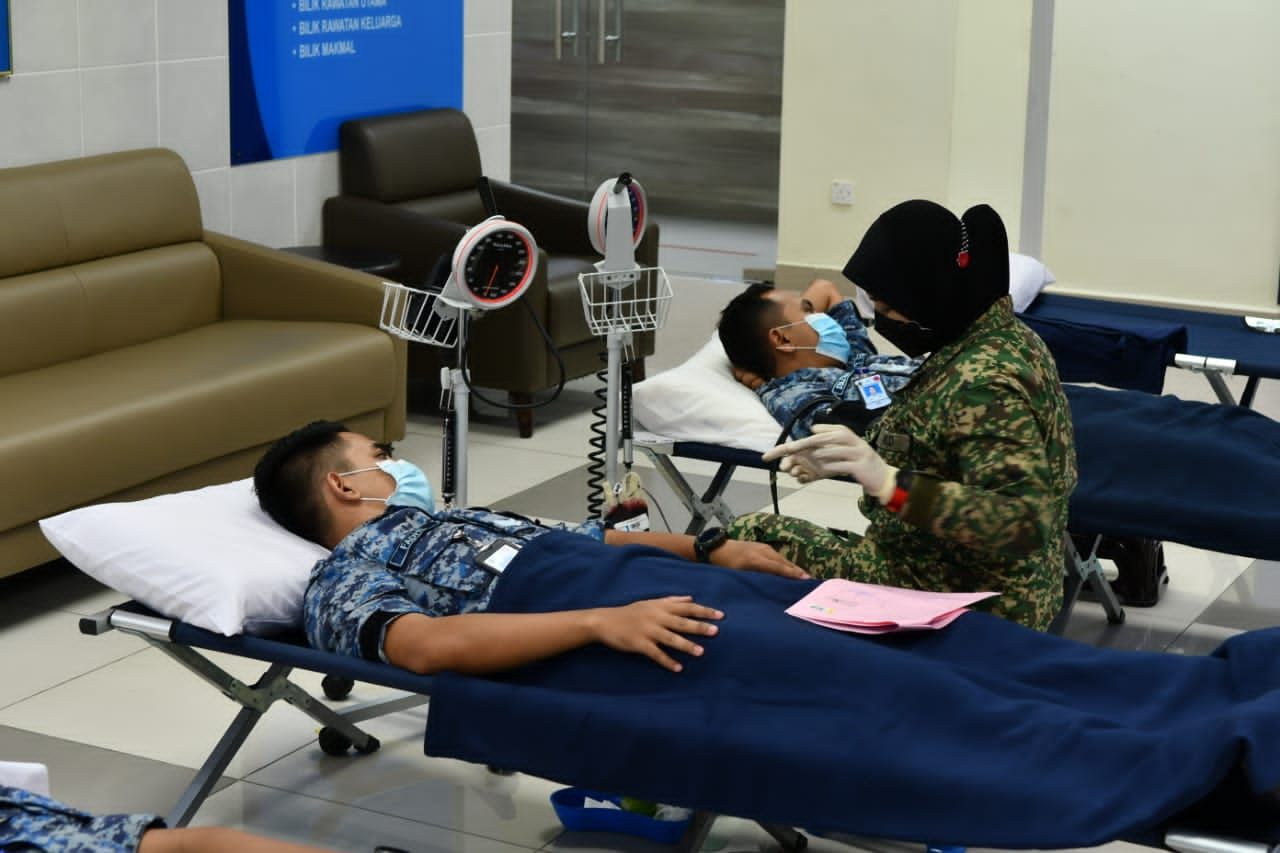
However, hospitals run by other ministries are also suffering less publicised hiccups. I am writing as a clinician in a hospital operated by the Ministry of Defence (Mindef). For your information, we have five hospitals run by Mindef, but only two are running at full capacity as tertiary centres.
It was once known that any patient treated in a Malaysian military hospital would receive the best ever treatment in the country as a form of gratitude to servicemen who sacrificed to serve the nation.
As a son to a parent who served the nation, I am very proud of the service that led me to join the Armed Forces to give back to the nation. However, in the past five to 10 years, health services in military hospitals have been worsening year after year.
The current manpower situation in my military hospital has reached a critical level. This includes nurses, medical officers, and clinical specialists. The critical shortage of health personnel may jeopardise patient care and safety.
There have been occasions when only one or two staff nurses were on duty to care for a whole ward with more than 20 patients. This may risk a patient’s treatment and care. There are times when the taking of a vital sign or the act of dispensing medication is delayed due to a limited number of nurses.
The situation of medical officers (MO) and clinical specialists is not much different either. Medical officers need to perform general MO duty in the hospital, whereby they need to manage all the departments in the hospital, which include outpatient, emergency, medical, surgical, orthopaedic, obstetrics and gynaecology (O&G), and paediatrics.
The condition gets worse on weekends and public holidays, where only two MOs will run the whole hospital and manage the emergency department, in addition to the wards. Clinical specialists are also fewer in number than hospital MOs. Some specialists need to be on call for 15 to 30 days a month.
As a clinical superior in the hospital, this clinical specialist will sometimes help out the MOs in the hospital to reduce their burden, but most clinical specialists do not have a departmental MO and hence need to work alone.
With this heavy workload, our sacrifice is not well-appreciated, as the administration will only pay us a maximum of 14 days, whereby the remaining days that we are on call is basically us working for free.
Overwork and underappreciation will burn out both the MO and the clinical specialist, and will reduce their morale and affect their ability to give their best for a patient’s treatment.
Why is there so much shortage of manpower in the system? We can see that for the past few years, more people have been leaving the service compared to the intakes. This is because the administration does not have a sense of concern towards our health care providers.
For instance, many army staff nurses opted not to continue their service after completing 20 years of service, the reason being because there is much difficulty to advance their career in pay grade and ranks, as the administration creates many unrealistic hurdles for them to advance, compared to other military personnel in other services under Mindef.
Besides that, the workload carried by nurses, which is overwork due to lack of manpower, also contributes to their decision to leave the service.
With heavy workloads imposed on health care workers, we MOs and clinical specialists feel that we are not appreciated by the administration for our hard work.
Things are looking bleak for our MOs, where they do not see any future in the service, as there are no plans to be offer them any specialty programme, even though they have served for the past 10 years.
Some MOs do take their own initiative to pursue their specialty via the parallel pathway, but the administration does not recognise this pathway and refuses to accept and support them to complete their specialisation studies.
The same fate is also faced by clinical specialists, who are not offered to further their sub-specialisation as they have been told there is no requirement in the service.
With this type of attitude displayed by the administration, more MOs and clinical specialists will leave the service upon completing the mandatory service years.
However, the administration does not allow us medical doctors to resign or retire earlier, as we’re told that our service is needed. We are forced to continue our service even though some of us do not have the heart to serve any longer, as we need the approval from the higher administration if we want to resign.
In view of the lack of morale and burnout syndrome, health care providers will just expend minimum effort for the treatment of patients.
Another problem that we doctors are facing is that all the medical equipment and consumables are decided by the main administration, instead of us as the end users.
Equipment and consumables have been bought multiple times without consultation with end users, and not following the specifications we need. Hence, we have refused to use them, leading to wastage, and some clinics will use them despite the risk to patients.
Lastly, as clinicians, we do have our own way of management and we do discuss with our peers regarding the treatment of patients. However, our system is different.
The director-general of the Health Service interferes with our treatment of patients. Any comment or judgment from us clinicians, which do not follow his method of treatment, will be dismissed.
In my opinion, as the director-general of the Health Service in the Armed Forces, he needs to regulate and facilitate communication among clinicians in the best interests of the patient, as he himself is not a specialist in any particular clinical field.
This type of attitude from the head of service himself will reduce morale among medical staff in the service.
I always think that a good leader will lead their soldiers to victory, but a bad leader will bring a country to disaster. I really do hope something will change after voicing my opinion for the benefit of our patients.
The author is an anonymous doctor at a military hospital under Mindef.
- This is the personal opinion of the writer or publication and does not necessarily represent the views of CodeBlue.


