


I was walking down from my quarters at Ibnu Sina Residential College, Universiti Malaya (UM), where I was a hostel warden while completing my orthopaedic surgery training. That’s when I saw the sign on the sundry shop:
“Closed for MCO – 18 March 2020”
I thought to myself, this will probably last two weeks, and then we’ll all laugh at ourselves for overreacting to a virus.
How wrong I was.
My in-campus orthopaedic surgery training spanned from 2019 to 2021, with much of it unfolding during the Covid-19 pandemic. I remember clearly crossing roadblocks with the “Petugas Kesihatan” sign, making sure face shields, hair covers, shoe covers were worn at all times, and getting drenched in sweat just from dressing a patient’s wound.


A car packed with PPE for distribution to health care centres (left) and delivering mineral water to Kuala Lumpur Hospital’s emergency department (right). Photos courtesy of Dr Timothy Cheng.
By the grace of God, I completed my training as an orthopaedic surgeon during the pandemic, even as it affected our exams — we had to be split into different examination centres according to region.
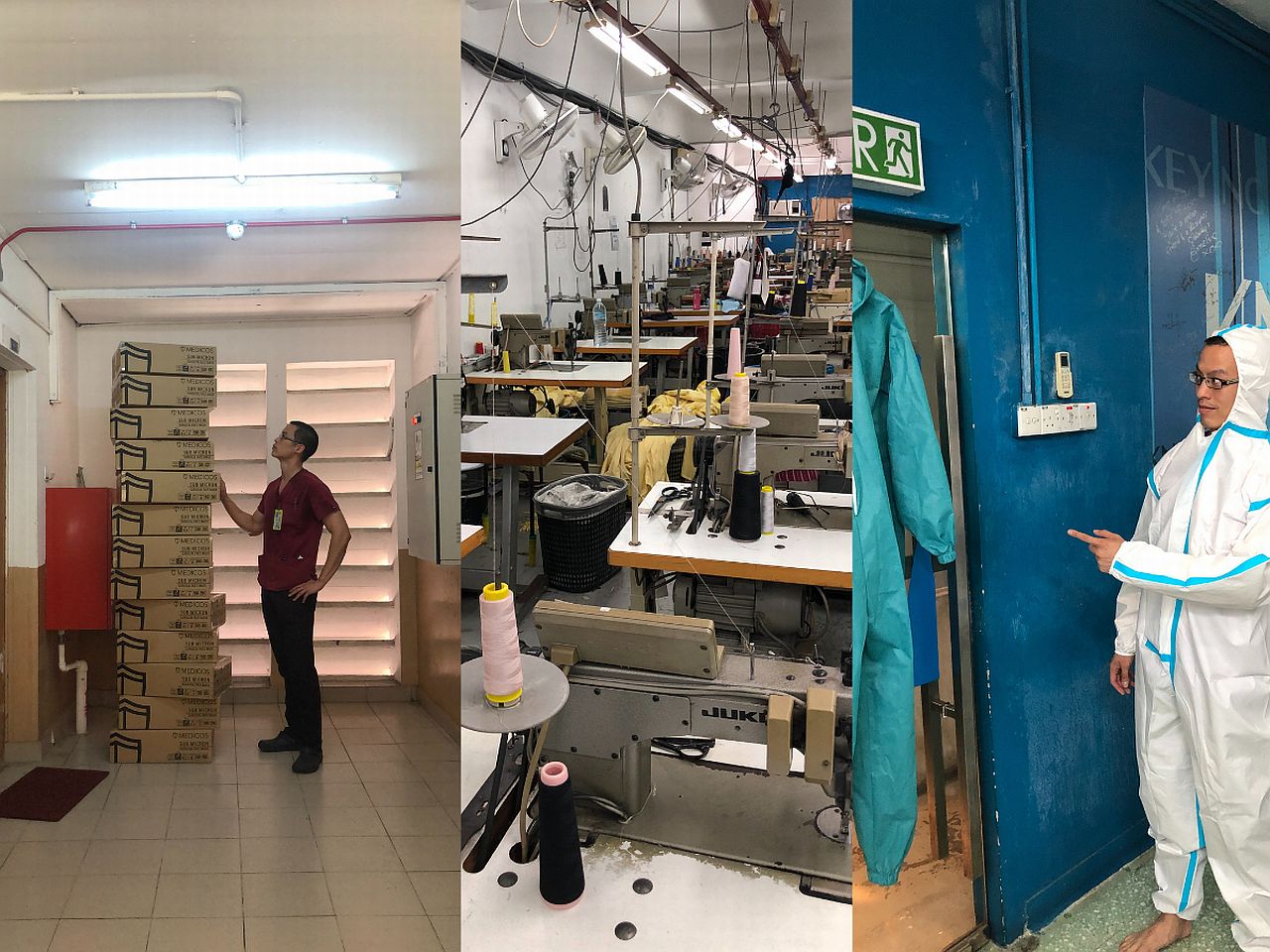
Beyond my clinical duties, I had the privilege of crowdfunding and coordinating PPE collection, testing PPE testing for quality, and managing an entire hostel of medical students — from handling daily MCO life to escorting them back home safely.
PPE: Crowdfunding And Coordination

Crowdfunding started via social media at a time when one box of Medicos masks cost RM75. After a quick visit to the Medicos factory, we secured about RM20,000 worth of masks to donate and distribute to clinics and small hospitals.
Why Medicos? As far as I knew, they were the only brand with ASTM grading and we wanted to be sure of the quality.
The initial period was the busiest, with people reaching out to donate gloves, hand sanitizers, and PPEs. In just the first two weeks, we collected and distributed: 1,200 bottles of 600ml mineral water, 50 litres of hand sanitizer, 10,000 pieces of gloves, 11,000 pieces of face masks, 2,740 pieces of N95 masks, 2,206 face shields, 2,000 shoe covers, and 150 coveralls.
I met You Jing through a friend, and with his expertise, created an online PPE portal for the whole country. The dashboard allowed donors to identify centres in need, distribute PPE accordingly, and mark donations to prevent oversupply, giving a clearer picture of real needs on the ground.

A company called Fibertex Personal Care generously donated medical-grade fabric. A quick trip to Nilai secured a roll of it, which was handed to the Satu Hati Berjuang group. They produced approximately 1,600 gowns, 1,800 hood covers, and 80 pairs of boot covers.
We managed to distribute PPE to various health care centres before I left UM to return to Sabah as an orthopaedic surgeon:
- Klinik Kesihatan: Kuang, Rawang, Sg Chua Kajang, Puchong, Serendah, Sentul, AU2, Seri Kembangan, KL, Jinjang, Bukit Kuda, Bandar Botanic, Gombak Setia, Mediviron (Giant Puchong), Rizq Cyberjaya, Semenyih, Pandamaran, Tanglin, RUKA PPUM.
- Pejabat Kesihatan Daerah (PKD): Lembah Pantai, Petaling, Hulu Selangor, Gombak.
- Hospitals: Kuala Lumpur, Banting, Klang, Shah Alam, Serdang, Selayang, Ampang, Sg Buloh, UMMC, Sandakan, Lahad Datu, Tawau, Queen Elizabeth.
- Others: Pusat Koreksional Puncak Alam (Jabatan Penjara Malaysia), Teddy Clinic.
One key lesson from these distribution trips: the backbone of our pandemic response was the resilience of our health care workers on the ground. Allied health personnel, nurses, and doctors worked around the clock — pulling double shifts, skipping meals, and pushing aside exhaustion in the fight to keep the rakyat alive.
PPE Testing And Usage
During this time, I learned that NIOSH in Bangi offered free testing for N95 respirators and FFP (filtering face piece) standards in their Dust Mask Laboratory (DML).
Donated masks from various companies — except 3M — were sent for penetration testing to ensure only those that met the standard were used as respirators.
Many masks came from China, so user manuals had to be downloaded in Mandarin and translated to find their equivalent standards to our disposable face masks used locally. A PPE guideline summary was also made to simplify the multiple circulars issued by the Ministry of Health (MOH).
Most evenings were spent reviewing Covid-19 data, studying positivity rates, and reading up on the effectiveness of quarantines and movement control orders, which eventually led to this article.
Life As A Hostel Warden


Students gathered in the Dewan Tunku Canselor at Universiti Malaya before departing for their hometowns by bus, with strict distancing in place (left); Hostel Principal Prof Aizura (standing, centre), also a Professor in OBGYN, who stayed throughout to help coordinate students and logistics (right). Photos courtesy of Dr Timothy Cheng.
As a medical student hostel warden, I was responsible for enforcing social distancing at all times — during meals, sports, and gatherings.
I also had the “privilege” of being a shopper for the students, as wardens took turns buying groceries and other necessities based on a long and complicated shopping list.
Then came Ops Hantar Pulang. Towards the end of one of the Movement Control Orders (MCOs)/ Restriction Movement Orders (RMOs), we were tasked with escorting students back to their hometowns.
Social distancing was maintained every step of the way — from the main hall in UM to inside the buses, all the way to the respective state police stations.
Conclusion

The Covid-19 pandemic tested every aspect of our health care system, but it also revealed the unwavering resilience of those on the front lines. It wasn’t just about PPE shortages, grueling hours, or exhausting shifts — it was about the indomitable spirit of our health care workers, who refused to let the system collapse, even when it felt like a sinking ship.
Doctors, nurses, allied health personnel, and countless others sacrificed their time, comfort, and sometimes even their well-being to keep the rakyat safe. They endured long hours, double shifts, and the emotional burden of watching patients fight for their lives.
The world may have moved on, but we must never forget their sacrifices.
To every health care worker who fought through the storm — you were, and always will be, the backbone of this nation.
Thank you for keeping us afloat.
Dr Timothy Cheng is an orthopaedic surgeon. This article is part of a special CodeBlue series marking the fifth anniversary of the World Health Organization declaring Covid-19 as a global pandemic on March 11, 2020.
- This is the personal opinion of the writer or publication and does not necessarily represent the views of CodeBlue.


