

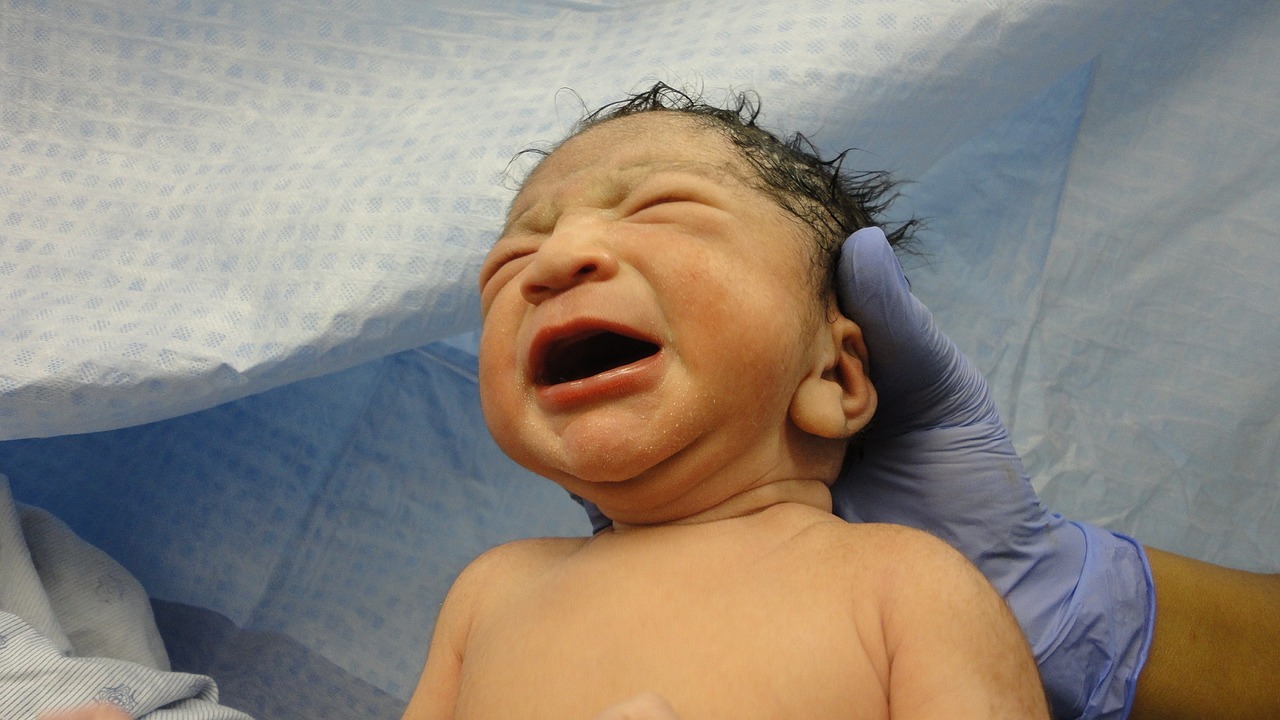
On January 9, 2019, M. Punitha Mohan, a 36-year-old mother, should have been embracing her newborn, surrounded by joy and love. Instead, she bled to death in a delivery room, abandoned by those entrusted with her care.
The doctors — seasoned professionals with decades of experience — failed her, leaving her in the hands of unregistered nurses while one of them stepped out for a drink. This was not just medical negligence; this was obstetric violence.
Obstetric violence is a form of gender-based violence that subjects pregnant and birthing individuals to mistreatment, neglect, and abuse in medical settings.
It is not an isolated issue, nor is it the fault of a few unethical practitioners. It is systemic — a reflection of a health care model built on patriarchal control, where women’s pain is dismissed, their bodies violated without consent, and their autonomy systematically stripped away.
M. Punitha’s death is not an anomaly; it is the consequence of a system that fails to see women as human beings first, rather than as passive recipients of care.
This is not new. More than 20 years ago, Kam Agong, a 44-year-old Indigenous woman from Sarawak, died from complications following a C-section in a district hospital. Her case remains a painful reminder of the deep inequalities in Malaysia’s maternal health care system.
The contradiction is glaring — Malaysia touts itself as having one of the “best health care systems in the world,” yet women, particularly those from marginalised communities, continue to die preventable deaths.
In Sabah, stateless mothers are coerced into giving up their newborns because they cannot afford exorbitant hospital fees, a practice disturbingly referred to as baby snatching.
During my master’s research in gender studies, I interviewed seven women about their experiences with obstetric violence. Their testimonies were not just distressing — they were horrifyingly common.
Six out of the seven typologies of Disrespect and Abuse (D&A) outlined by the World Health Organization (WHO) — physical abuse, non-consensual care, neglect, discrimination, and verbal abuse — were present.
Women described being ignored or dismissed when they pleaded for help or expressed concerns about their own bodies., subjected to degrading remarks, and forced into medical procedures without their consent.
The impact of this mistreatment extends beyond the delivery room. Many women suffer long-term physical complications, PTSD, and a profound erosion of trust in the health care system. Some now fear pregnancy — not because of childbirth itself, but because of how they were treated.
This is the lived reality of many women in Malaysia, shaped by a system that prioritizes efficiency over empathy and clinical targets over dignity.
Obstetric violence does not happen in a vacuum. It is reinforced by a culture that views women’s suffering as normal and inevitable, that tells them to endure pain rather than demand care.
It thrives within a health care system that overworks and under-supports its practitioners, leaving them burnt out, desensitised, and unable to provide the compassionate care that every patient deserves.
Change is not optional — it is urgent. We need a health care system that places women at the centre, ensuring they have full autonomy over their own bodies and decisions.
This means systemic reforms: clear policies that protect patient rights, accountability for medical professionals who violate them, and a shift towards trauma-informed, patient-centered care.
It also means supporting our health care workers — improving their working conditions, providing better mental health support, and prioritising training that fosters empathy, communication, and respect.
M. Punitha and Kam Agong deserved better. Every woman does. The question is not whether Malaysia has a good health care system on paper — it is whether that system truly serves the people who need it most.
A system that silences women, that prioritizes efficiency over dignity, is a system that must change.
Women are not vessels. We are not statistics. We are human beings who deserve to give birth safely, with respect, autonomy, and care.
Nadirah Babji is a feminist public health researcher specialising in gender, health care equity, and humanitarian response.
- This is the personal opinion of the writer or publication and does not necessarily represent the views of CodeBlue.


